Delhi EV Policy 2026 Explained: New Rules, EV Subsidies, Petrol Bike Ban, FAQs & Impact
-1.webp)
Delhi has taken another major step towards cleaner and greener transportation with the approval of the Delhi Electric Vehicle Policy 2.0 (2025–2030). The new policy replaces the earlier EV policy introduced in 2020 and aims to accelerate the adoption of electric vehicles across the national capital. With rising air pollution and increasing fuel prices, the government believes that electric mobility is one of the most effective ways to reduce emissions and improve air quality.
The policy introduces new rules for vehicle registrations, expands charging infrastructure, encourages the scrapping of old vehicles, and offers financial support to make EVs more affordable. If you are planning to buy a new vehicle, own a petrol or diesel vehicle, or simply want to know about Delhi EV Policy latest update and what the new policy means, this guide explains everything in simple language.
Delhi Electric Vehicle Policy
The Delhi EV Policy 2.0 is a roadmap prepared by the Delhi Government to promote electric vehicles between 2025 and 2030. Its primary objective is to reduce pollution by replacing conventional petrol, diesel, and CNG vehicles with cleaner electric alternatives.
- The policy covers several categories of vehicles, including:
- Electric two-wheelers
- Electric cars
- Electric auto-rickshaws
- Electric goods carriers
- Commercial vehicles
- Public transport buses
Apart from promoting EV adoption in Delhi, the policy also focuses on expanding EV charging stations, supporting battery swapping, improving digital services, and encouraging investment in manufacturing and maintenance.
Why Was a New EV Policy Needed?
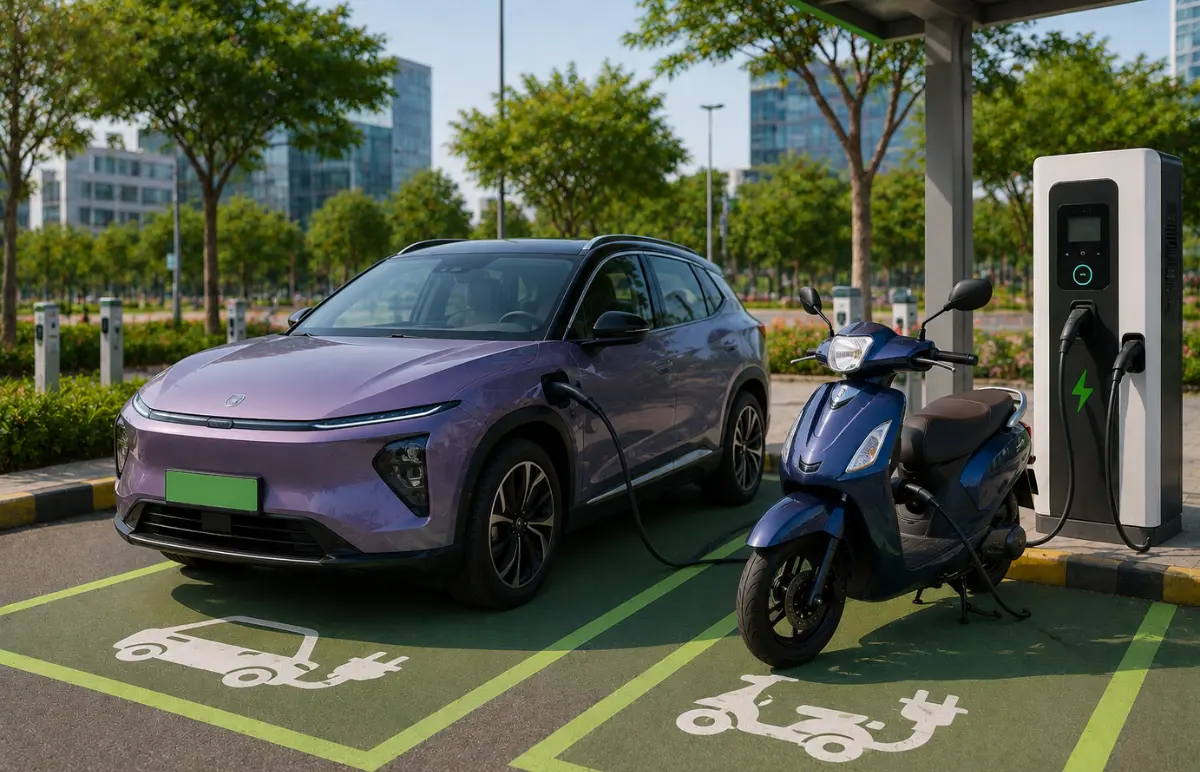
Delhi is one of the most polluted cities, and vehicle emissions are among the biggest contributors to poor air quality. While the 2020 EV policy helped increase EV adoption, the government believes a stronger and more comprehensive policy is needed to meet future environmental goals.
The new policy aims to:
- Reduce air pollution caused by vehicle emissions.
- Increase EV adoption in Delhi.
- Reduce dependence on petrol and diesel.
- Improve charging infrastructure across the city.
- Encourage the replacement of old and polluting vehicles.
- Support India's clean mobility and climate goals.
Announcing the policy, the Delhi Government said it aims to make the capital a leader in electric mobility while creating a cleaner and healthier environment for its residents.
Key Changes in the Delhi EV Policy 2.0
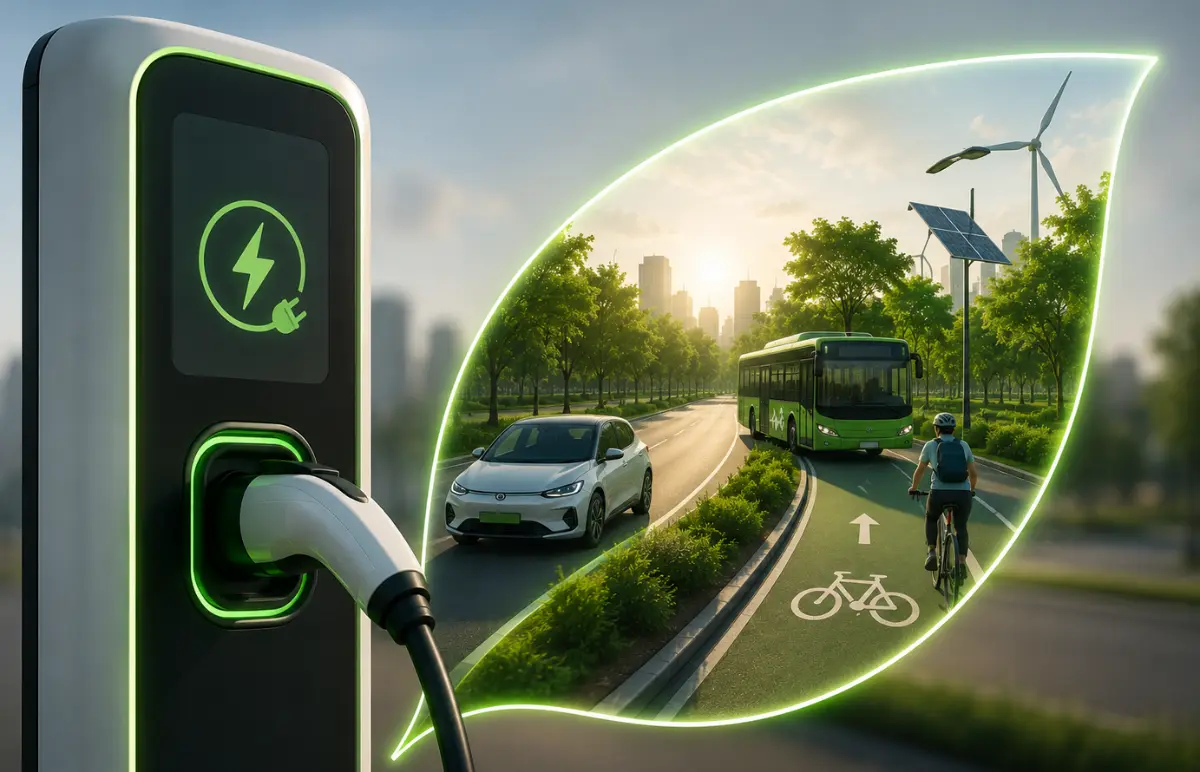
The latest policy introduces several important changes that will gradually transform the way people buy and use vehicles in Delhi.
1. Phasing Out New Petrol Two-Wheeler Registrations-
One of the biggest highlights of the Delhi EV Policy latest update is the proposed end of new petrol and CNG two-wheeler registrations from 1 April 2028. This means that after the notified date, people buying a new scooter or motorcycle in Delhi will largely be expected to choose an electric model.
However, it is important to understand that existing petrol and CNG two-wheelers are not being banned. If you already own a petrol scooter or bike, you can continue using it as long as it complies with the applicable registration, fitness, and pollution norms.
2. New Auto-Rickshaws Will Be Electric
The policy also introduces a major change for public transport. From 1 January 2027, only electric auto-rickshaws will be eligible for new registrations in Delhi. Existing CNG auto-rickshaws can continue operating according to current rules, but new permits will encourage a transition to electric vehicles. This step is expected to significantly reduce emissions from one of the city's most commonly used modes of transport.
3. More Support for Scrapping Old Vehicles
The government wants people to replace older, high-polluting vehicles with cleaner electric alternatives. To encourage this transition, the policy includes scrappage incentives for eligible vehicle owners. People who scrap old vehicles and purchase qualifying EVs may receive additional financial benefits, subject to government guidelines. The objective is not only to increase EV adoption but also to remove older vehicles that contribute more to pollution.
4. Expansion of Charging Infrastructure
A major concern for many people considering an EV is charging availability. To address this, the Delhi Government plans to install around 30,000 public charging points across the city during the policy period. These EV charging stations are expected to come up at locations such as:
- Metro stations
- Shopping malls
- Public parking areas
- Residential societies
- Office complexes
- Fuel stations
- Government buildings
The government believes that easy access to EV charging stations will encourage more people to switch to electric vehicles.
5. Better Digital Services
The new policy also focuses on improving transparency through digital systems. Applications for EV subsidies or incentives, verification of documents, and subsidy processing are expected to become more streamlined through online platforms. This will make it easier for citizens to apply for benefits and track the status of their applications.
Why the Delhi EV Policy Matters
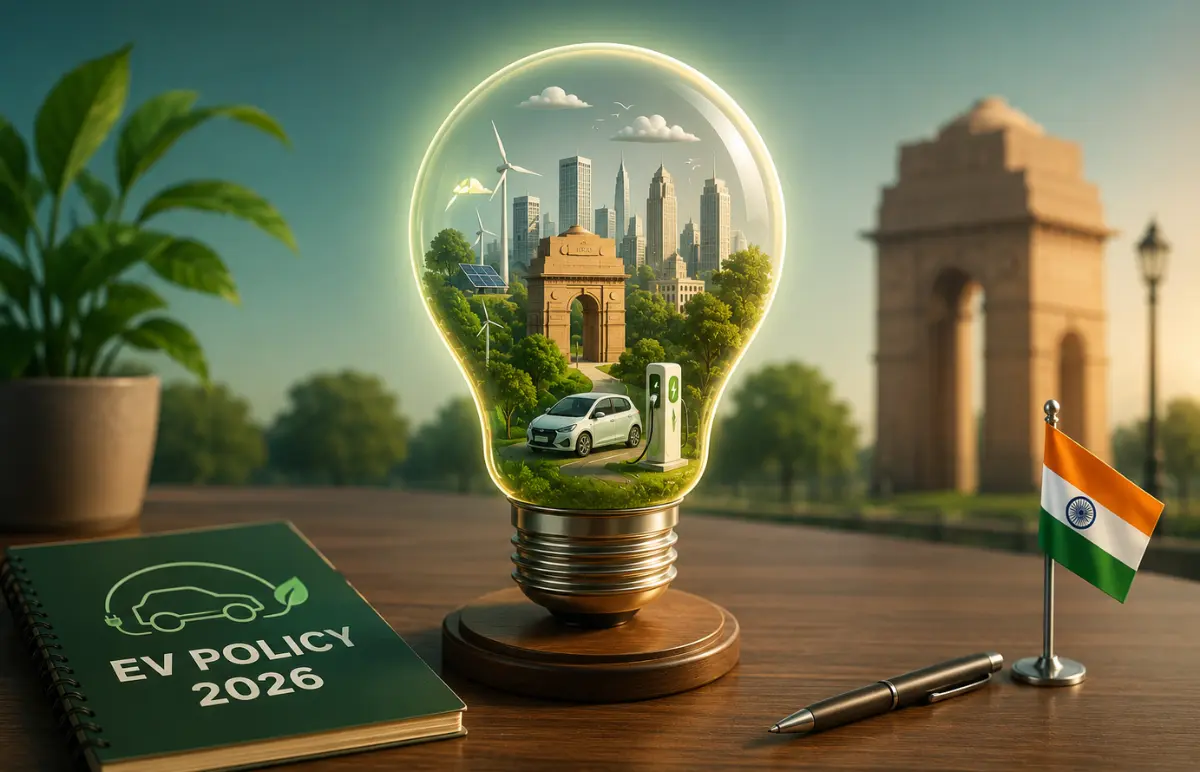
The Delhi EV Policy 2026 is designed to reduce vehicular pollution, promote cleaner transportation, and make electric vehicles more affordable for consumers. Along with encouraging EV adoption, the policy focuses on expanding charging infrastructure, supporting the replacement of older polluting vehicles, and strengthening Delhi's overall electric mobility ecosystem.
Announcing the policy, Chief Minister Rekha Gupta said, "The proposed Delhi EV Policy 2026 is aimed at making electric vehicles more affordable while reducing their lifetime ownership costs, positioning the transition to clean mobility as an economic benefit for consumers." The Delhi Government has also said that the policy aims to "accelerate electric vehicle (EV) adoption, improve air quality and strengthen the capital's electric mobility ecosystem."
Through these measures, the government hopes to make Delhi a leader in sustainable urban transportation while creating new opportunities for investment and employment.
Who Will Be Affected?
The new policy will impact different groups in different ways.
- Individual buyers planning to purchase a new scooter or motorcycle after 2028 may have to choose an electric vehicle instead of a petrol model.
- Auto-rickshaw drivers applying for new registrations from 2027 will need to opt for electric autos.
- Delivery companies and fleet operators are expected to increase the use of electric vehicles because they offer lower running costs and align with the government's clean mobility goals.
- Businesses and residential societies may also need to support EV adoption by installing charging facilities for employees and residents.
Financial Benefits and EV Infrastructure
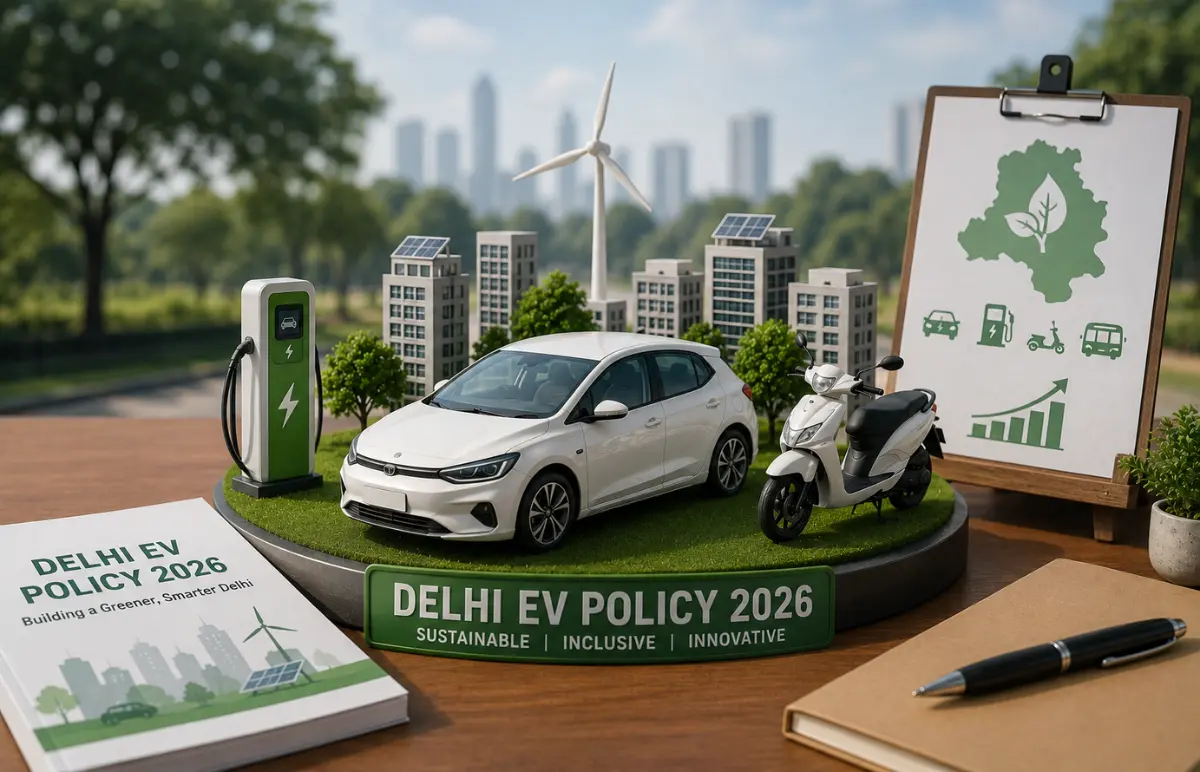
To encourage the adoption of electric vehicles, the Delhi EV Policy 2026 proposes financial support through purchase incentives, tax benefits, and scrappage incentives for eligible buyers. While the detailed incentive structure will be notified separately, the policy aims to make EV ownership more affordable and reduce the overall cost of switching from conventional vehicles. Electric vehicles also offer lower running and maintenance costs, making them a cost-effective option, especially for commercial users.
The policy also places strong emphasis on expanding Delhi's EV infrastructure. The government plans to install around 30,000 public charging points across the city and promote battery-swapping facilities to improve convenience for EV users. It also encourages private companies, vehicle manufacturers, and Resident Welfare Associations (RWAs) to help develop charging infrastructure, ensuring that charging and maintaining an EV becomes easier as adoption grows.
Challenges To be Faced in Future
Although the policy is ambitious, its success will depend on effective implementation. Some of the key challenges include:
- Expanding charging infrastructure quickly.
- Making EVs affordable for all income groups.
- Creating awareness about EV technology.
- Ensuring reliable electricity supply.
- Supporting battery recycling and disposal.
- Building consumer confidence regarding EV performance and resale value.
Addressing these challenges will be crucial for achieving the policy's long-term objectives.
Final Thoughts
The Delhi EV Policy 2.0 represents one of the most ambitious electric mobility initiatives undertaken by the Delhi Government. Instead of focusing only on subsidies, the policy adopts a broader approach that combines cleaner transportation, improved charging infrastructure, digital governance, and phased electrification of different vehicle categories.
For consumers, the policy offers the promise of lower running costs, better charging facilities, and a cleaner environment. For businesses, it opens new opportunities in manufacturing, charging infrastructure, battery services, and fleet electrification. Most importantly, it aims to improve Delhi's air quality by gradually reducing dependence on conventional fuel-powered vehicles.
While the transition to electric mobility will take time, the policy marks an important step towards a more sustainable transport system. As charging infrastructure expands and EV technology continues to improve, electric vehicles are expected to become an increasingly practical choice for both individuals and businesses.
-1.webp)