Electric Car Rental Vs Buying India | Which is more profitable in 2026?
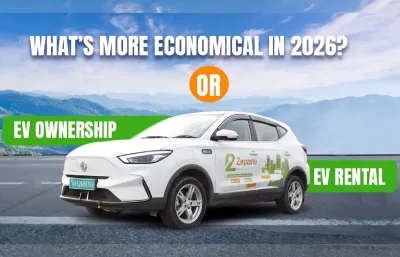
Have you ever thought of owning a highly advanced EV and bidding goodbye to expensive fuel pumps? As we move through 2026, choosing electric mobility is one of the smartest financial decisions. But before you invest in an EV, we need to ask some crucial questions: Is it actually better to buy an EV or renting it is the smarter choice?
Let’s understand the economics of owning an electric car so that you can invest your money smartly.
Reality of EV Ownership
PROS: Owning an EV comes with its own set of advantages. You get freedom of having a car with low running costs, and the thrill of a smooth driving experience that is not provided by conventional ICE cars. However, the real expense is not just the showroom price, as when you buy the car, you have to do a massive upfront investment.
CONS: This leads to a large deposit which involves years of heavy EMIs. But the biggest challenge in your overall profitability is the Battery Degradation. The battery is one of the core components of an EV and the replacement costs provide resale value risk.
Apart from this, one of the biggest hurdles is the rapid innovation, meaning your brand new EV model could be outdated in a couple of three to four years, and at the same time you will be bearing slightly higher insurance premiums and huge costs of installing home charging setup. All this makes the ownership look quite expensive.
The Smart Economics of EV Rental
What if you can enjoy all the benefits of an electric vehicle with zero financial burden. That exactly defines the EV rental services alone. If we are looking at it from an economic perspective, renting provides accessibility to owning an EV with zero upfront costs, which includes no massive loans and deposits, which gives you the freedom to invest your money anywhere.
EV Rental eradicates the fear of battery degradation because the rental company is responsible for long-term care and replacement of the battery. Additionally, maintenance, specialised repairs and insurance is entirely managed by the provider.
The users don’t have to pay for extra bills, just book a car and drive. It also gives you the flexibility to pay for the exact time you are using, rather than let a depreciating asset occupy your parking space. Renting also gives you early access to highly advanced models, so that you are not bound to stick with the outdated technology.
EV Ownership Vs EV Rental: Quick Breakdown
| Factor | EV Ownership | EV Rental |
| Initial Investment | High (Heavy Upfront Costs & Long Term EMIs) | Zero Upfront Costs |
| Battery Risk | High Degradation; High costs of replacement | None, managed by the company. |
| Maintenance & Insurance | High Premiums; Requires Specialised Technicians | Fully managed & covered by the provider. |
| Technology | Locked in the tech of the year you brought it | Continuous access to the latest EV models. |
| Best Suited For | High Daily Commutes (80-100 Km+), Keeping for 7 Years | Weekend Trips, occasional commutes, & corporate use. |
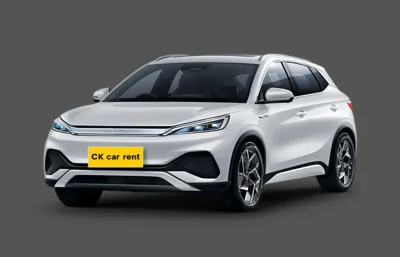
The Verdict
The future of mobility in 2026 is not just about ownership, it’s about smart financial decisions according to the demand. If you commute longer distances every single day, buying is still an ideal choice for you. But for modern city users looking for flexibility, affordability and completely hassle-free experience without the burden of EMIs, renting an EV in 2026 could be one of the best decisions made by you.