EV Charging Time Explained: How Long Does It Take to Charge an Electric Car?
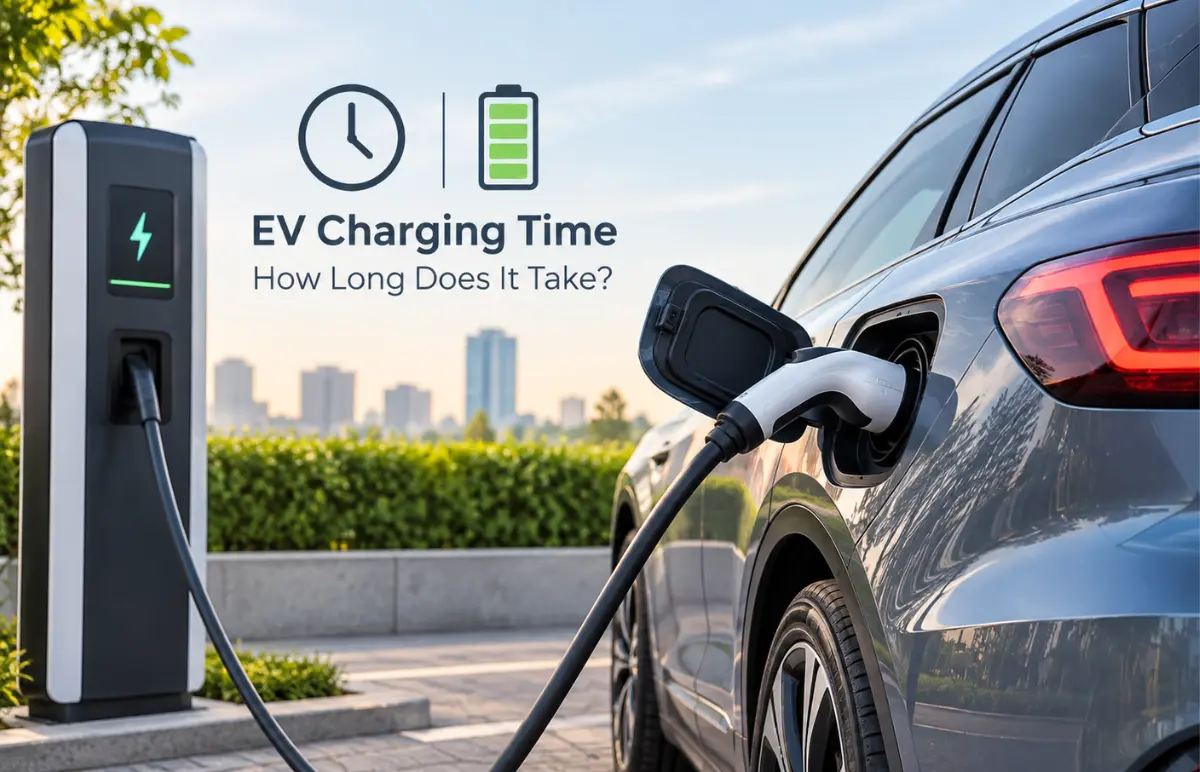
One of the first questions to arise when considering the purchase of an electric vehicle (EV) concerns the time it takes to charge the battery. From home AC charging to DC fast-charging, the time varies between a few hours and less than an hour. There is no standard EV charging time because several variables, including battery size, charger power, vehicle charging capacity, and battery percentage, influence the process.
Charging at home is usually the most convenient option for every-day driving since the EV can charge while you park. However, DC fast-charging is more useful in long-distance travel scenarios since it provides a considerable range boost in a short time. Considering this, we have drafted this detailed blog on EV Charging Time including various factors like, method of calculating charging time, AC vs DC Charging, and more.
How to Calculate EV Charging Time?
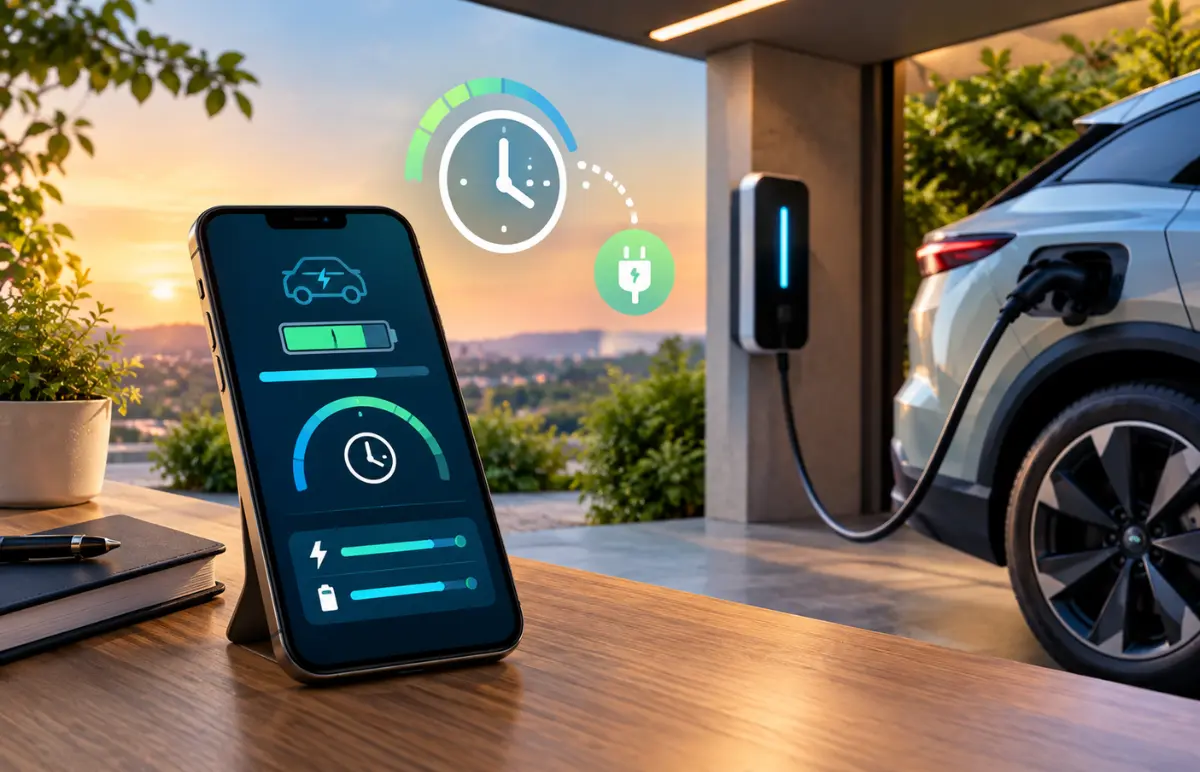
A fundamental EV charging time formula is given below.
Charging time (hours) = Energy to be transferred (kWh) / Charging power (kW)
For example, if an EV needs 30 kWh of energy to reach the desired battery percentage and the charging speed is 7.2 kW, then:
30 ÷ 7.2 ≈ 4.2 hours
That said, this is just an ideal calculation that assumes no transmission losses or reductions in energy transfer. In reality, the actual charging time is usually slightly higher than this theoretical value. When calculating energy to be transferred, it is essential to calculate the amount needed to reach the desired battery percentage rather than the total energy capacity of the battery pack. For example, if an EV has a 60 kWh battery and one wishes to reach 80% from 20%, then:
Energy to be transferred = 60 × 60% = 36 kWh
At the ideal charging speed of 7.2 kW,
36 ÷ 7.2 = 5 hours
The actual time taken would be slightly more than this due to the aforementioned reasons. It is usually best to go by the manufacturer-specified charging time for a given percentage range. For instance, some manufacturers state the time it takes to charge their EVs from 10% to 80%, and not to 100%.
What Factors Influence EV Charging Time?
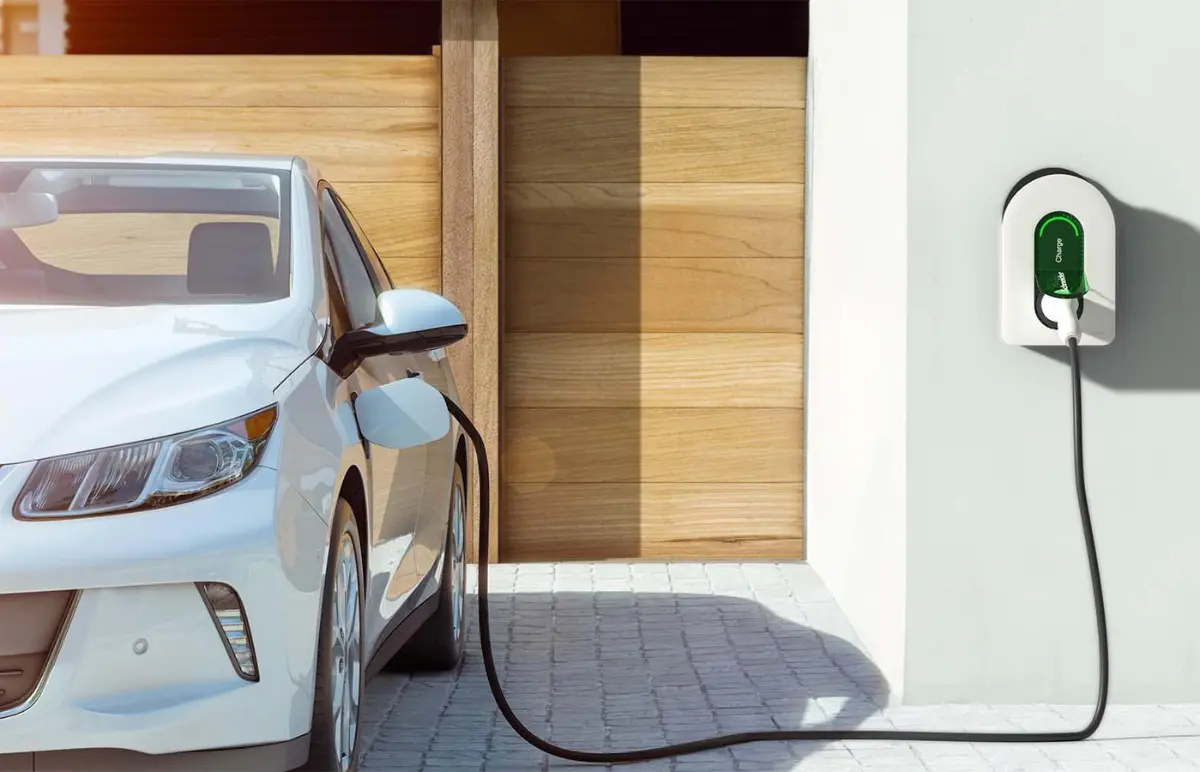
Several factors influence the time it takes to charge an electric car. Some of them include:
- Battery size: The higher the battery capacity, the higher the energy stored in the EV’s traction battery pack.
- Charger power: This refers to the maximum rate at which electricity can flow from the charger to the car.
- Vehicle charging capacity: Every EV has a specified maximum power for both AC and DC charging.
- Starting battery’s percentage: Only about 80% of the battery’s energy can be utilized, so starting from 20% will take less time than beginning from 0%
- Battery temperature: Battery temperature can greatly impact the rate at which an EV charges.
- Charging curve: This refers to the fact that most EVs reduce their charging speed as they reach a higher percentage.
With that said, here is how one can calculate the time it takes to charge an EV.
Also check: Effective Charging Tips to Enhance your EVs Battery Performance
How Long Does It Take to Charge an Electric Car at Home?
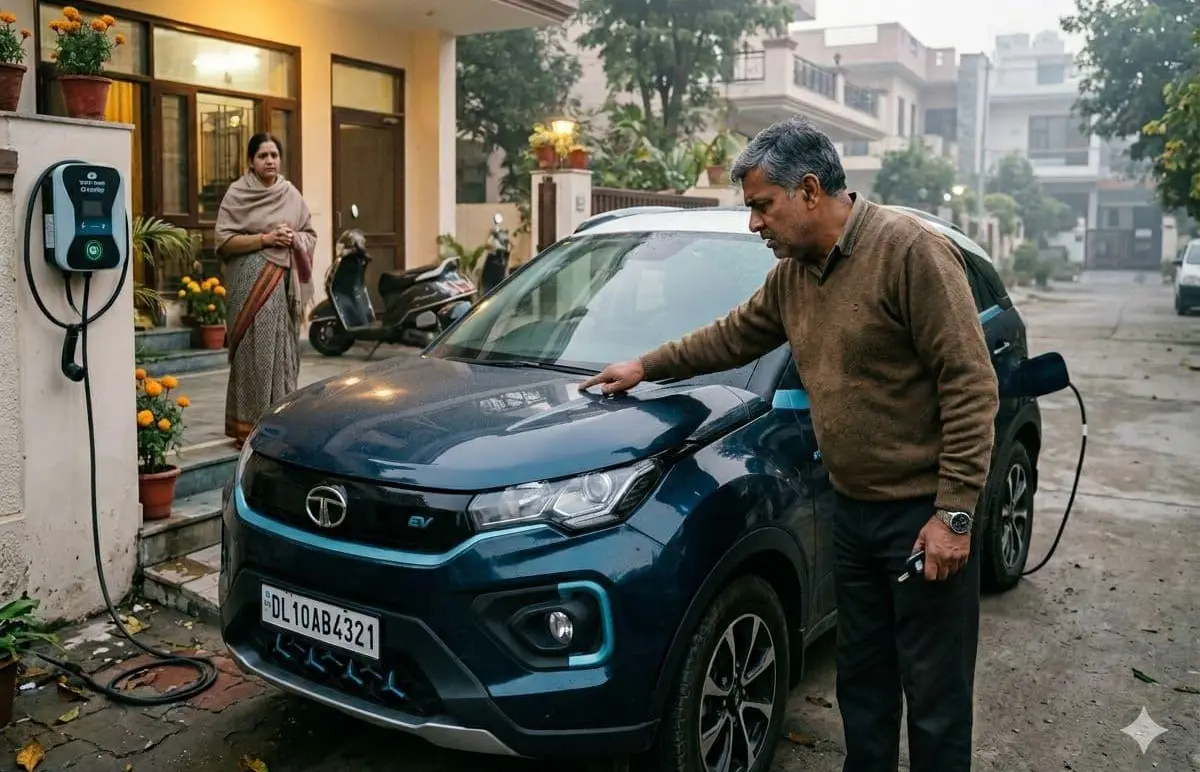
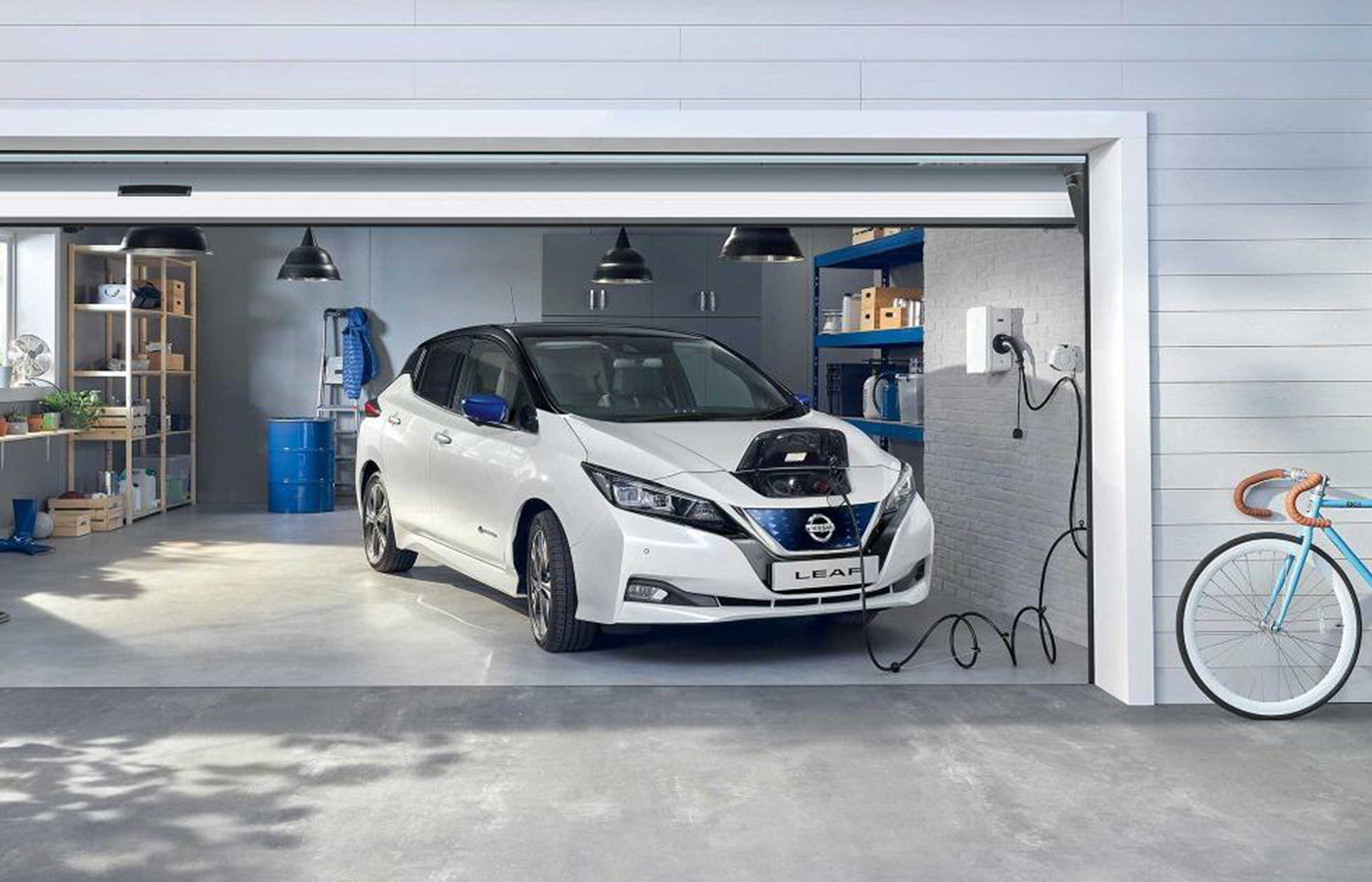
Home EV charging is the most convenient option for most drivers because the car charges while you park. The time it takes depends on whether one uses a 15A household socket or a dedicated home charger. For example, according to the specifications published by Tata Motors, the Nexon.ev with a 45 kWh battery takes approximately 6 hours 36 minutes to charge from 10% to 100% using a 7.2 kW AC wallbox. Using a 15A household socket, it takes about 17 hours 36 minutes to make the same charge. This goes to show that a home EV charger speeds up the process tremendously compared to a standard household socket.
Common Home EV Charging Options
| Charging setup | Typical use | General charging speed |
| 15A household socket | Occasional or backup charging | Slow |
| 3.3 kW AC | Home charging | Moderate |
| 7.2 kW AC wallbox | Regular home charging | Faster |
| 11 kW/22 kW AC | Compatible EVs and suitable electrical supply | High |
These are the typical home EV charging options. The time it takes to charge depends on the car’s battery pack and its maximum AC charging capacity.
How Long Does It Take to DC Fast Charge an EV?
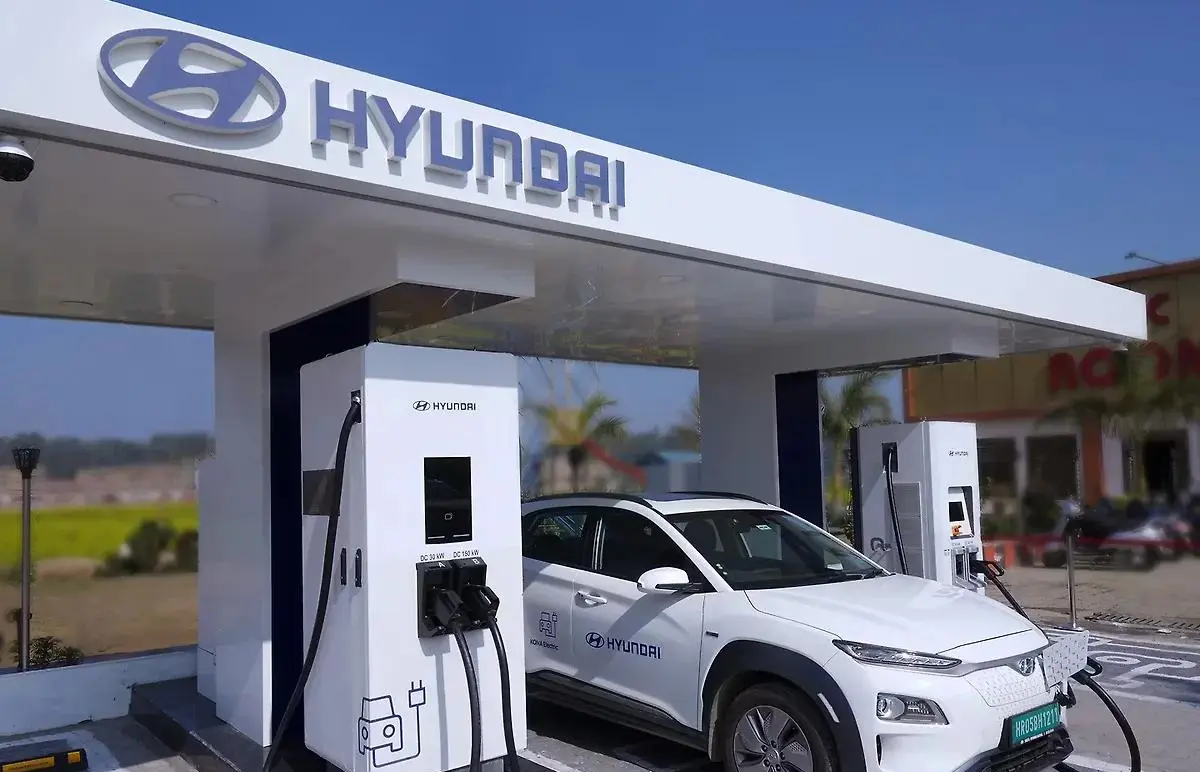
DC fast-charging is the best option when one needs to make a long-distance trip and wishes to utilize the road more. Unlike standard home EV charging, where the car’s onboard charger converts the AC electricity from the charger to DC, DC fast-charging provides DC electricity directly to the battery. This means that compatible EVs can utilize much higher charging speeds since there is no limitation from the onboard charger. For example, according to the specifications published by Tata Motors, the Punch.ev 40 kWh can be charged from 20% to 80% in about 26 minutes using a 60 kW DC fast charger.
According to the same manufacturer, the current Nexon.ev can be charged from 10% to 80% in about 40 minutes using a 60 kW DC fast charger. It is essential to understand that these figures apply to the specified EVs and the given charger. A 100 kW DC fast charger will not necessarily provide 100 kW of power to the battery since that depends on the car’s onboard charger capacity and other factors.
How Can I Make EV Charging More Convenient?
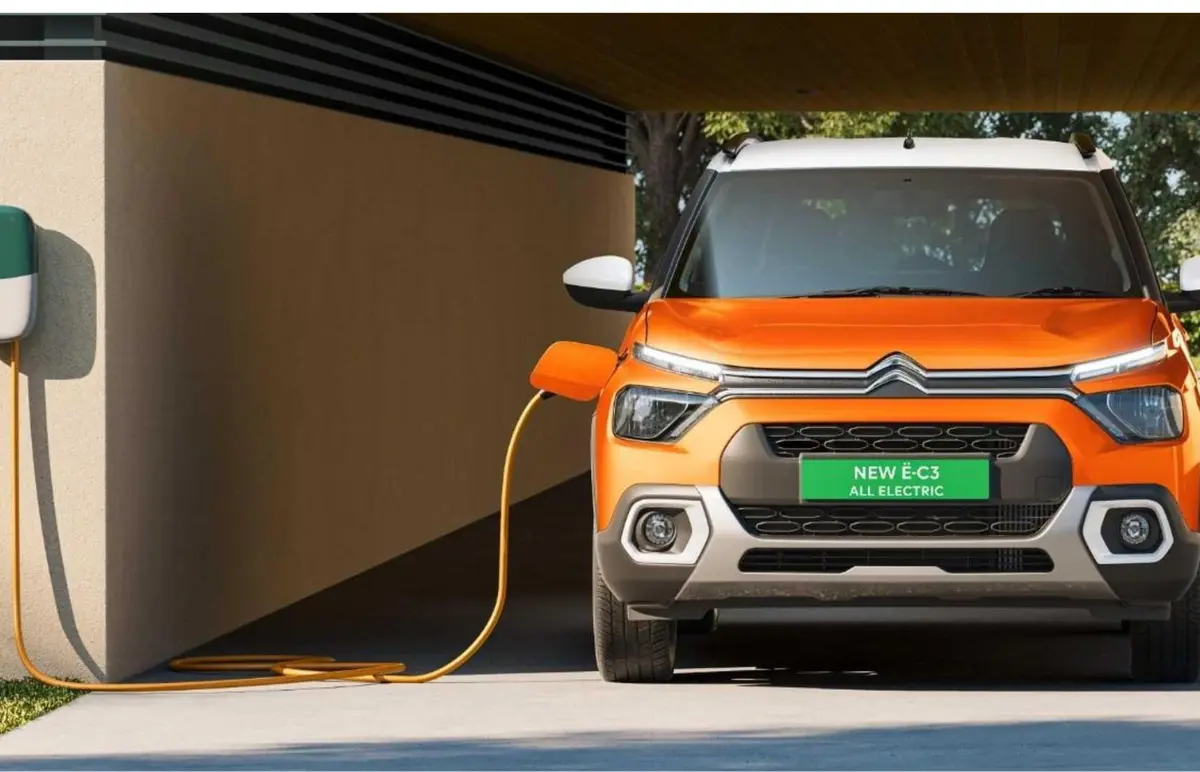
For day-to-day driving, getting a home EV charger is almost always the best option. You can simply plug the car in after finishing your shift and let it charge overnight. As for long-distance travel, it is advisable to make a stop plan and ensure that there are suitable DC fast-charging stations along the way while keeping track of the car’s maximum DC charging capability. It is also essential to remember that the highest power rating is not always the best option. Every EV has a maximum power rating at which it can charge, so it will benefit from a higher power charger as long as it does not exceed this limit.
Final Thoughts
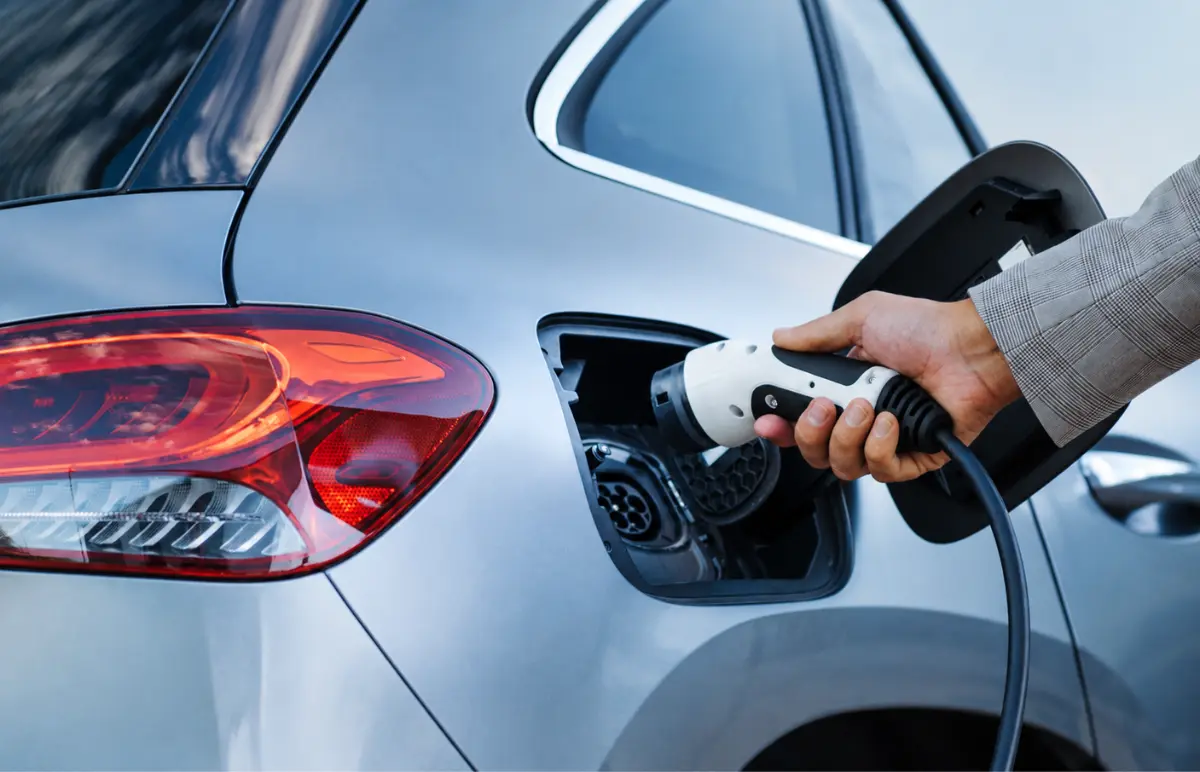
How long it takes to charge an electric car depends on multiple factors, including battery capacity, charger power, the vehicle’s charging capabilities, and several others. At home, an EV can take several hours to fully charge. On the other hand, a suitable DC fast charger can provide a considerable range boost within minutes in some EVs. For day-to-day driving, getting a home AC charger will make life much easier since most EVs take more than 8 hours to charge from 20% to 80%.
On the other hand, DC fast-charging is much more appropriate for long-distance travel scenarios. When purchasing an EV, it is advisable to look at the battery capacity, AC and DC charging capabilities, and the claimed charging time from the manufacturer. All of these figures will give a better indication of the charging process than just the battery capacity and/or range.
.webp)