EV vs Hydrogen Cars in India: Complete Comparison & Future Reality
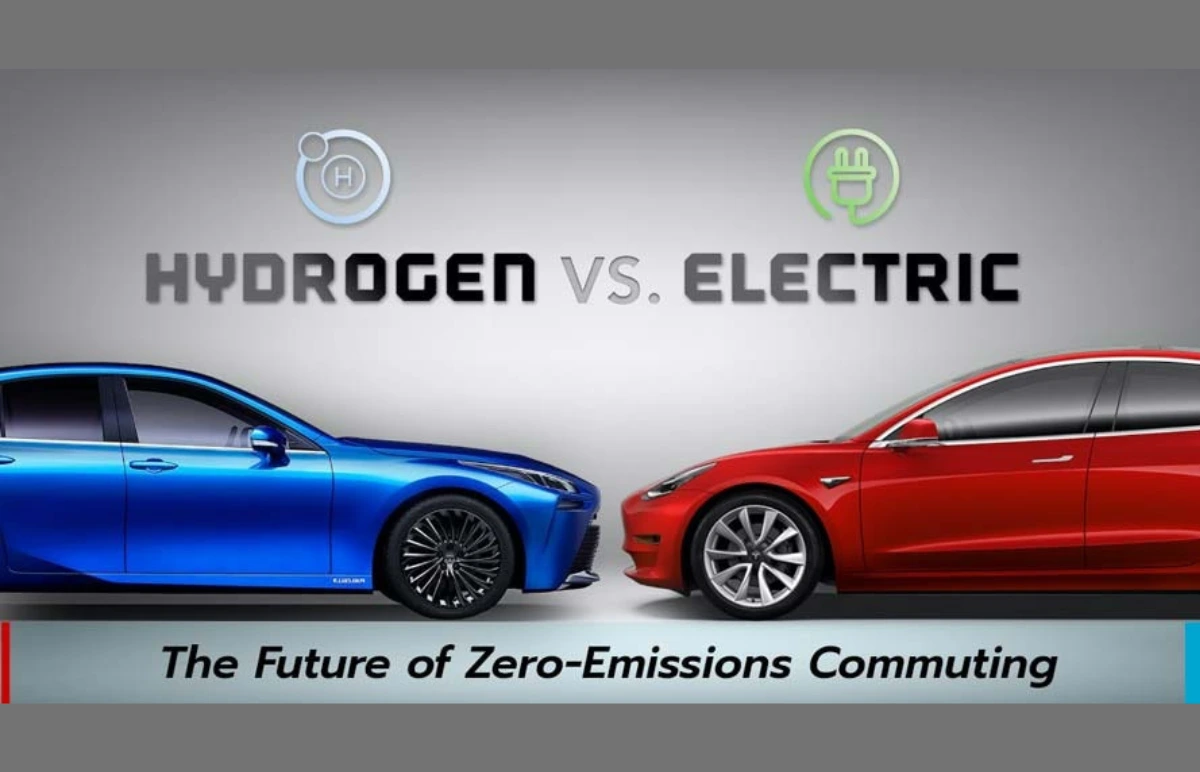
The era of Hydrogen cars is evolving at a progressive rate as a quick 5-minute refuel provides you a seamless driving range and produces zero carbon footprint. In simple terms, just water vapour from the exhaust.
But if this technology is so advanced, then why are our Indian roads filled with Electric Vehicles (EVs)? Below we have outlined the key differences between EVs and Hydrogen cars to see which technology is more practical for a country like India.
How Do They Actually Work?
Let’s understand the core functioning of both the powertrains as how they generate power is completely different.
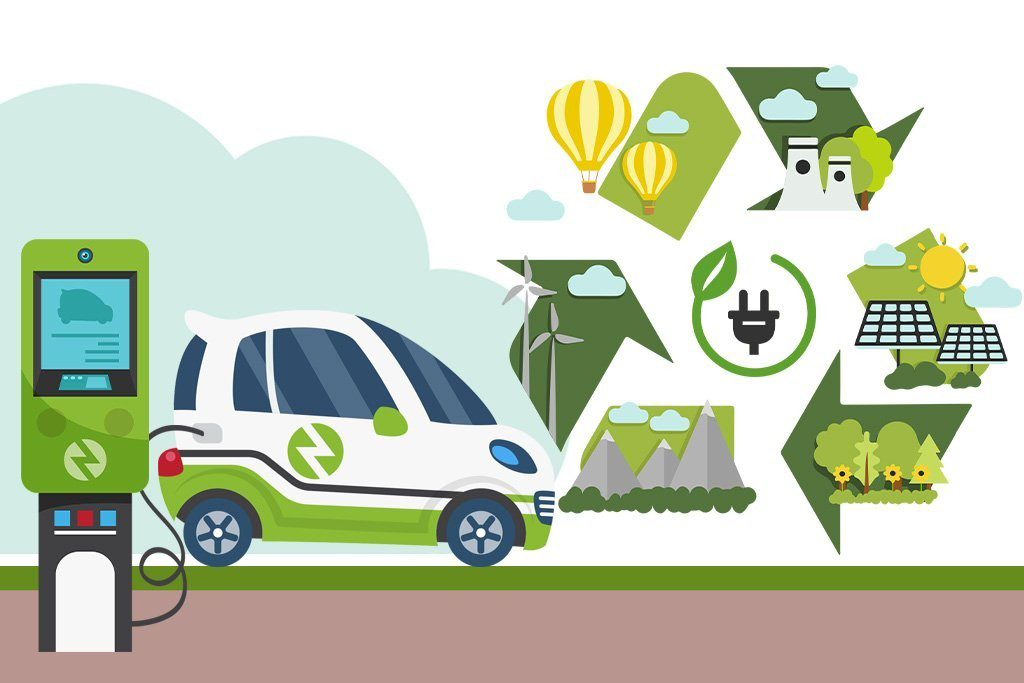
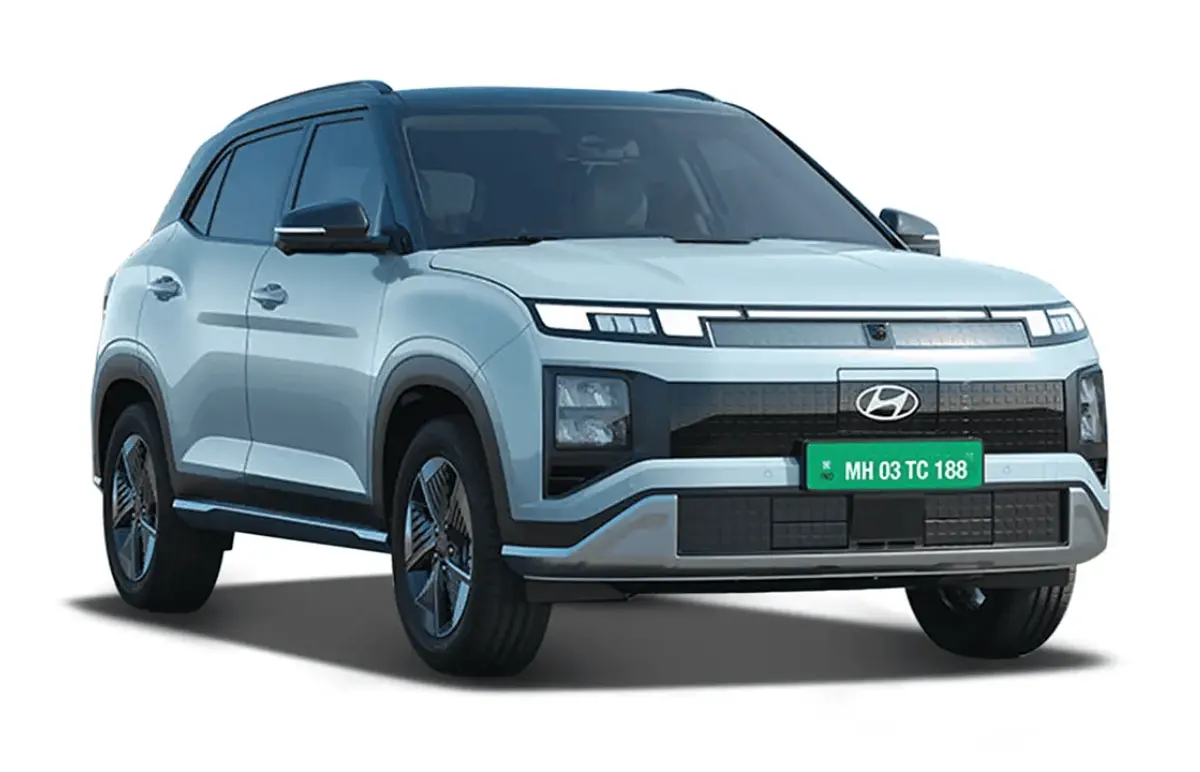
Electric Vehicles (EVs): This process is very simple. When you plug the car into the charger, the electricity is stored in the big battery pack, and that battery sends power to the electric motor to turn the wheels. (Electricity ➔ Battery ➔ Motor ➔ Wheels ).
-1.webp)
Hydrogen Fuel Cell Cars: It works exactly like an electric car that generates its own power. However, instead of the big battery, it comes equipped with a hydrogen tank. The hydrogen mixes with the oxygen present inside the “Fuel Cell” which creates a chemical reaction that generates electricity. (Electricity ➔ Hydrogen Production & Storage ➔ Refueling ➔ Fuel Cell ➔ Motor ➔ Wheels).
The Real-World Comparison in India
- Mainstream Availability Vs Concepts: In India, EVs are slowly becoming a mainstream mode of transportation, as you can walk in the showroom today and buy an EV from established brands like Tata, MG, Mahindra & BYD. However, Hydrogen cars are currently not available for buyers as they are restricted to pilot testing and government projects only.
- Charging Vs Refueling Infrastructure: Indeed, while the EV charging infrastructure is still in its infancy, the ecosystem is quickly advancing with almost 30,000 public EV stations available. On the other hand, public hydrogen stations are almost non-existent. Currently, the government is piloting only 9 stations on specific routes, which is mainly focussed for commercial trucks and buses.
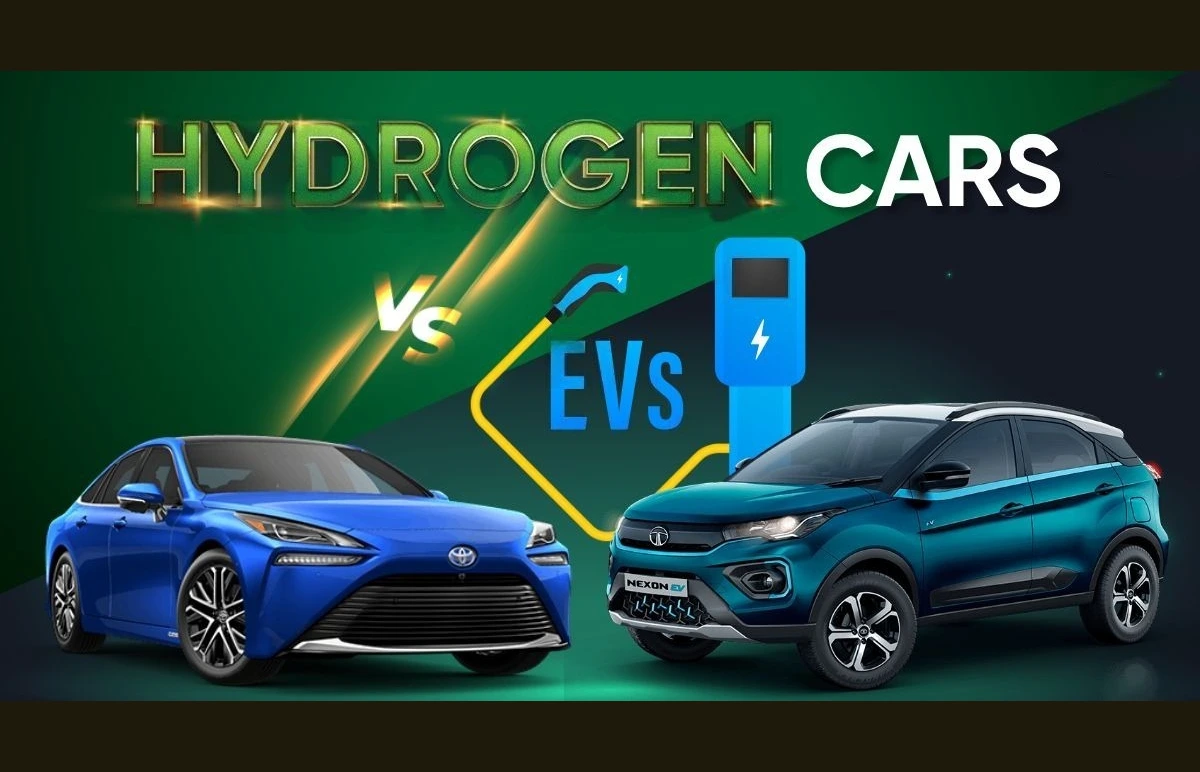
- Efficiency & Running Costs: EVs provide more efficiency because electricity is directly stored into the battery and charging at home significantly reduces your running costs by 70-80% compared to conventional ICE cars. Hydrogen is quite complex as creation, compressing, transporting and converting it back to electricity comes with a long process with energy loss at each step, making it more expensive to run.
EV vs. Hydrogen: The Ultimate Breakdown
| Feature | Electric Vehicles | Hydrogen Cars |
| Technology | Battery Stores Electricity to power the Motor | Fuel Cell creates electricity from hydrogen. |
| Availability | Widely Available (Tata, MG & Mahindra) | Not Available for Regular Buyers (Pilot Stage Only) |
| Infrastructure | Growing Rapidly (30k Public Chargers) | Almost Rare (Limited to select Pilot routes) |
| Running Cost | Highly Affordable (Especially via Home Charging) | Unclear and currently very expensive to produce / transport. |
| Best Use Case | City Commutes & Standard Family Cars | Heavy Transport (Buses,Trucks, Mining, & Shipping) |
| Energy Efficiency | High (Direct Power Transfer) | Low (Energy Lost in Production & Conversion) |
.webp)
The Final Verdict
For a middle-class family buyer in India, the Electric Vehicle is a clear cut winner and a more practical choice. The infrastructure is diversifying at a rapid rate, costs are low, and mobility is getting accepted worldwide.
However, it doesn’t mean that Hydrogen is a failed technology, but it has a promising future in heavy commercial transport like long-haul trucks and buses, but for family use in India, the future is definitely electric.
-1.webp)