The EV Battery Decision that Nobody Explains: LFP vs NMC Revealed
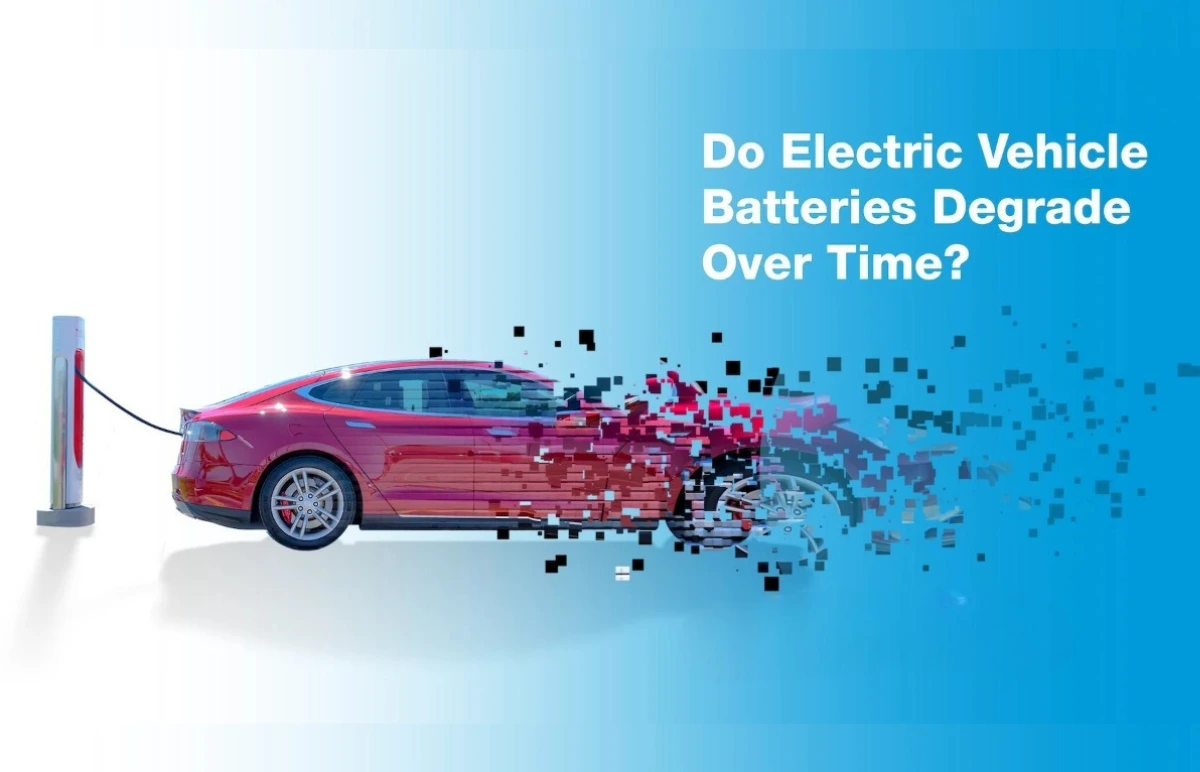
When buying an electric vehicle, the majority of people take range as an important factor, but they don’t analyse enough on battery chemistry. The chemistry of the battery is important and varies according to how long you keep your car, and your charging routine.
Let’s explain the real-world differences of LFP battery vs NMC battery. LFP (Lithium Iron Phosphate) and NMC (Nickel Manganese Cobalt) batteries.
The Truth About EV Battery Aging
Generally, there are rumors that LFPs are reliable, but that’s half the story. There are two types of aging: Cycle aging from actual charging and calendar aging from time passing. The Calendar Aging affects all lithium-ion batteries.
The fleet data shows average degradation of just 1-2% per year. This means if you change your car in 4-6 years of time span, the battery lifespan of LFP batteries won’t affect your ownership experience.
.webp)
Charging Habits & Usable Range
Here is where the psychology shifts. It is perfectly fine for a LFP battery to charge to 100% SOC. On the other hand, NMC batteries generally prefer to be charged between 20-80% daily in order to avoid stress. However, it is quite amusing that a 420 Km LFP charged to 100% can provide a more usable range than a 500 Km NMC limited to 80%.
Long Term Battery Cost
LFP relies heavily on iron and phosphate cutting NMC in cost per kWh. In the case of NMCs, they require expensive nickel and cobalt. This leads to a lower replacement cost, better insurance rates and lower financial exposure.
.webp)
Which battery is better for EV?
| Feature | LFP Battery | NMC Battery |
| Ideal For | 8-10 Year Owners, Daily Commuters | Cold Climate Drivers, Road Trippers |
| Charging | 100% Daily | 20-80% Window |
| Cost | Lower Replacement Cost | Higher Replacement Cost |
| Winter Resilience | Drops significantly | Maintains Stronger Output |

.webp)