22kW EV Charger Explained: Do You Really Need It? | Fast Charging Myths Busted
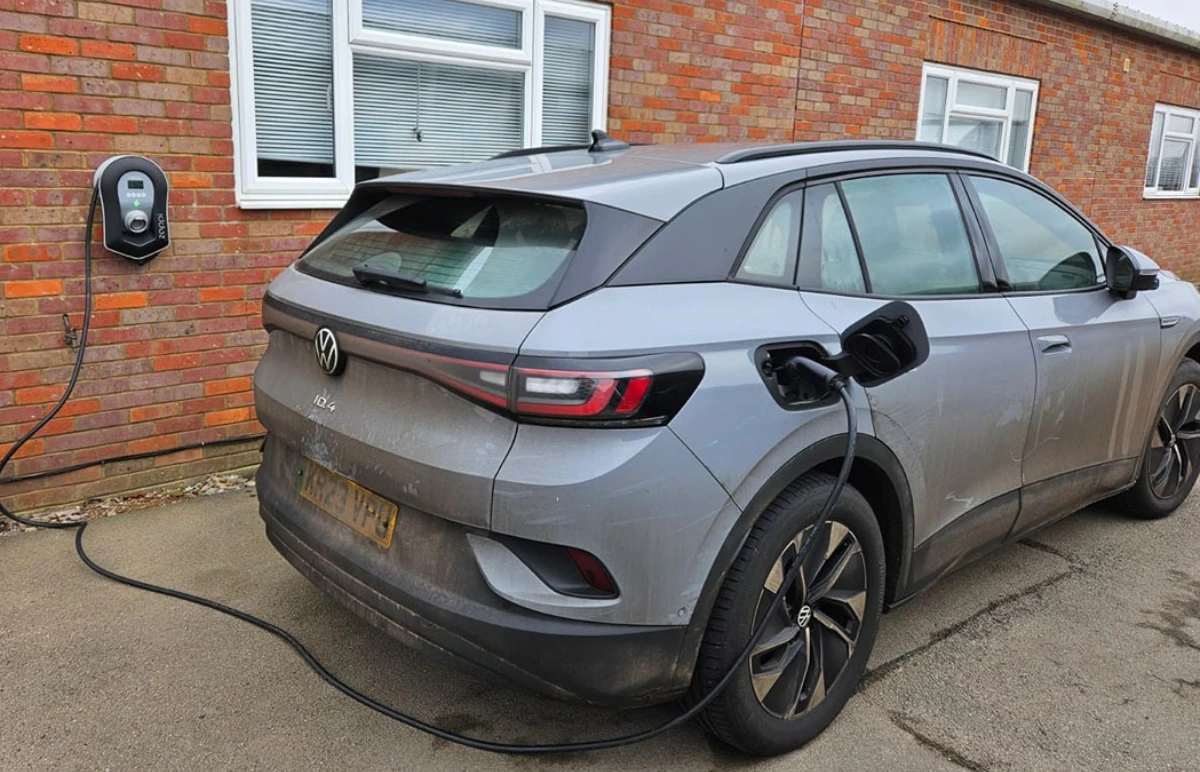
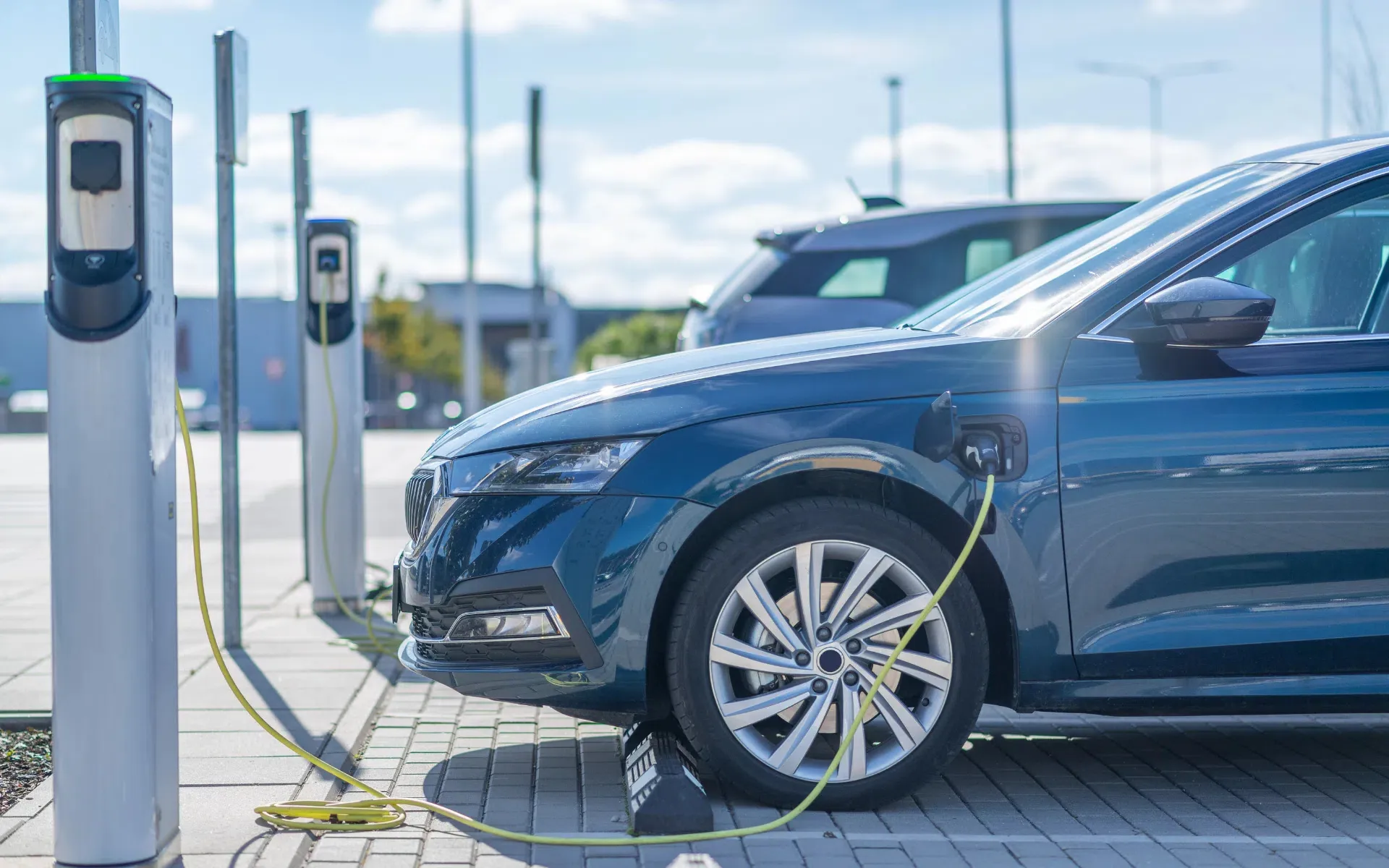
You just brought a brand new EV and the dealer suggests installing a 22 kW charger so that your car charges fast. It sounds completely logical first as it ensures faster charging speeds. But what if we reveal a shocking truth that even after spending money on a 22 kW home charger, your car might not actually charge at 22 kW speed.
Let’s understand this charging truth of home charger and figure out whether this 22 kW home charger makes sense to the everyday Indian EV owner.
The Bottleneck: Charge Fast Vs Car Fast
When discussing EV charging, many buyers prioritise battery size and highway fast charging but forgot to understand the most important component of home charging, which is the car's onboard charger limit.
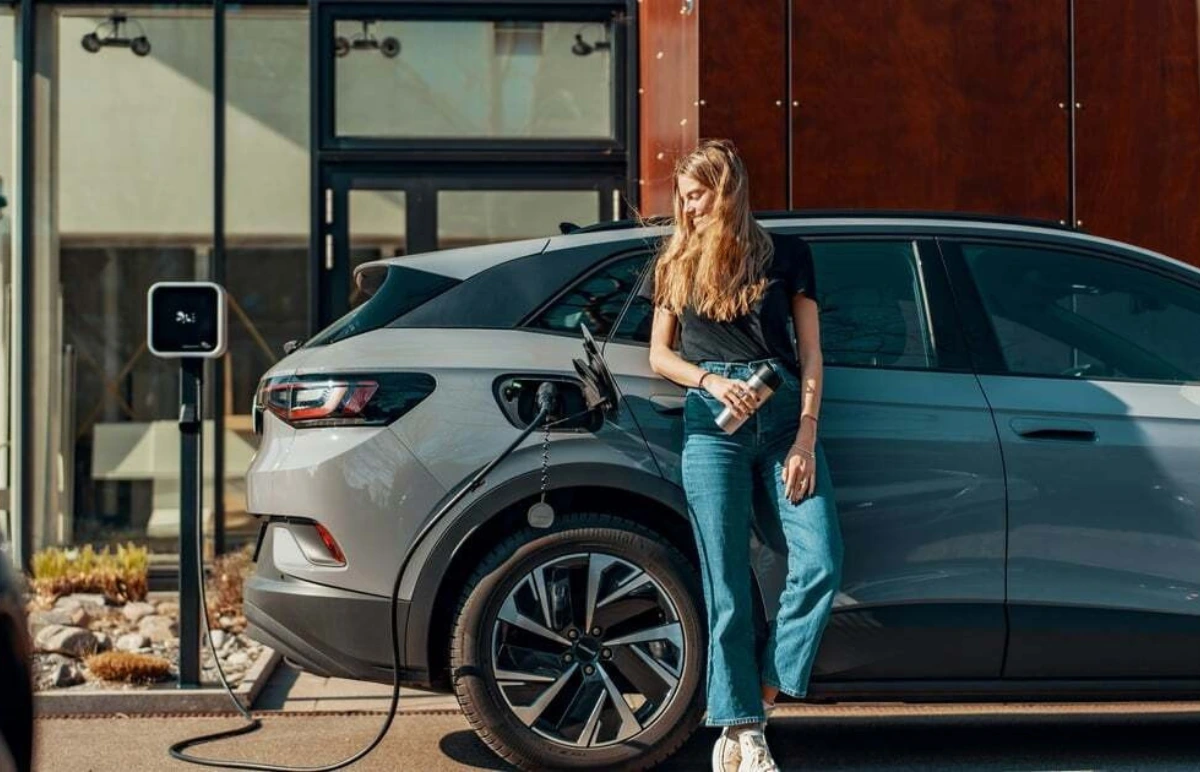
Home charging is majorly AC charging where electricity transfers from the wall charger to the car, and the car’s internal onboard charger converts the AC power into DC to store energy in the battery. Here comes a twist, as your wall charger might push to 22 kW of power, but the car will only accept the maximum power to the extent its onboard charger allows.
If your EV comes with a 7.2 kW onboard charger, plugging it into a 22 kW wall unit means it will still charge at a speed of a 7.2 kW unit. It's just like thinking of charging your smartphone that supports 25W charging into a 100W laptop brick, as the phone will only charge at 25W and not accept 100W. The charging speed is entirely dependent on the car, not the charger.
The Infrastructure Challenges
Installing a 22 kW charger is not just a simple plug-and-play device, as it is a three-phase AC charger. To safely install this, you need a proper three-phase connection, proper sanctioned load, upgraded wiring, and DISCOM approval.
.webp)
In India, the majority of homes run on a sanctioned limit of about 3 kW to 8 kW. If your home has a capacity of 5 kW load running everyday, then various electrical appliances like AC, fridge and microwave and even a 7.2 kW charger can push the limit. Thus a charger with 22 kW capacity requires a costly electric infrastructure upgrade.
Who Actually needs a 22 kW Charger?
While this charger is not for everyone, a 22 kW charger can be extremely practical under specific conditions. It makes complete sense if:
- Your EV’s onboard AC charger supports 11 kW or 22 kW
- You already have an upgraded three-phase electrical connection available at your home or office.
- You are installing it for commercial spaces, societies, fleets, or if you own multiple EVs.
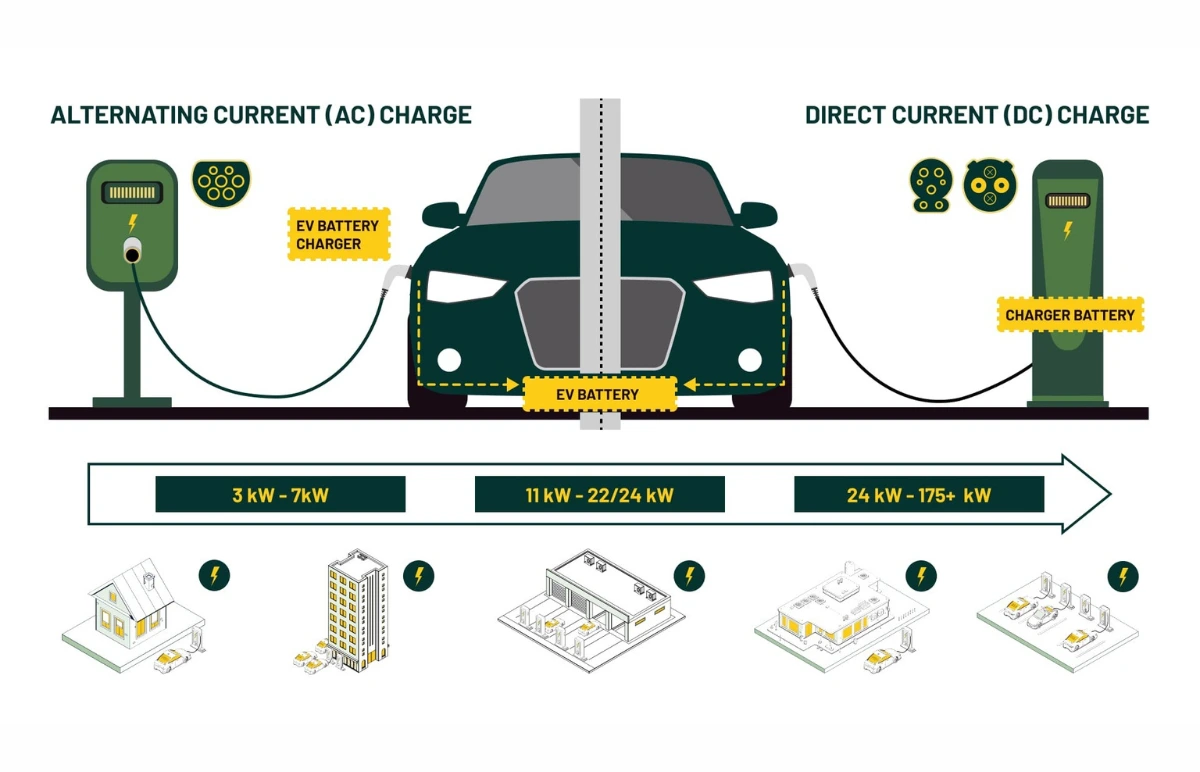
Don’t Confuse AC with DC Charging
Many people confuse the 22 kW AC charger to perform like a fast DC charger seen on the highways. A 22 kW AC charger and 60 kW or 120 kW DC fast charger have a completely different process.
| DC Fast Charging | 22 kW AC Charger |
| During DC charging, the power feeds directly into the battery system, bypassing the car’s onboard AC charger completely. | The electricity transfers from the wall charger to the car, and the car’s internal onboard charger converts the AC power into DC to store energy in the battery |
.png)
The Final Verdict
If you are a normal EV owner having a single car and driving 30-80 km daily, a 22 kW AC charger is not needed. Majority of the popular EV models like the Nexon EV and MG ZS EV come with a charging capacity of 7.2 kW and 7.4 kW AC charging.
Before you opt for a charger, always check your car’s onboard AC limit with the dealership, calculate your daily running and consider your home’s current load capacity. For everyday use, a 7.2 kW AC wall box charger is more than enough.