Why Private EV Chargers Are Banned From Indian Housing Societies? | Apartment EV Charging Guidelines.
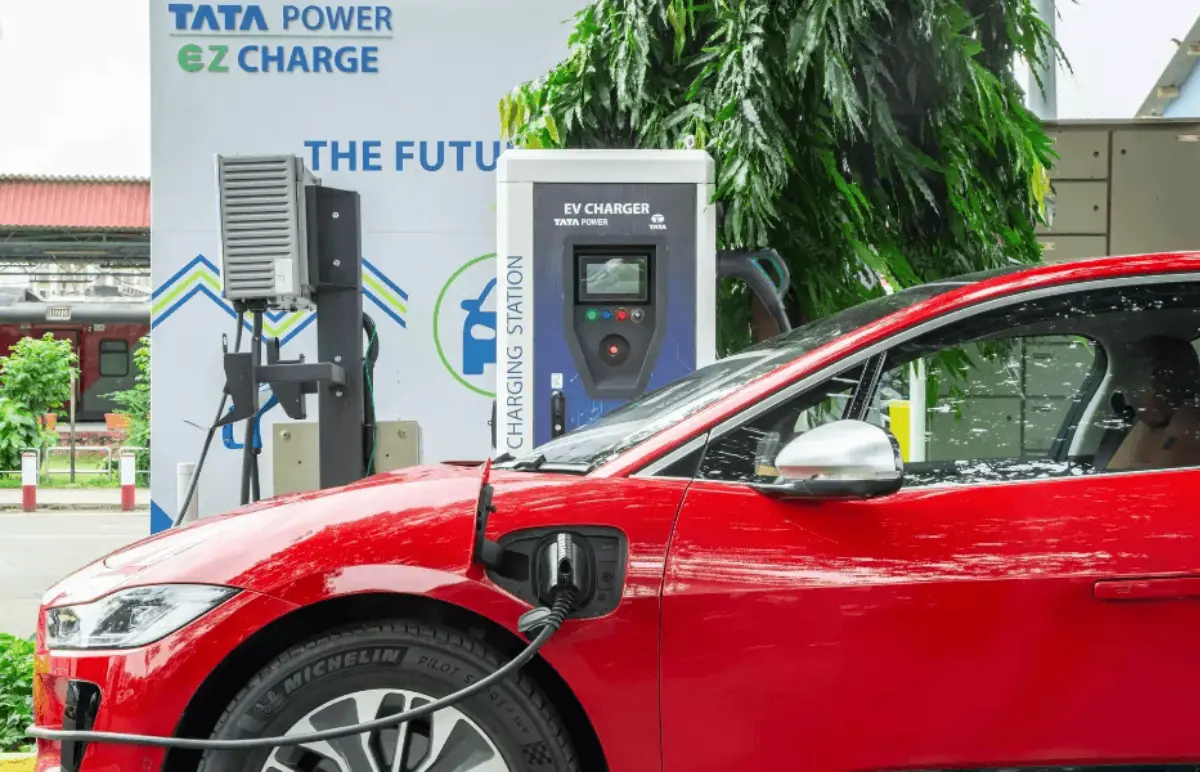
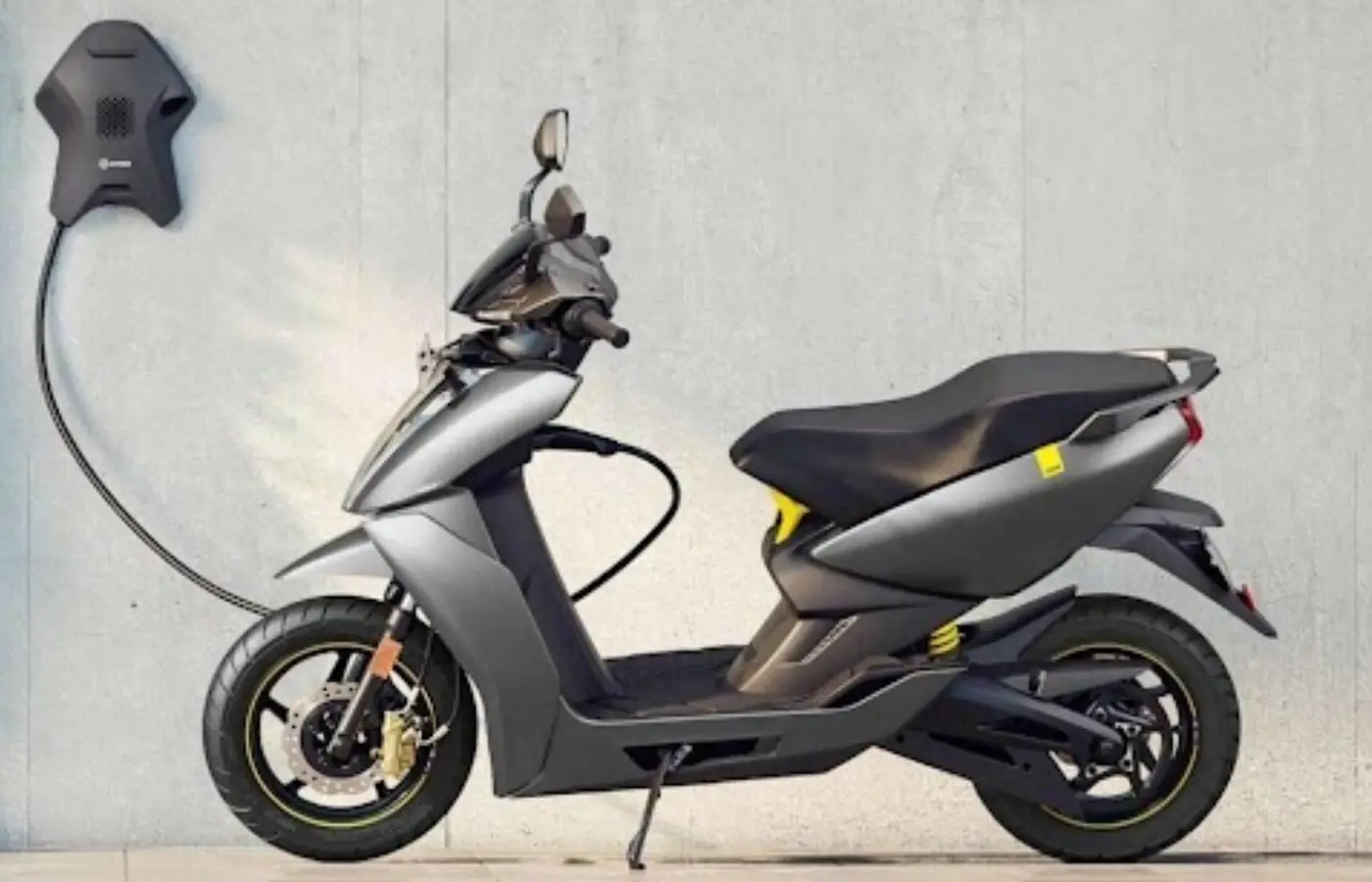
The EV revolution is accelerating at a rapid pace in India as buying a highly advanced, sleek, modern, silent, and sustainable car is becoming a trend now-a-days. If you reside in a high-rise apartment, charging your electric vehicle at home may pose difficulties, as many housing societies in major cities are prohibiting EV chargers in their basement parking areas.
The residents are facing issues to adopt EVs, as management committees are purposefully delaying and directly rejecting to install private EV chargers in basement parking spaces. But why exactly are Resident Welfare Associations (RWAs) are arising challenges for the mainstream adoption of green mobility?
Our AllAboutEVs team researched on this and has mentioned the real reasons, ongoing debates, and possible solutions to eradicate this issue.
.webp)
Why are Housing Societies going against EVs?
Societies are not against EVs, but have injected fears in them about these two critical risks: The possibility of Fire incidents and outdated electrical grids.
The Basement Fire Safety Debate:
The biggest challenge in the EV home charging is the risks of fire incidents and debates around fire safety. While there is a rare chance of EV fires, they grab various attention and put EVs in a negative light. When Lithium-ion batteries catch fire, they are very difficult to extinguish, as they can continue to generate intensive heat even after the initial flames are extinguished.
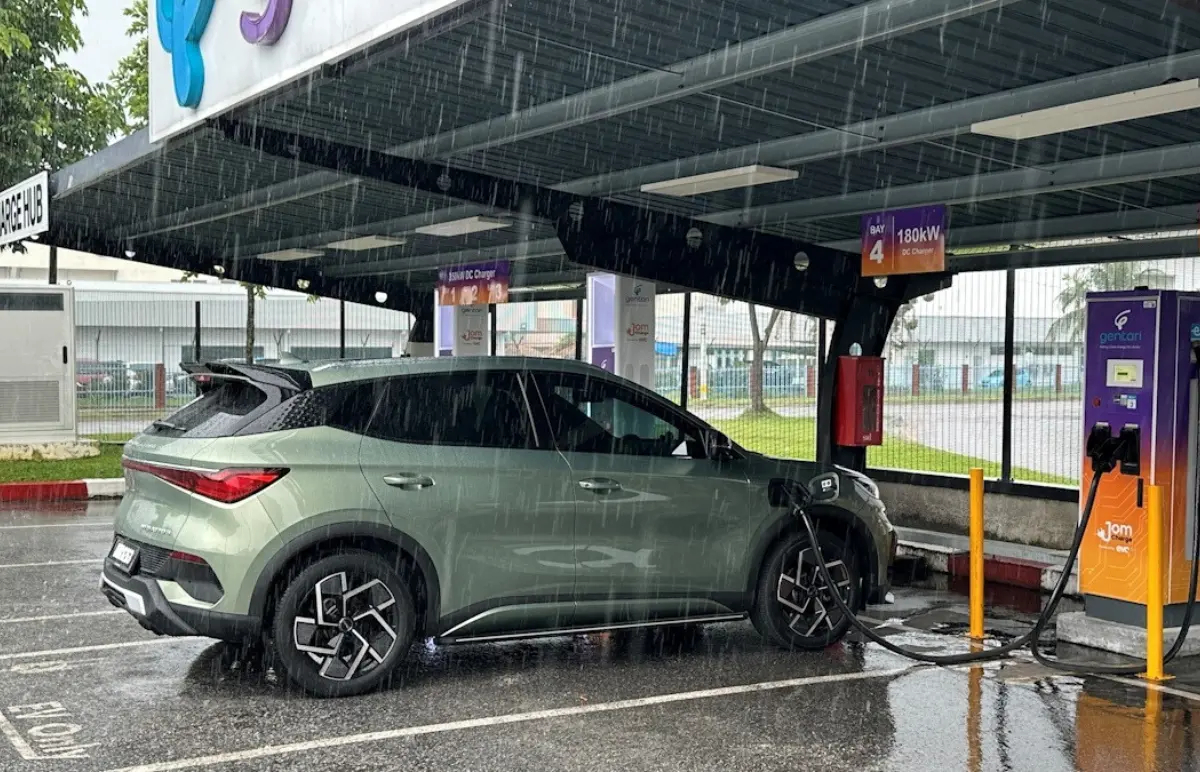
In a housing society, an EV fire accident can be dangerous especially in an enclosed basement parking area, as there are certain risks such as.
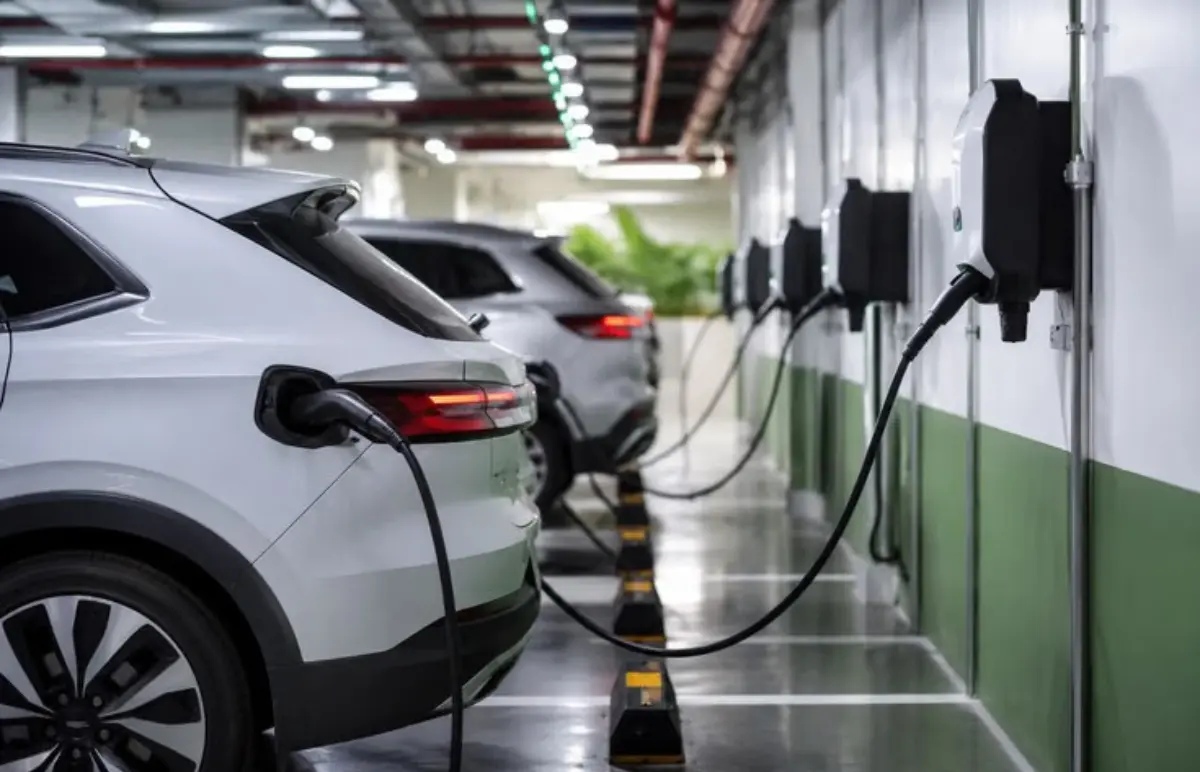
- Heavy smoke accumulation in underground areas.
- Massive challenges for emergency evacuation.
- Limited reach for heavy firefighting equipment.
- The possibility of fire spreading to nearby parked vehicles.
The Electrical Infrastructure Overload:
Majority of the residential buildings were constructed before the EV rise in the country, and that’s why their electrical infrastructure is specifically designed to handle household appliances, elevators, and water pumps, not dozens of EVs plugging at the same time.
Pushing the grid at its extreme can cause transformer overloads, massive voltage fluctuations, and dangerous cable overheating, leading to lethal fire accidents.
.webp)
Can your Society stop you from installing a charger?
Well for now, it’s a gray area, as the government is constantly promoting EV adoption and newer building codes will be developed according to EVs. While a direct ban is legally flimsy and hard to justify, housing societies have a right to demand rigorous safety audits and compliance checks before giving you the green signal.
Core Concerns & Practical Solutions
Instead of fighting a legal tug-of-war, it requires engineering solutions to tackle the problem. Based on the core issues highlighted by industry experts, here is a breakdown of various concerns raised and their proposed solutions.
| Society’s Core Concerns | Proposed Solutions |
| Grid Overload & Blackouts | Conduct a load assessment and run a dedicated line directly from the EV owner’s personal meter. |
| Fire Hazards in Basements | Make it mandatory to use only certified chargers and licensed installation by professionals. |
| Messy & Dangerous Wiring | All electric wiring should be directed through heavy-duty, fire-retardant conduits and trays. |
| Liability for Damages | There should be documented approvals where the vehicle owner should be responsible for any installation faults. |
| Future Scaling Issues | Invest in a dedicated society-designed EV infrastructure plan rather than depending on case-by-case ad-hoc approvals. |
.webp)
How to get your charger Approved?
For the majority of buyers, the value of EVs depends on waking up to a fully charged battery. If you are facing rejection from your housing society, don’t go for arguments, instead ask for a specific technical reason and then re-apply with a solid proposal.
Provide your vehicle’s technical specifications, charger safety certifications, detailed installation drawings, and credentials of your licensed installer. When you provide all the professional documentation, it creates a shift from a direct “No” to a conversational “How”.
Essential Information to include in your EV Charger Application
The more information you provide, the easier it becomes for management committees to evaluate your proposal. Below is a list of important information to be included in your EV charger application:
- Vehicle Details
- Parking Slot Details
- Charger Specifications
- Installation Drawings if Available
- Safety Certifications
- Electrical Load Requirements
- Installer Credentials.
The Final Verdict
The future of mainstream EV adoptions in India’s major cities is heavily dependent on residential charging allowance. While housing societies also have valid reasons to obstruct EV users from installing home chargers, it increasingly needs structural charging reforms for efficient installation of home chargers in housing societies.
India’s EV infrastructure is still under development, however with a bit of transparent communication, home charging will soon emerge as standard fitment rather than full of challenges.