How to charge your EV in the rainy season?
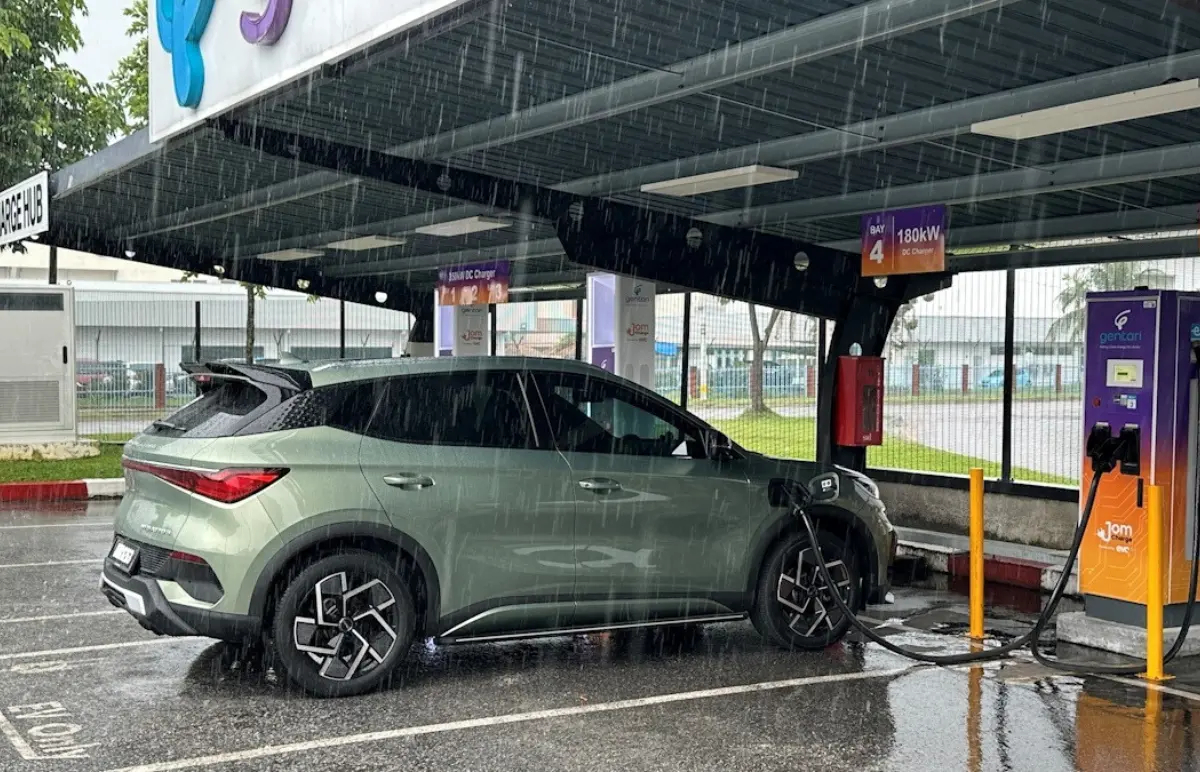
As the monsoon season is approaching, there will be a huge relief from the excessive summer heat. But for electric vehicle owners, the rainy season ignites an important question: Is it really safe to charge my EV during heavy rains?
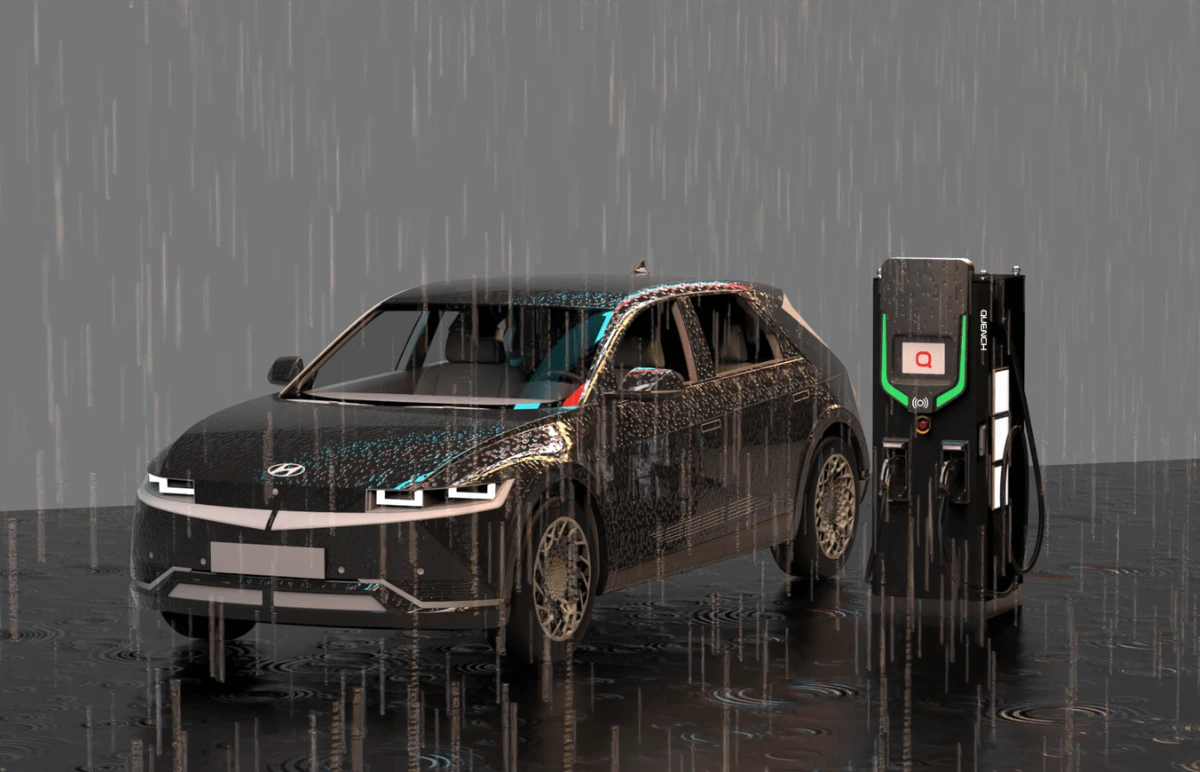
The simple answer is Yes! Modern EVs and chargers are built specifically for handling heavy rains, high humidity. But electricity always needs smart planning and execution. Let’s understand how you can protect your EV charging setup during the rainy season and ensure that your battery charges safely during heavy rains.
Monsoon Risks for EV Chargers
Whether your EV charger is a 3.3 kW portable cable or a 7.2 kW wall-mounted unit, it is an electrical appliance, and the Indian monsoon can cause three major problems.
 (1).webp)
- Water Ingress & Humidity: Constant exposure to humidity and heavy rains can lead to a risk of short circuits, internal corrosion, and failures of internal components such as PTC heater.
- Power Fluctuations: Monsoons can cause unstable power grids as lightning strikes and fallen branches on power lines lead to sudden power surges and can cause severe damage to sensitive electronics inside your charger.
- Physical Damage: Strong winds can blow debris and falling branches can physically damage the charge unit or the connecting cables, if they are left out open.
.webp)
EV Charging Tips for Rainy Season
Don’t panic, but you need to do proper preparation. Here are some basic safety precautions for EV charging in rain.
Check the IP Rating: Always check for Ingress Protection (IP) rating. For outdoor units, always opt for at least IP54 (Protection Against Dust & Splashing). If you live in an area with heavy thunderstorms and rains, an IP65 rating is best recommended.
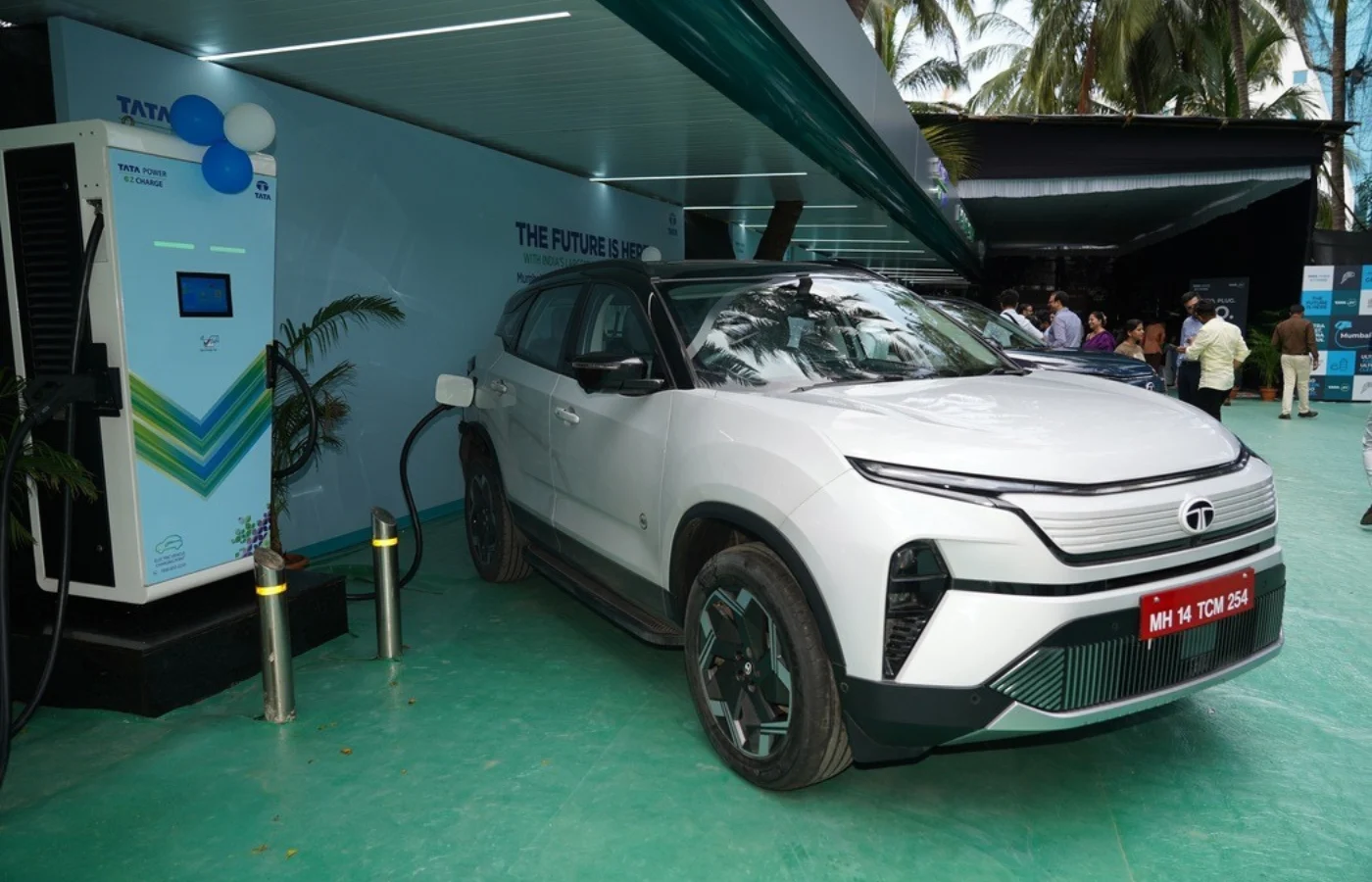
Install Under Shelter: You can protect your charging area by a simple carport, porch canopy, or a dedicated waterproof enclosure can protect your charger from direct rains, while still allowing for proper ventilation for protection.
Use a Surge Protector: Always look for a high-quality surge protector to block uneven voltage spikes caused by lightning or grid instability from reaching your charger.
 (1).webp)
Secure the Cabin & Gun: Never Leave your charging cable open or coiled in a puddle. Store the charging gun in a holster and ensure your entire electric setup has a proper earthing to prevent current shocks.
Key Takeaways
| Key Focus Areas | Main Takeaway | Action Required |
| IP Rating | Determines Water & Dust resistance level | Ensure your Charger is IP54 (IP65 for Heavy Rain Zones) |
| Physical Shelter | Direct Rains causes Wear & Tear | Install a Canopy, or a Roof Overhang. |
| Grid Safety | Monsoons cause voltage spikes and surges | Install a dedicated protector and check all grounding. |
| Cable Management | Cables in contact with water can cause severe safety hazard. | Keep cables off the ground and store the gun in a dry holster. |
| Pre-Monsoon Audit | Damaged wiring can cause disasters | Bring a Certified Technician and inspect your wiring and insulation |
The Verdict
Charging your EV can be safe, if you take the proper precautions as listed above. By following this dedicated procedure, you can enjoy the beautiful monsoon weather, while keeping your EV ready for daily commutes and weekend highway drives.