EV Battery Replacement Cost in India (2026)
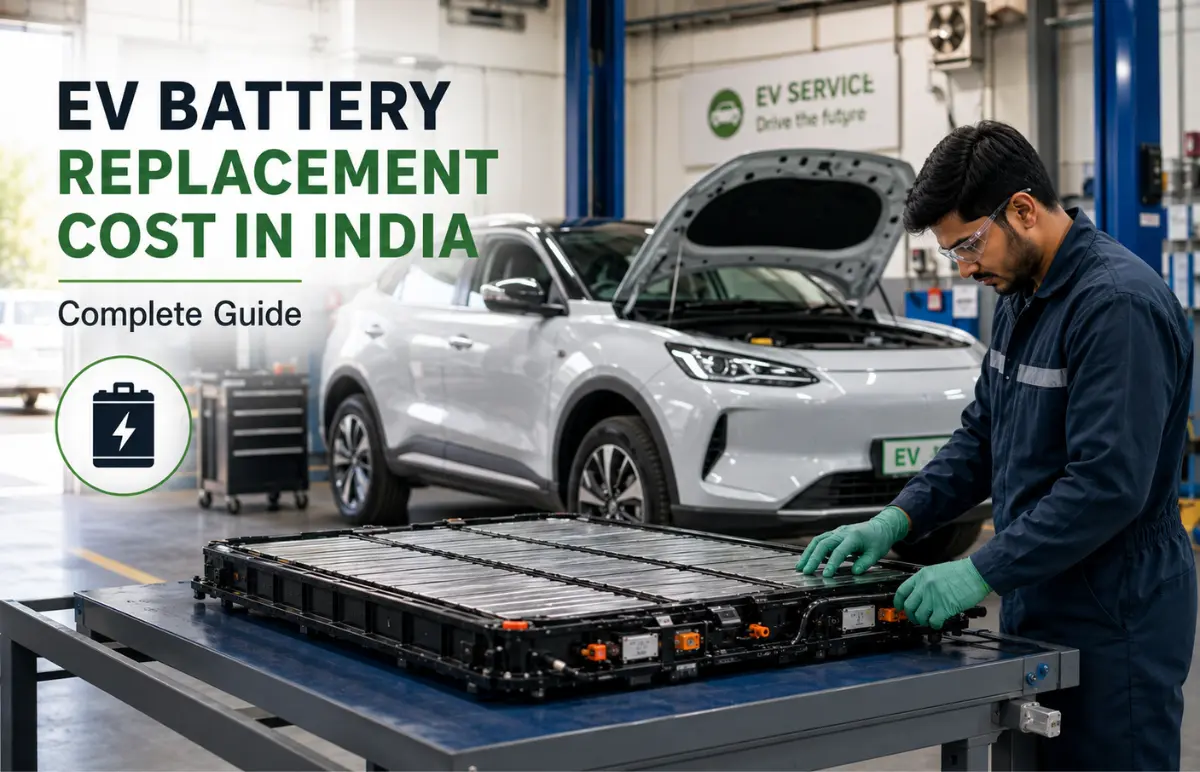
Batteries are considered as the heart of the electric vehicles and replacing them is really expensive. So the most important question of any EV buyer is, How much does the EV battery replacement costs? And the answer is 30 to 45% of the car cost, also the cost of battery replacement depends on the vehicle you own. But the good news for the EV buyers is that they may never need to replace their EV batteries.
According to the latest and advanced technology, the modern lithium-ion batteries are designed to last for many years or their full ownership time. Not only this, but now manufacturers also provide warranty for the battery, depending on their terms and conditions. If you also want to know everything about EV battery replacement cost in India, battery warranty, and other related factors, then this blog is for you.
Electric Vehicle Battery Replacement Cost in India (2026)
The replacement cost depends on several factors, including battery size, vehicle type, manufacturer, and battery chemistry. Below is the listed battery replacement cost of two-wheeler and four-wheeler:
Electric Scooter Battery Replacement Cost
| Vehicle Type | Battery Size | Estimated Replacement Cost |
| Entry-level electric scooters | 2-3 kWh | ₹35,000-₹60,000 |
| Mid-range electric scooters | 3-4 kWh | ₹50,000-₹80,000 |
| Premium electric scooters | 4-5 kWh | ₹70,000-₹1,10,000 |
Popular examples include:
- Ola Electric scooters
- TVS iQube
- Ather scooters
- Bajaj Chetak
- Hero VIDA
The final price varies based on battery capacity and the manufacturer's replacement policy.
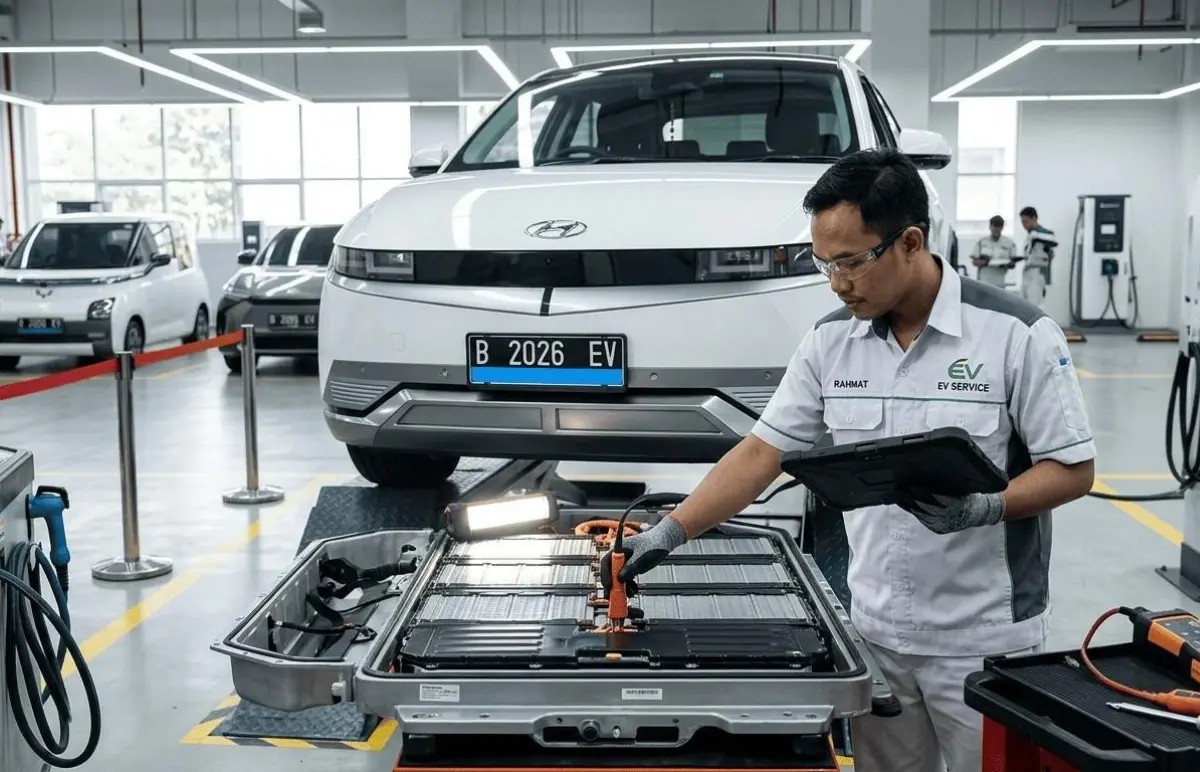
Electric Car Battery Replacement Cost
| Vehicle Segment | Battery Capacity | Estimated Cost |
| Small EVs | 17-25 kWh | ₹3 lakh-₹5 lakh |
| Compact SUVs | 30-40 kWh | ₹5 lakh-₹8 lakh |
| Mid-size SUVs | 45-60 kWh | ₹7 lakh-₹10 lakh |
| Premium EVs | 70-100+ kWh | ₹12 lakh-₹20 lakh+ |
For example:
| Vehicle | Estimated Battery Cost |
| MG Comet EV | ₹3-4 lakh |
| Tata Tiago EV | ₹4-5 lakh |
| Tata Punch EV | ₹5-6 lakh |
| Tata Nexon EV | ₹6-8 lakh |
| Mahindra BE 6 | ₹8-10 lakh (estimated) |
| Hyundai Creta Electric | ₹7-9 lakh (estimated) |
These figures are indicative and can vary depending on the battery variant, labour charges, taxes, and future battery prices.
Why is an EV Battery So Expensive?
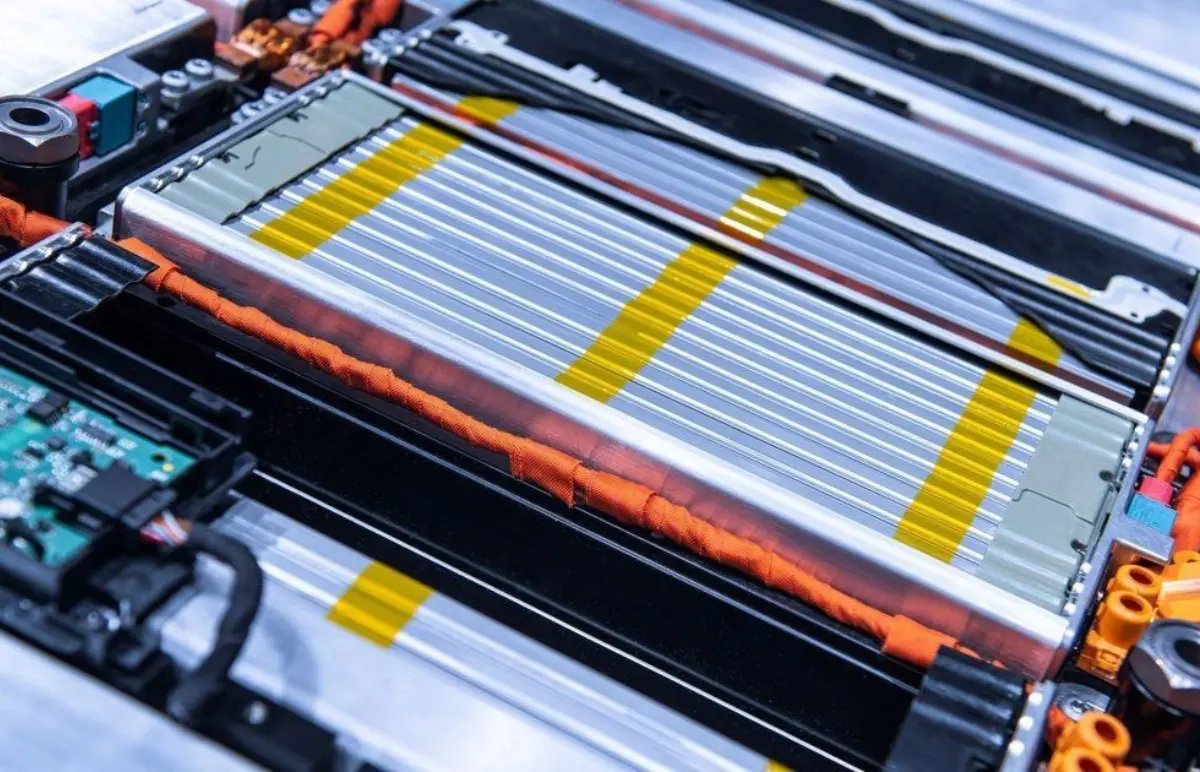
The electric vehicle depends and runs on the battery, which makes it quite expensive. An electric vehicle battery consists of various components such as, thousands of lithium-ion cells, cooling system, battery casing, high-voltage wiring, battery management system, safety protection modules, and more.
The addition of various components makes the battery expensive and costs 30 to 45% of the vehicle. The EV battery also uses expensive raw materials like, lithium, nickel, cobalt, manganese, graphite, and more. Another factor adding to the expense of the EV battery is the requirement of advanced technology, quality control, and more.
What Factors Affect EV Battery Replacement Cost?
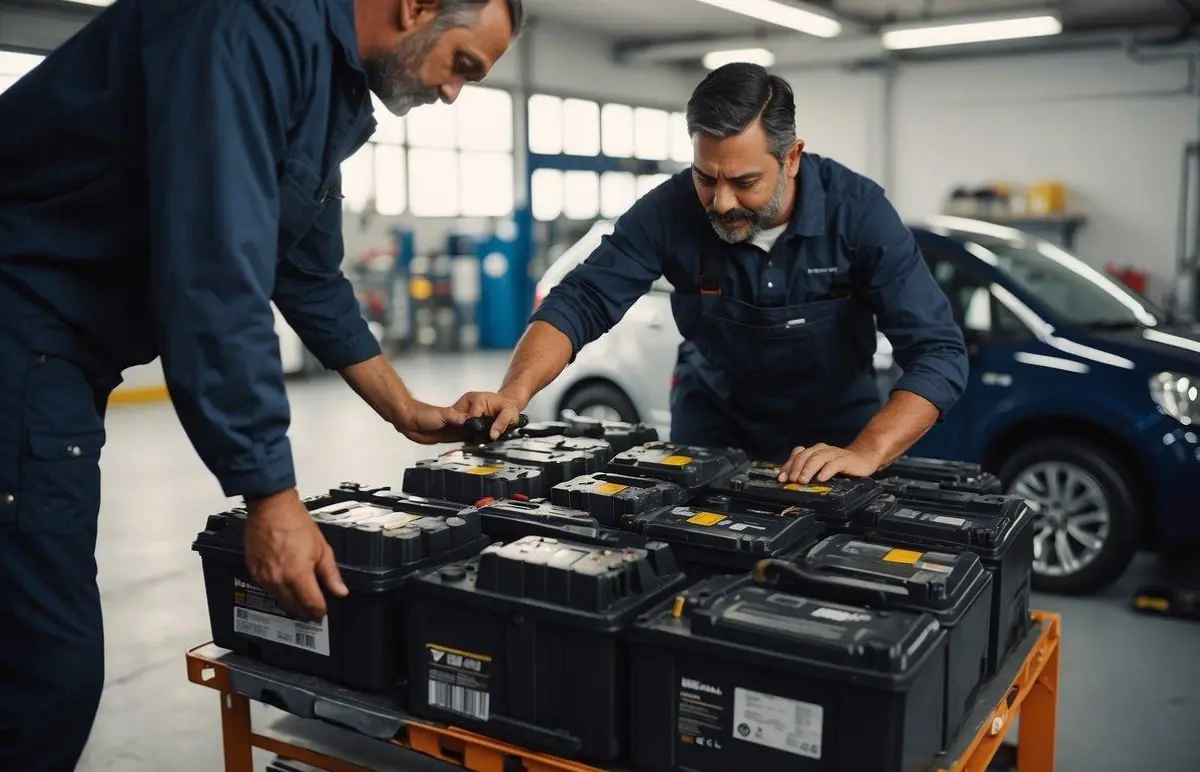
1. Battery Capacity: A larger battery stores more energy and costs more to replace. For example, a 25 kWh battery costs much less than a 70 kWh battery. So, more battery cells mean higher manufacturing costs.
2. Battery Chemistry: Different battery technologies have different costs. Common types include lithium Iron Phosphate (LFP) and nickel Manganese Cobalt (NMC). LFP batteries are generally more affordable, have longer cycle life, and offer better thermal stability. NMC batteries usually provide higher energy density but can be more expensive.
3. Vehicle Brand: Every manufacturer has its own pricing structure. Premium brands generally have higher battery replacement costs because of, larger battery packs, advanced cooling systems, and higher-performance cells
4. Import Costs: Some battery packs or components are imported. Exchange rates, customs duties, and logistics can affect replacement prices.
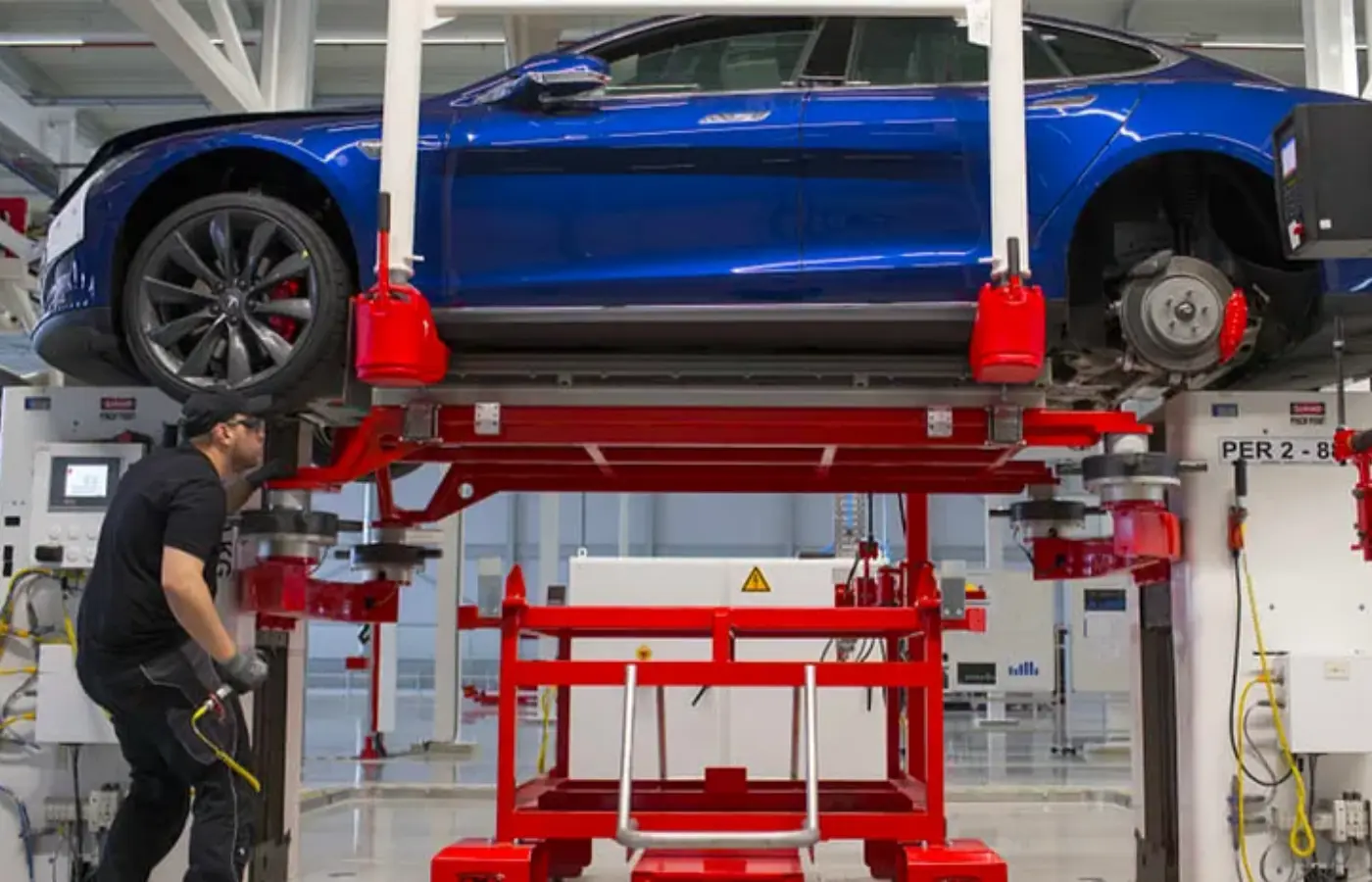
5. Labour and Service Charges: Battery replacement is a specialised job that requires high-voltage safety procedures, diagnostic testing, software calibration, and battery certification. Labour costs vary by manufacturer and service centre.
Do You Need to Replace the Entire Battery Pack?
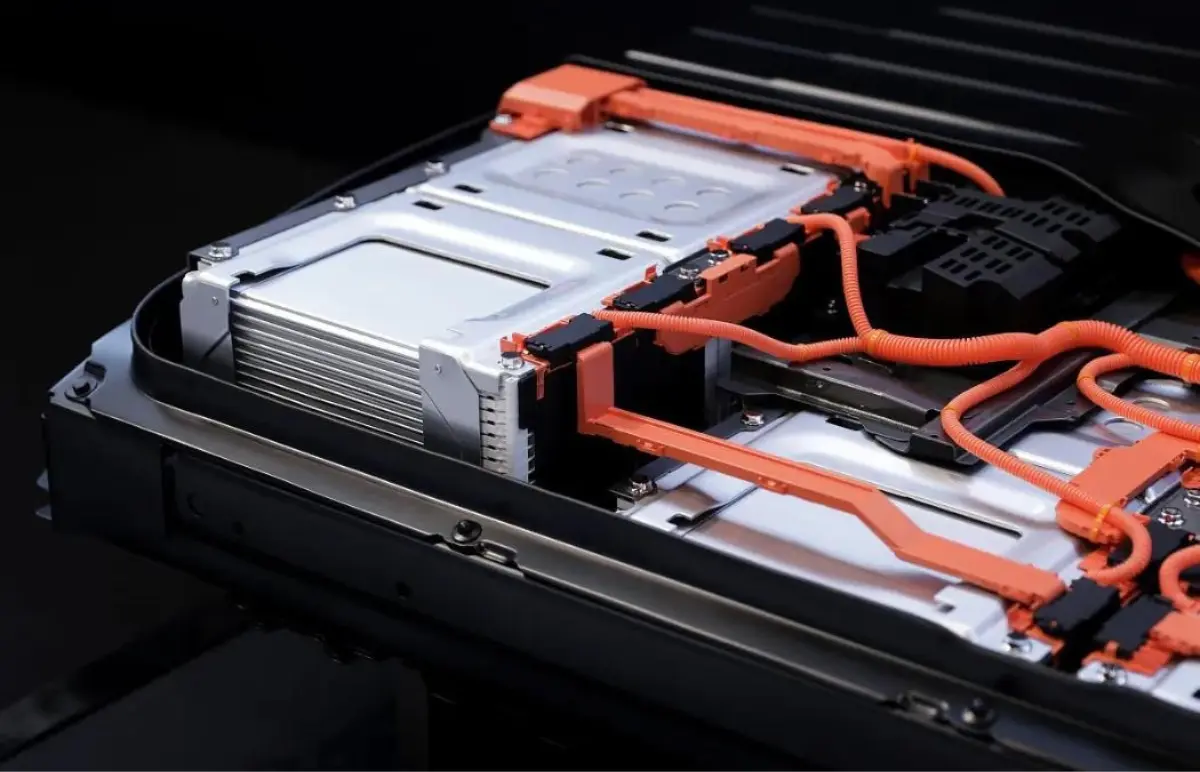
Not always. Many battery issues involve only a few defective modules or cells rather than the complete pack. In some cases, manufacturers can replace:
- Individual battery modules
- Faulty battery management components
- Cooling system parts
Module-level repairs can significantly reduce repair costs compared to replacing the entire battery pack. However, repair options depend on the manufacturer's service policy and the condition of the battery.
Also check: EV Battery Calibration Explained: Why Your Range Dropped & How to Fix It
EV Battery Life & Warranty in India
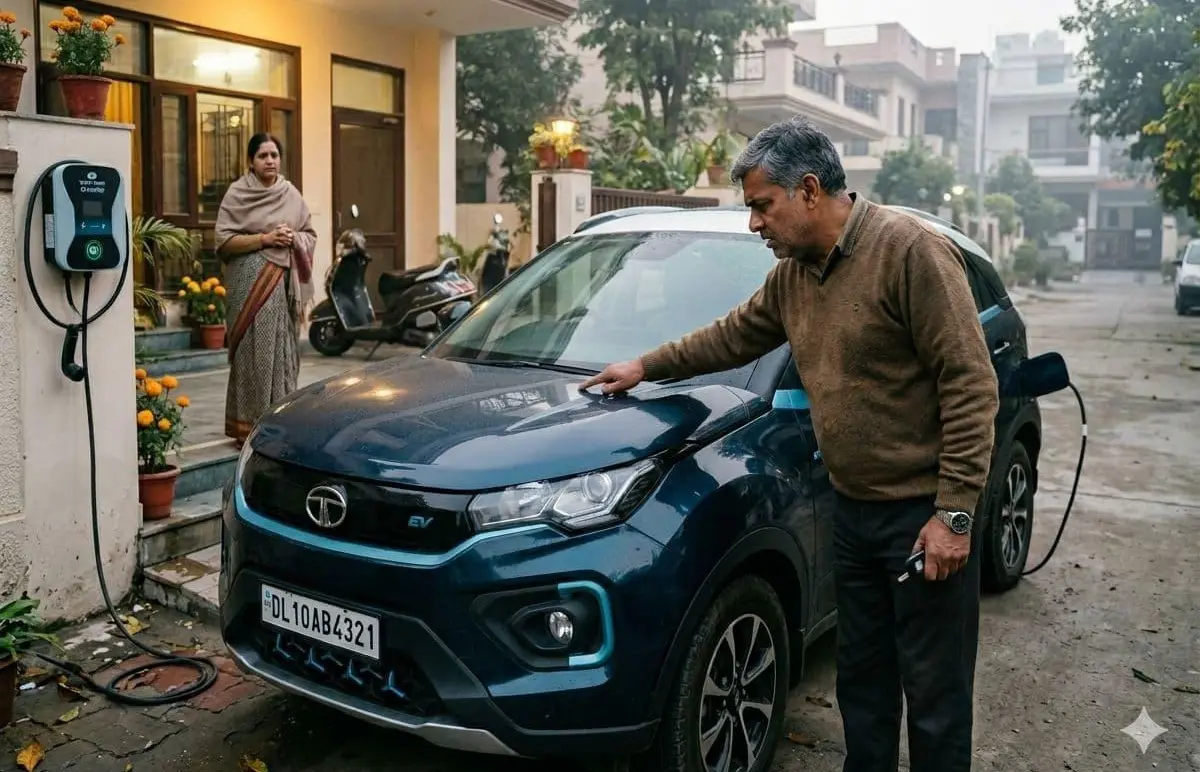
The modern and advanced electric vehicle batteries last longer than expected. The lifespan of any electric vehicle is around 8-15 years, 1,50,000 to 3,00,000 km, depending on the usage, battery chemistry, maintenance, brand, and more. Electric batteries do not stop working suddenly but their power and capacity loses with time affecting their working.
Considering EV battery warranty, various manufacturers and brands offer different kinds of policies with their terms and conditions. But a general warranty provides 3-8 years of warranty coverage for electric scooters, and for electric cars, 8 years or 1,60,000 km. The basic battery warranty covers manufacturing defects, premature battery failure, capacity loss and more. The final battery coverage depends on the type of warranty the EV owner has and the final terms and conditions of the policy or warranty.
Signs Your EV Battery May Need Attention
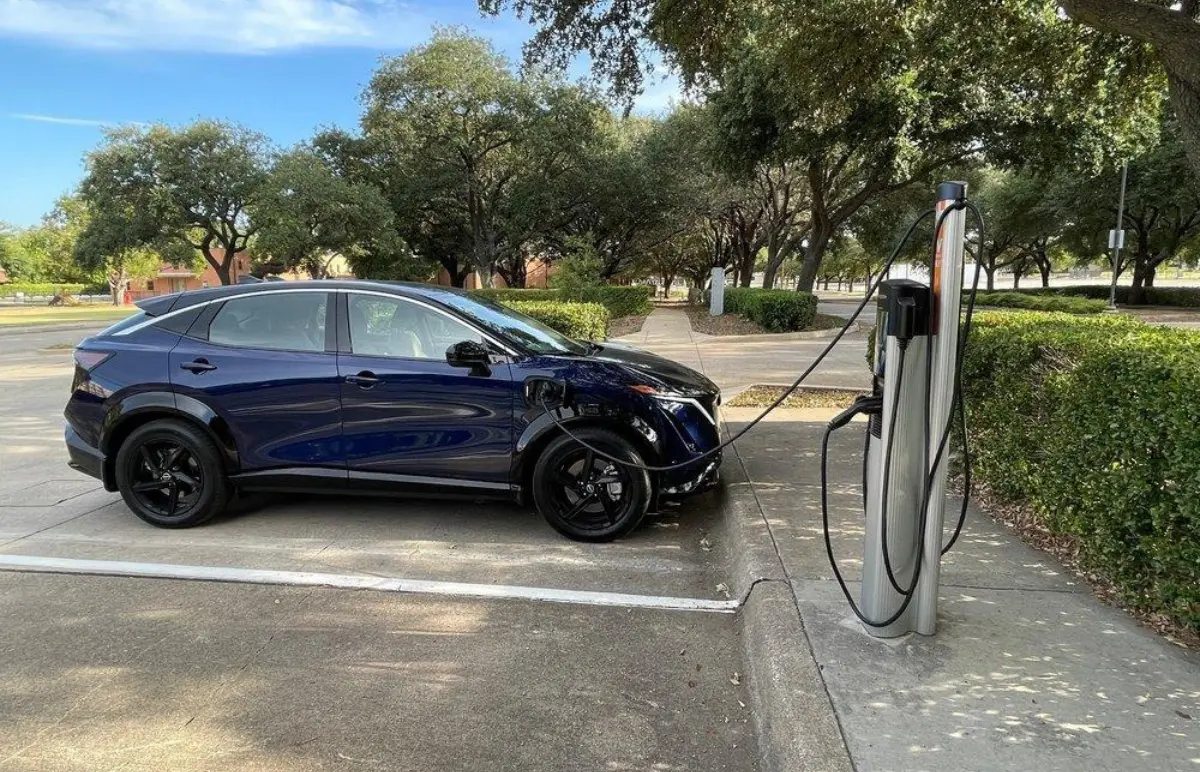
Watch for these warning signs:
- Noticeable reduction in driving range
- Slower charging than usual
- Frequent warning lights
- Vehicle entering reduced performance mode
- Battery overheating
- Unexpected shutdowns
If you notice these symptoms, it's advisable to visit an authorised service centre for a battery health diagnosis.
Will EV Battery Replacement Become Cheaper?
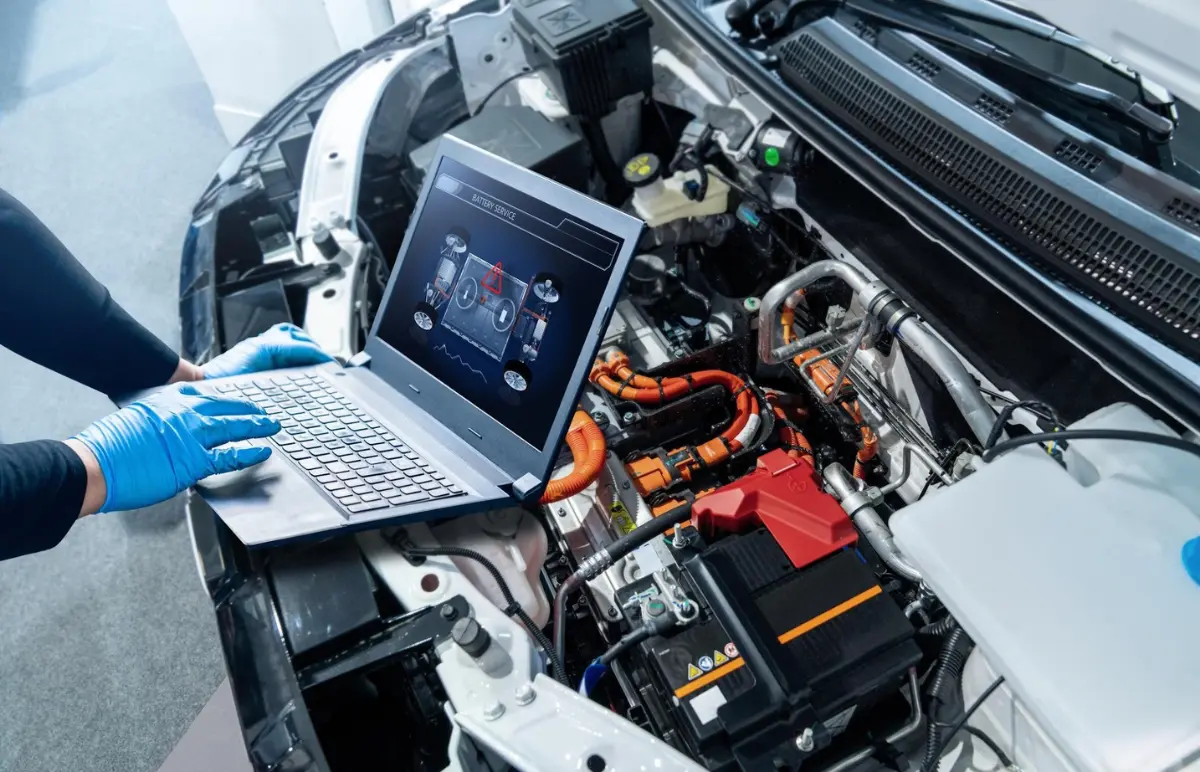
Industry trends suggest that battery costs are expected to continue declining over the coming years due to:
- Increased domestic battery manufacturing
- Expansion of gigafactories
- Improved battery technologies
- Better recycling processes
- Economies of scale
As battery production grows in India and globally, replacement costs are likely to become more affordable over time.
How to Increase EV Battery Life?
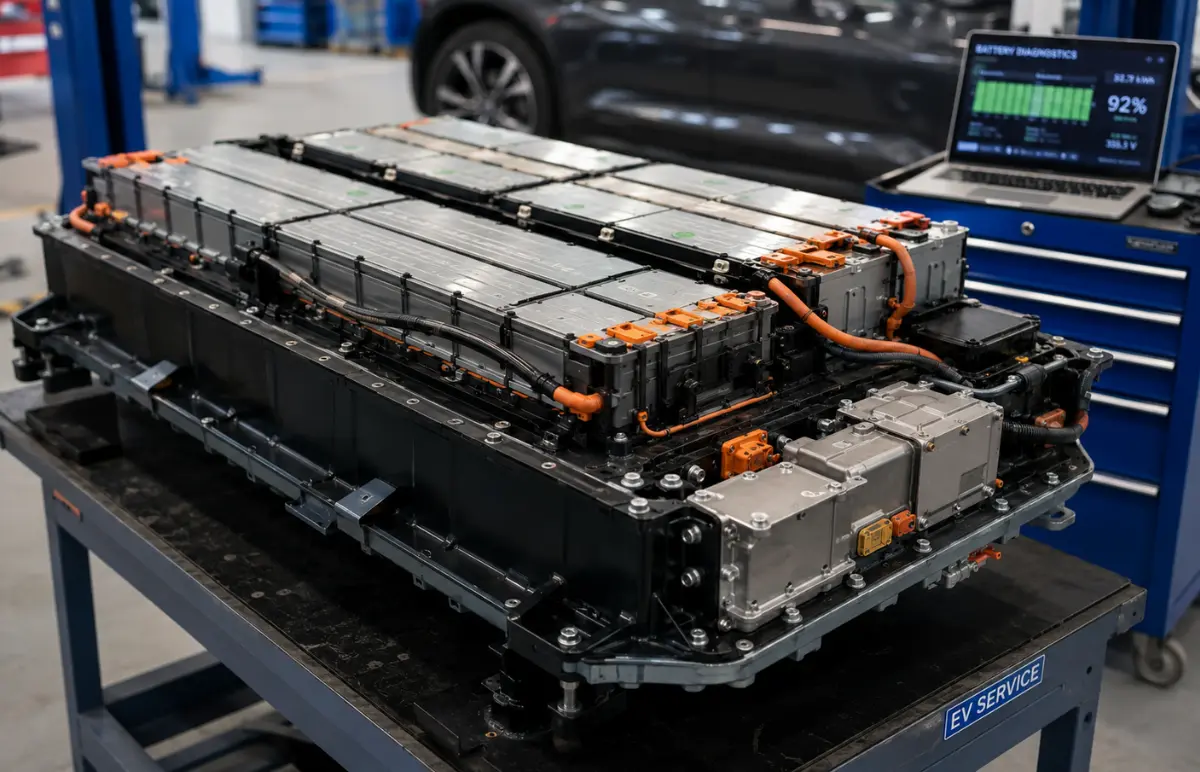
There are various factors and healthy charging habits which can help you to increase and maintain a good life of your EV battery:
- Keep the battery of your EV between 20 to 80%.
- Avoid overcharging the EV battery to 100%. Also do not let the battery come down to 0%.
- Avoid frequent DC fast charging, and use AC charging for daily use.
- DC fast charging is recommended for long trips but still generates heat.
- Park your Electric Vehicle under shades during summers, and in moderate temperature during winters.
- Follow up with scheduled service and check your electric vehicle.
- Manufacturers release timely software updates, so follow it for better battery management, charging behaviour, thermal control, and more.
- Use the manufacturer recommended or provided EV charger only.
Final Verdict
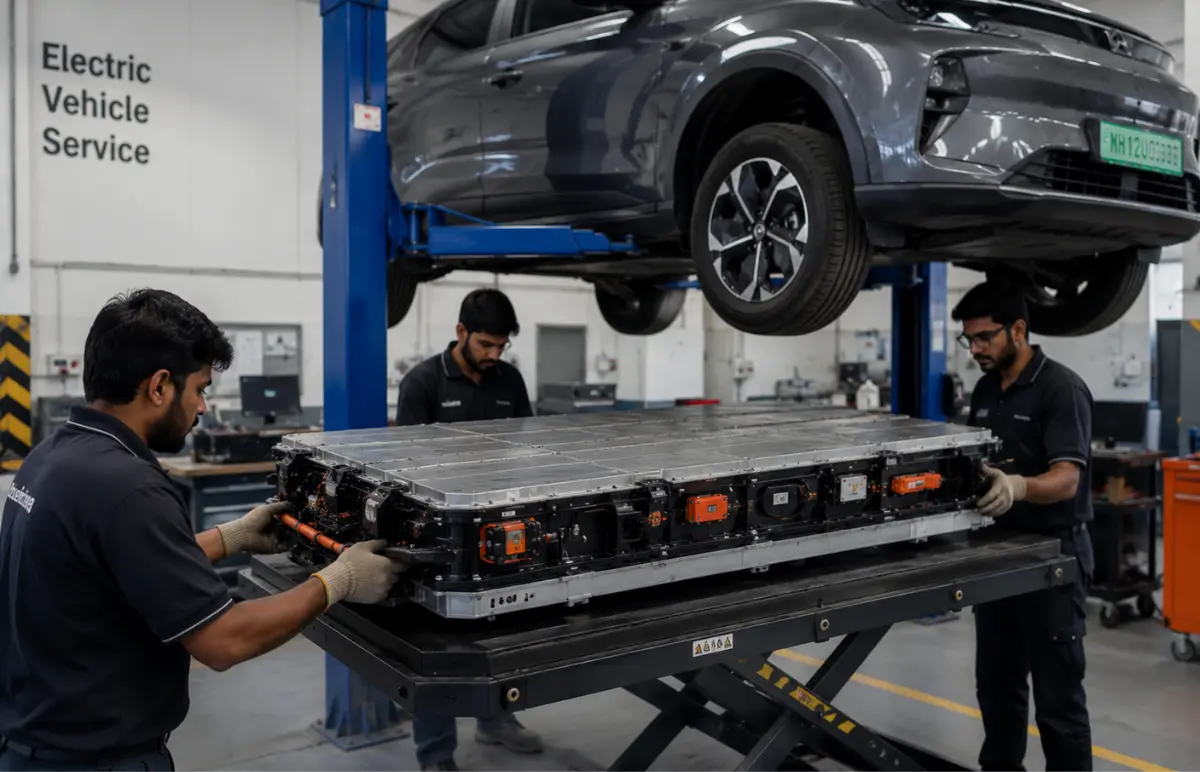
EV battery life and battery replacement remains the biggest concern of the buyer, but to clear the myth that buying an EV due to its low battery life and heavy cost of replacement, we have stated facts that now modern EVs last longer than expected. With modern and advanced technology, electric vehicle batteries are made up of better components, and the manufacturers offer a warranty to safeguard the batteries. Now, in very rare cases, EV batteries need to be replaced. Also if the EV owners maintain their vehicle and keep the battery healthy by following necessary precautions, then the long life of the battery is guaranteed.