EV Insurance Explained: Battery Cover, Flood Claims, Charger Protection & Best Add-ons (2026 Guide)
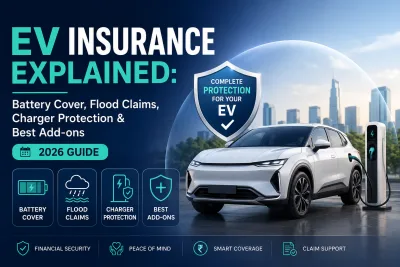
India's electric vehicle (EV) market is expanding rapidly. With more people buying electric cars than ever before, another important question is becoming increasingly relevant, does EV insurance cover everything that matters?
Many first-time EV buyers assume that insurance for an electric car is the same as insurance for a petrol or diesel vehicle. While the basics remain similar, electric vehicles have expensive components such as the battery pack, electric motor, charging equipment, and high-voltage electrical systems. These require a better understanding of what your insurance policy actually covers.
A battery replacement alone can cost anywhere between ₹3 lakh and ₹12 lakh, depending on the vehicle. Flood damage, charger theft, electrical failures, and roadside charging assistance are also concerns unique to EV ownership. This guide explains everything you need to know about EV insurance in India, including battery damage coverage, flood claims, charger protection, important add-ons, exclusions, and tips to choose the right policy.
All About EV Insurance
EV insurance is a motor insurance policy specially designed for electric vehicles. It provides financial protection against damages caused by accidents, natural disasters, theft, fire, vandalism, and third-party liabilities. Like conventional vehicle insurance, EV insurance is available in two forms:
Third-Party Insurance
This is mandatory under Indian law. It covers:
- Damage caused to another person's vehicle
- Injury or death of third parties
- Property damage caused by your EV
However, it does not cover damage to your own electric vehicle.
A comprehensive EV insurance policy includes:
- Own damage cover
- Third-party liability
- Theft protection
- Fire damage
- Natural calamities
- Man-made disasters
Most EV buyers choose comprehensive insurance because electric vehicles are expensive to repair.
What Types of Damage Does EV Insurance Cover?
Buying a comprehensive EV insurance policy is one of the smartest decisions you can make after purchasing an electric car. A comprehensive electric car insurance policy is designed to protect you against these financial risks. However, not every type of damage is covered. The scope of coverage depends on the insurer, the policy you choose, and any add-ons you purchase. Understanding what is included, and what isn't, can help you avoid unpleasant surprises during a claim. Here's a detailed look at the different types of damage that are generally covered under EV insurance in India.
1. Accident Damage
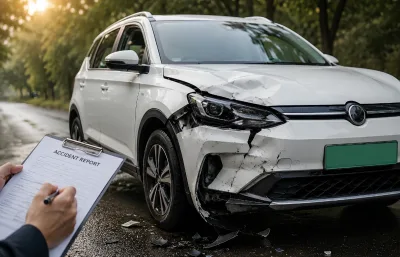
Road accidents are among the most common reasons for insurance claims. Whether your EV collides with another vehicle, hits a roadside object, or is damaged due to another driver's mistake, a comprehensive electric vehicle insurance policy generally covers the repair costs. In most cases, accident coverage includes damage to:
- Battery pack (if damaged due to the impact)
- Electric motor
- Charging port
- Power control unit
- Body panels
- Doors and bumpers
- Headlights and taillights
- Suspension
- Windshield and windows
- Electrical wiring and sensors
Since EVs rely heavily on electronic systems, even a minor accident may require specialised diagnostics and repairs. These repairs are often more expensive than those for petrol or diesel vehicles. That's why comprehensive coverage is highly recommended over third-party insurance.
If the repair cost exceeds the vehicle's Insured Declared Value (IDV) or the vehicle is considered beyond economical repair, the insurer may declare it a total loss and compensate you according to the policy terms.
2. Battery Damage
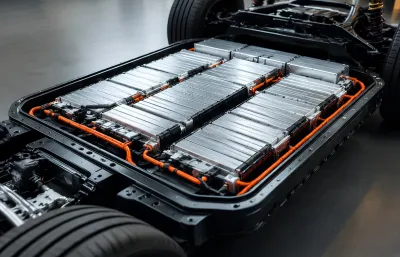
The battery pack is the most valuable component of an electric vehicle and can account for nearly one-third to half of the car's total cost. Replacing an EV battery can cost anywhere from a few lakh rupees to over ₹10 lakh, depending on the vehicle model. This makes EV battery insurance one of the most important aspects of an insurance policy.
A comprehensive policy generally covers battery damage if it is caused by an insured event, such as:
- Road accidents
- Fire or explosion
- Theft
- Flood or water damage
- Lightning
- Falling trees or heavy objects
- Natural disasters
- Vandalism or malicious acts
However, it's equally important to know what battery insurance does not cover. Most insurers exclude:
- Normal battery ageing
- Gradual reduction in battery capacity
- Manufacturing defects
- Wear and tear due to regular usage
- Damage caused by poor maintenance
- Unauthorised repairs or modifications
For additional protection, many insurers now offer a Battery Protect Add-on, which provides enhanced coverage against battery-related risks that may not be included in a standard policy. If you're buying a new EV, this add-on is worth considering.
3. Flood and Water Damage
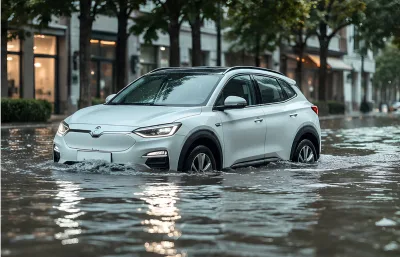
One of the biggest concerns among EV buyers in India is whether an electric car can survive floods and heavy rains. Fortunately, modern electric vehicles are built with water-resistant battery packs and sealed electrical systems that meet strict safety standards. A comprehensive EV insurance policy generally covers damage caused by:
- Floods
- Heavy rainfall
- Waterlogging
- Cyclones
- Flash floods
- Storm-related water damage
If floodwater damages the battery, motor, wiring, or electrical components, the insurer may approve the claim after inspection, provided the incident falls within the policy conditions. However, insurance companies also assess the circumstances of the incident. For example, if the vehicle was intentionally driven through a deeply flooded road despite official warnings, the claim could be rejected on the grounds of negligence.
- To improve your chances of a successful claim:
- Do not attempt to restart an EV after water immersion.
- Move the vehicle to a safe location if possible.
- Inform your insurer immediately.
- Get the vehicle inspected by an authorised service centre.
4. Fire Damage
Although electric vehicles are designed with multiple safety systems, they are still vulnerable to accidental fires, just like conventional vehicles. Fire can damage not only the battery but also the motor, wiring, and electronic control units.
Most comprehensive electric car insurance policies cover fire damage caused by:
- Electrical short circuits
- External fire
- Lightning strikes
- Explosion
- Self-ignition (subject to policy wording)
If the fire results in damage to the battery pack or high-voltage electrical components, the insurer usually covers repair or replacement costs after assessing the extent of the damage. It's important to note that deliberate damage or incidents arising from illegal modifications may not be covered under the policy.
5. Theft Cover
Vehicle theft is another major risk that comprehensive EV insurance in India protects against. If your electric car is stolen and cannot be recovered, the insurer compensates you based on the Insured Declared Value (IDV) mentioned in the policy.
In addition to the vehicle itself, some insurers also provide coverage for:
- Portable EV charger
- Charging cable
- Factory-fitted accessories
- Standard electronic equipment
However, these accessories may only be covered if they are declared at the time of purchasing the policy. To file a theft claim, insurers generally require:
- An FIR lodged with the police
- Vehicle registration documents
- Insurance policy details
- Keys (if available)
- Other documents requested by the insurer
- Keeping all vehicle documents updated can help speed up the claim process.
6. Charger and Charging Cable Damage
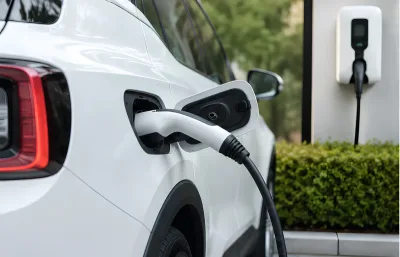
Charging equipment is an essential part of EV ownership. Whether you use a home wall-mounted charger or a portable charging unit, replacing damaged charging equipment can be expensive. Some electric vehicle insurance policies cover damage to:
- Home charging station
- Wall-mounted charger
- Portable charger
- Charging cable
- Charging connector
However, this protection is not automatically included in every policy. Many insurers offer charger protection as an accessory cover or an optional add-on. Before buying an insurance policy, check whether:
- The home charger is covered.
- Charging cable theft is included.
- Accidental damage to charging equipment is insured.
- Installation-related accessories are protected.
- Choosing a policy with charger coverage can help avoid unexpected expenses if your charging equipment is damaged or stolen.
7. Damage Due to Natural Disasters
Apart from floods, comprehensive EV insurance also protects your vehicle against several other natural calamities. These typically include:
- Earthquakes
- Cyclones
- Landslides
- Storms
- Hailstorms
- Lightning
- Rockfalls
- Falling trees during severe weather
Natural disasters can cause extensive damage to an electric vehicle, including broken windows, dented body panels, damaged battery packs, and electrical faults. If your vehicle is affected by such events, your insurer generally covers the repair costs, subject to policy terms and inspection. If you live in areas prone to heavy rains, coastal storms, or landslides, comprehensive insurance becomes even more important.
8. Damage Due to Man-made Events
Electric vehicles are also protected against certain human-caused incidents under a comprehensive insurance policy. Coverage generally includes damage caused by:
- Riots
- Strikes
- Vandalism
- Malicious acts
- Civil disturbances
- Terror-related incidents (where covered under policy terms)
For example, if your parked EV is damaged during a riot or vandalised by unknown individuals, the insurer may cover the repair expenses after verifying the incident.
These situations are uncommon but can result in significant repair costs, making this coverage an important part of a comprehensive electric car insurance policy.
What Does EV Insurance Not Cover?
Even the best EV insurance policy has certain exclusions. Understanding them can help you avoid claim rejections and unexpected repair costs.
- Normal Battery Wear and Tear: Insurance does not cover the natural ageing or gradual loss of battery capacity over time.
- Manufacturing Defects: Faults caused by manufacturing issues are usually covered under the vehicle manufacturer's warranty, not insurance.
- Mechanical or Electrical Failure: Failures that occur without an accident, fire, flood, or any insured event are generally excluded.
- Illegal Modifications: Damage caused due to unauthorised modifications or aftermarket electrical changes is not covered.
- Driving Without a Valid Licence: Claims may be rejected if the driver does not have a valid driving licence.
- Driving Under the Influence: Damage caused while driving under the influence of alcohol or drugs is excluded.
- Consequential Losses: Additional damage caused by negligence, such as driving a flood-damaged EV or ignoring warning signs, is not covered.
Tip: Always read the policy's exclusions carefully before buying electric vehicle insurance to understand exactly what is and isn't covered.
Important Add-ons You Should Buy
Standard insurance may not provide complete protection. These add-ons offer better coverage for EV owners.
- Battery Protect Cover: Provides additional protection for battery-related damage, especially due to water ingress or electrical issues, depending on the insurer.
- Zero Depreciation Cover: Ensures you receive the full cost of replaced parts without depreciation deductions, reducing your out-of-pocket expenses.
- Roadside Assistance: Offers services such as towing, flat tyre assistance, emergency support, and in some cases, charging assistance if your battery runs low.
- Return to Invoice Cover: If your EV is stolen or declared a total loss, this add-on reimburses the original invoice value instead of just the depreciated insured value.
- Consumables Cover: Pays for consumable items like brake fluid, grease, nuts, bolts, and coolants that are normally excluded from standard claims.
Why is EV Insurance Different from Regular Car Insurance?
Although both policies follow similar principles, EV insurance considers several components that do not exist in ICE (Internal Combustion Engine) vehicles. EV Insurance include:
- High-voltage lithium-ion battery
- Electric motor
- Power electronics
- Charging port
- On-board charger
- Portable charger
- Charging cable
These components significantly increase repair costs, making insurance even more important.
Conclusion
Electric vehicles have lower running costs, but repairing them can be expensive because of their advanced electrical systems and high-cost battery packs. That's why choosing the right insurance policy is just as important as choosing the right EV. A good comprehensive policy should protect your vehicle against accidents, battery damage, floods, fire, theft, natural disasters, and charger-related losses.
Adding features like Battery Protect, Zero Depreciation, and Roadside Assistance can further reduce unexpected expenses. Before buying any policy, always compare coverage, understand the exclusions, and select add-ons that match your driving needs. Spending a little more on the right insurance today can save you from major repair costs in the future.