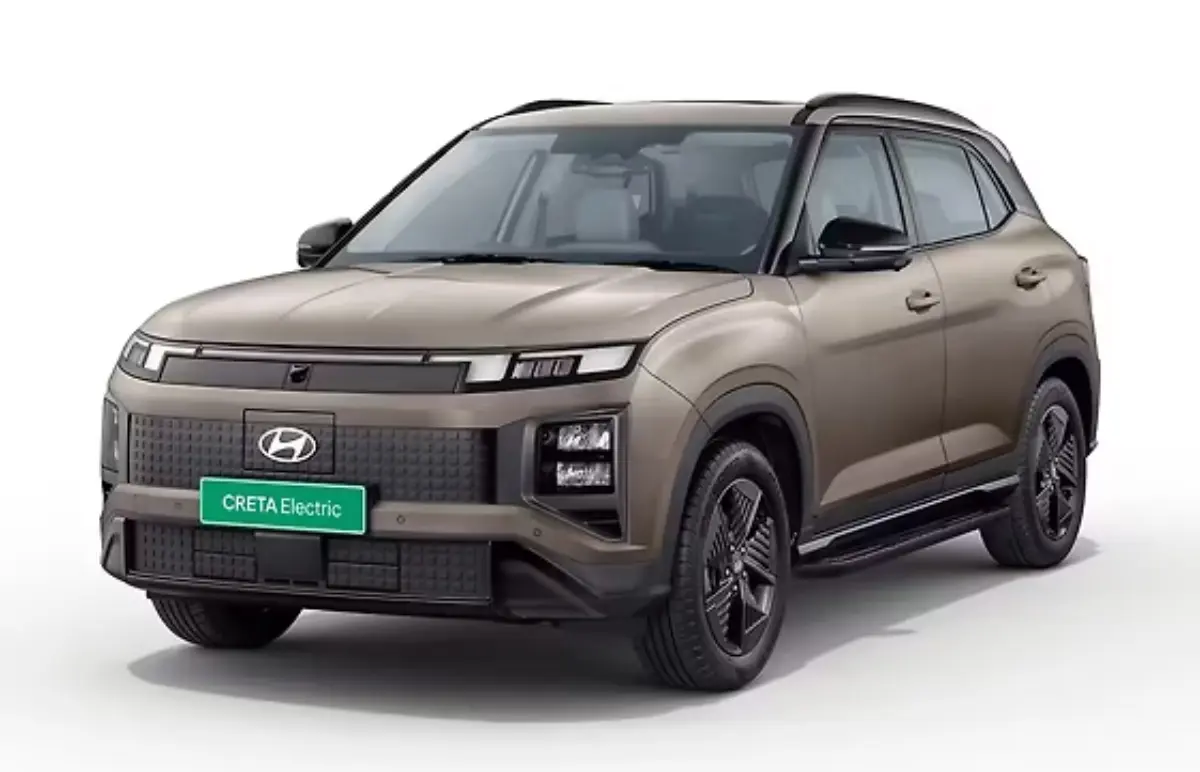
EVs Vs Elevation | How to Drive your EV on Mountains?
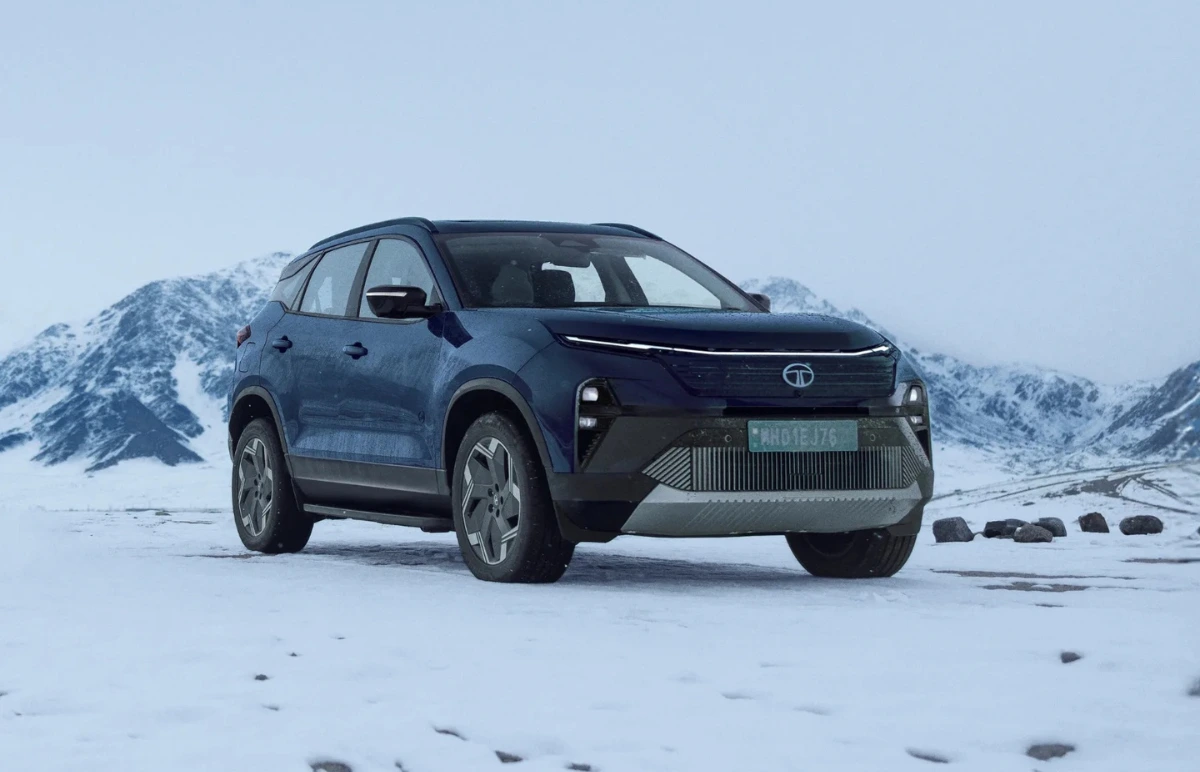
If you are planning to take your electric car to the mountains, you might be thinking how the battery performs in steep inclines and chilly weather. As many new EV consumers are searching for how to drive an EV effectively on mountains, EV elevation range, and how regenerative braking works downhill?
Thus driving an EV on a mountain is completely a different experience than a conventional ICE car. Our AllAboutEVs team has analysed this and came with a proper technique such as how to master both uphill and downhill driving in your EV?
Conquering the Uphill Climb
The biggest anxiety for an EV consumer here is the sudden range drop while driving through a steep ascent. According to various real-world tests of 2,600-foot elevation climb, it is obvious that while driving uphill, the battery will consume more energy and expect your range efficiency to drop by 30-50% as compared to the flat highway driving.
.webp)
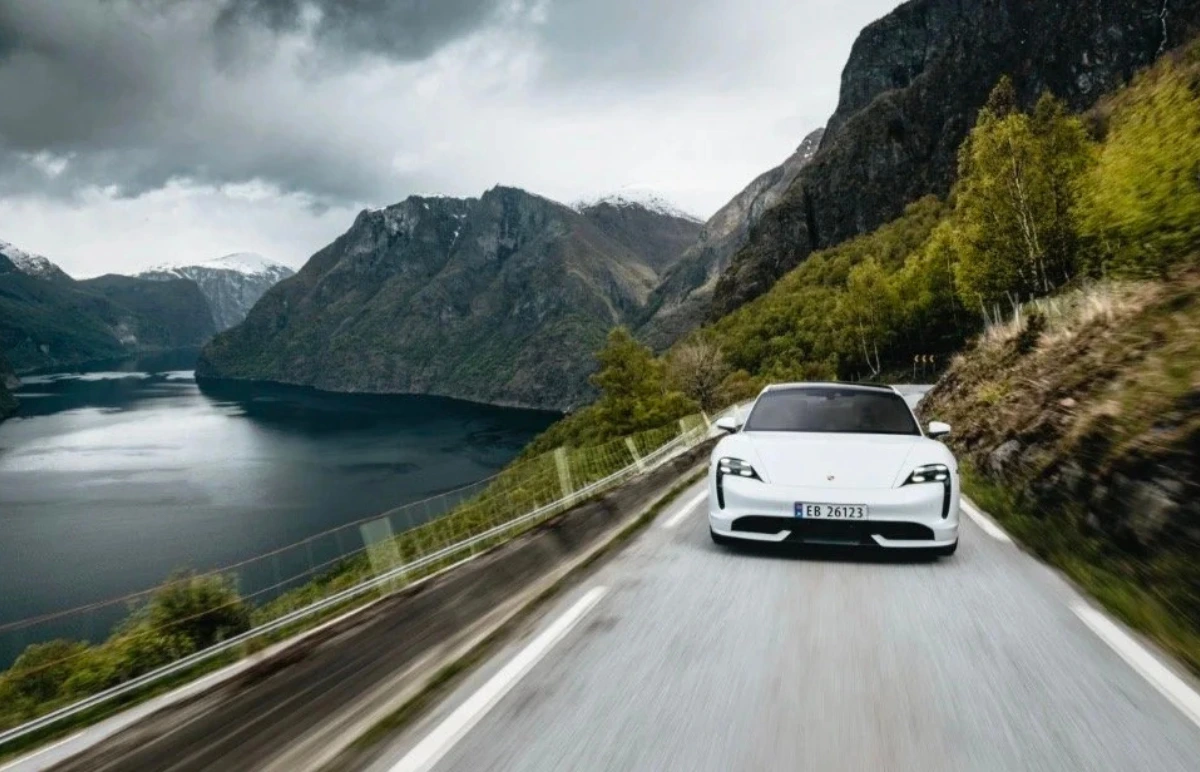
However, unlike the conventional ICE cars that loses its power as the mountain air thins, an EVs dual-motor setup generates exceptional power without hesitation and provides perfect traction irrespective of the more height while driving uphill.
How to Drive It?
- Use Cruise Control: Turn on the cruise control to keep your EVs speed consistent. Let the car’s computer manage the constant power output.
- Practice Zone Heating: Don’t overuse the cabin-heater, instead you can use heated seats and heated steering wheel functions. This saves a massive amount of battery, especially if your EVs range is less.
- The 50% Rule: Strive to achieve your mountain summit with a battery level of at least 50% SOC. This gives you enough energy to encounter obstacles on the mountain like snow, boulders, and potholes (These force the car to work harder) or you can also keep the car heat running while parked.
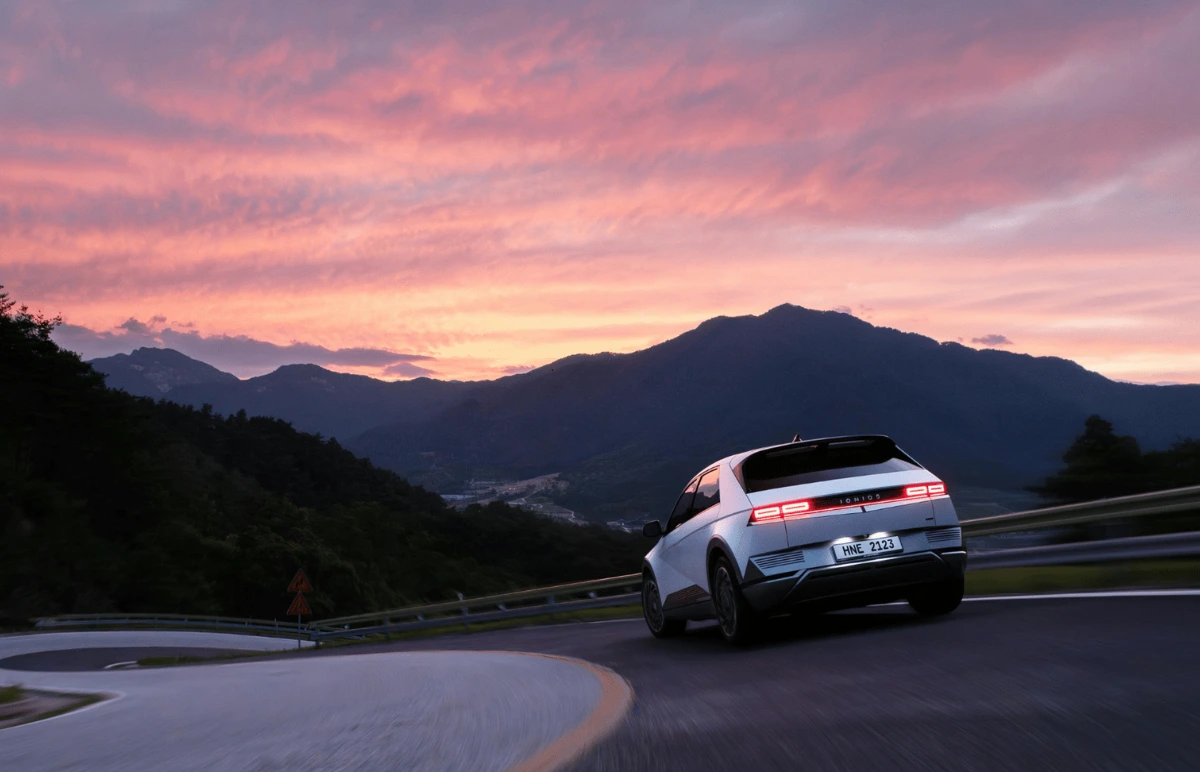
Mastering the Downhill Descent
It is a popular saying, what goes up must come down, and this is where the EV truly outshines the ICE vehicles. The regenerative braking smartly generates the energy on the descent, making the trip incredibly efficient. According to various tests, downhill driving rewards an impressive 170% of the average efficiency, resulting in 7.15 km per kWh.
How to Drive It?
- Turn Off Cruise Control: Turn off the cruise control and come back to manual driving.
- Maximise One-Pedal Driving: Use the accelerator pedal smartly to maintain the speed limit. If done accurately, you don’t need to apply the physical brakes a single time as regenerative braking takes the job here and automatically applies brakes, while restoring energy.
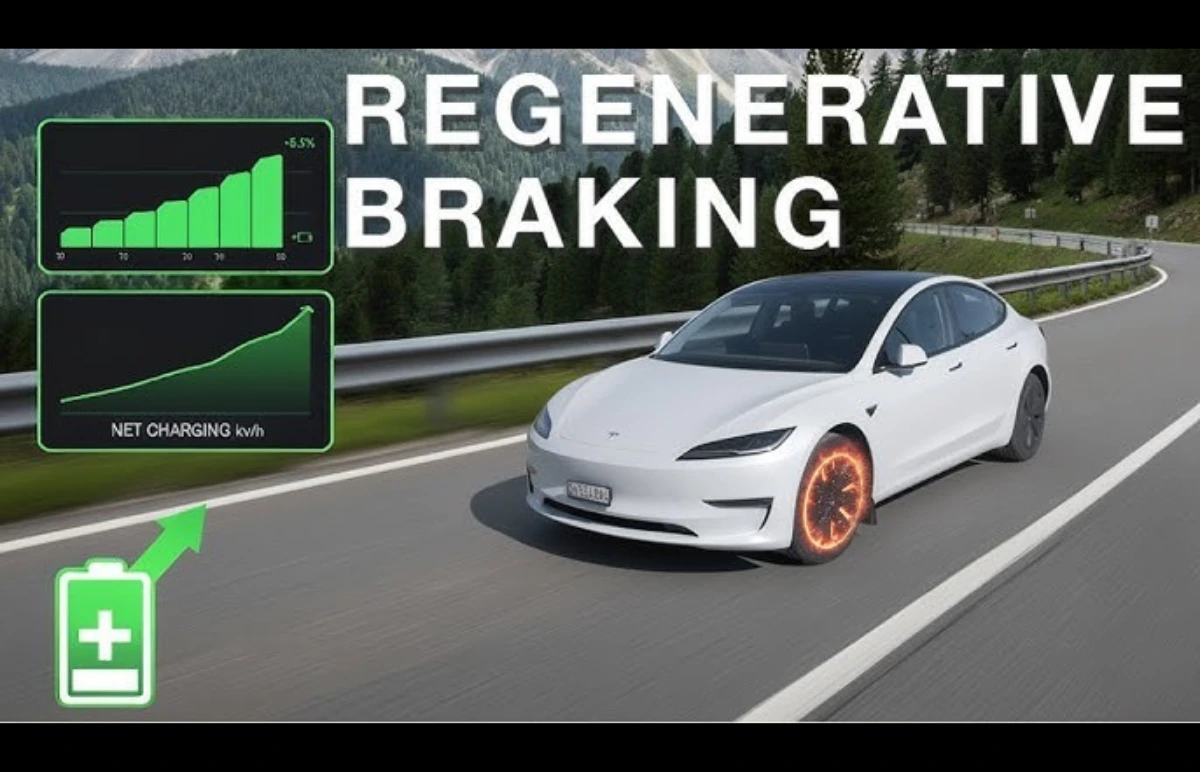
- Let Regen Do the Work: Don’t use physical braking, as regenerative braking does all the job here. This ensures a seamless process without overheating the brake pads, thus generating free energy back to your battery pack.
Key Strategies for Seamless Highway Driving
We have provided a summarised driving strategies from the mountain test so that you can plan your next trip perfectly:
| Driving Phase | Energy Usage | Best Driving Technique | Pro Tip |
| Uphill | High (2.7 km/kWh) | Engage Cruise Control | Use Heated Seats over cabin heating. |
| Downhill | Very Low (7.08 km/kWh) | One-Pedal Drive(Manual) | Maximise Regen & Avoid the Friction Brakes. |
| Preparation | - | Home Charging | Charge at 100% SOC at Home; Fast Charging past 80% SOC is too slow. |
The Final Verdict
Driving an EV can be a seamless experience and shouldn't cause range anxiety, if you know the proper techniques of smartly utilizing the technology and driving in an accurate manner.
The EVs provide you instant torque, superior traction, and absolute blessing of regenerative braking. Thus it is advisable to start your trip with a full charge from home, drive smart and enjoy the silent beast with emission free driving.