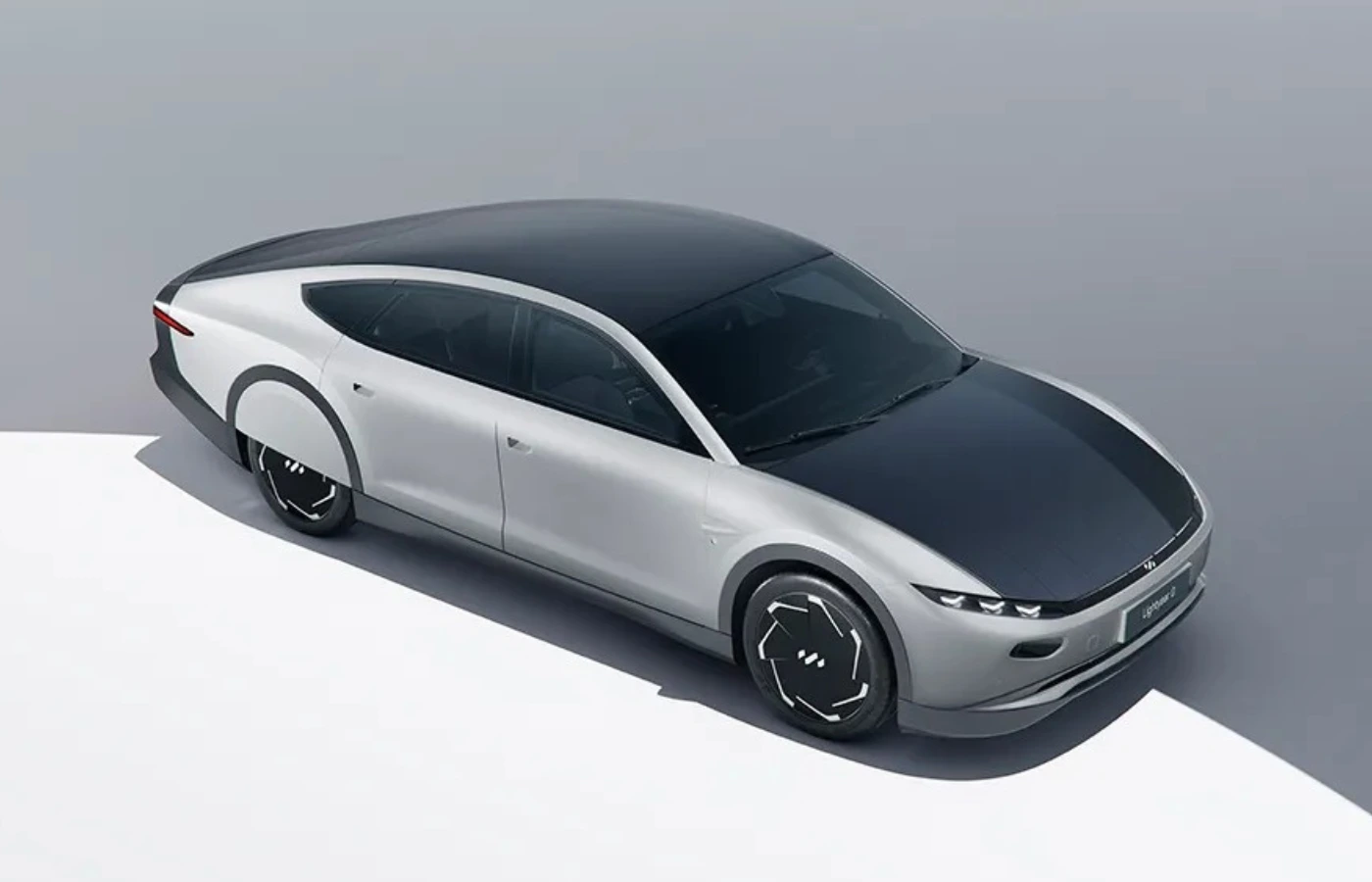
The Magnet free EV Motor That Doesn't Need Rare Earth Magnets! | The Future of Electric Cars Explained
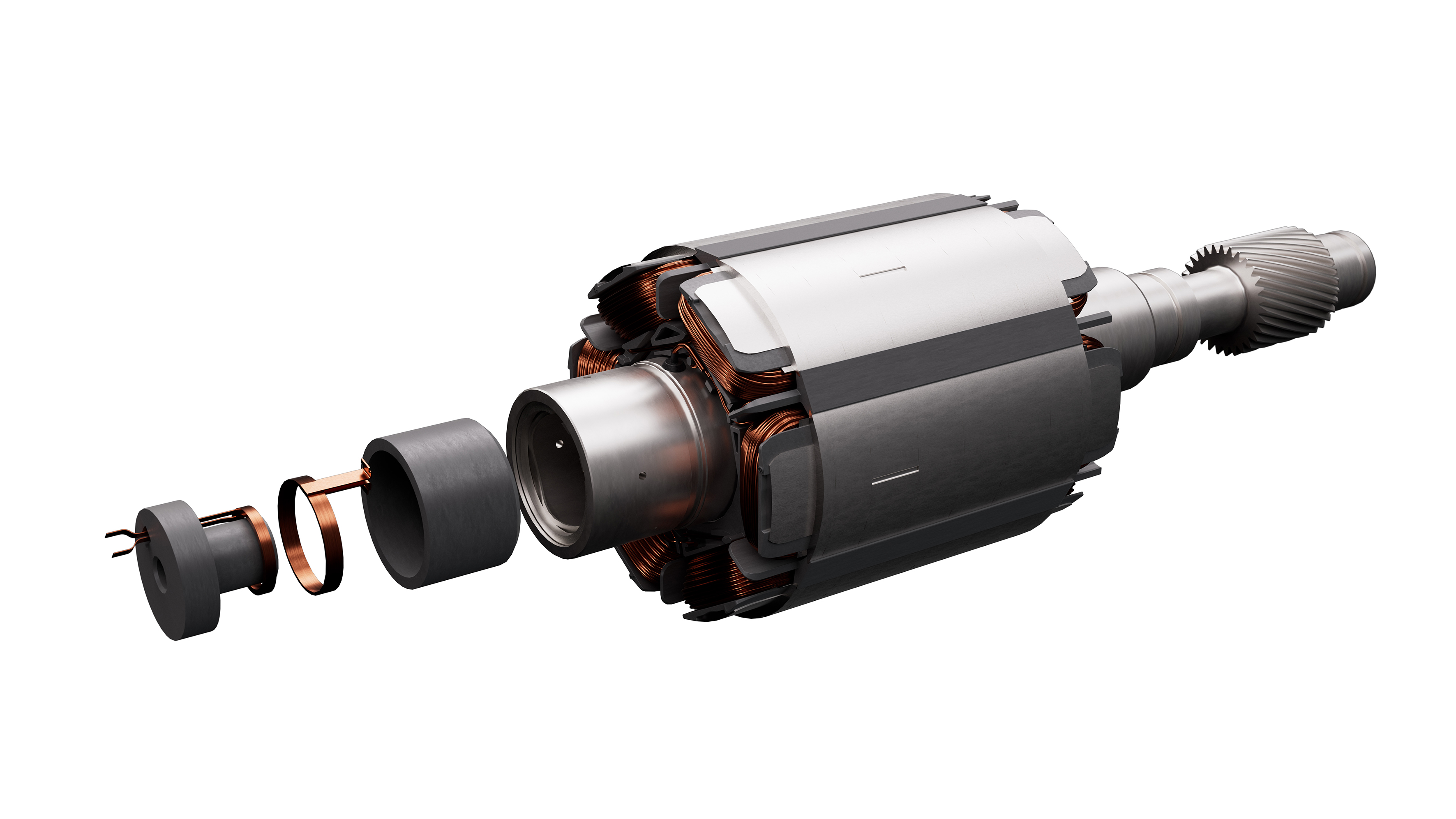
Today, a massive revolution is happening in the field of battery industry with the introduction of magnet free EV motors. Many automakers are racing ahead to develop rare earth free electric motors and mainstream its use in their electric lineup of vehicles.
The Hidden Catch in Today’s EV
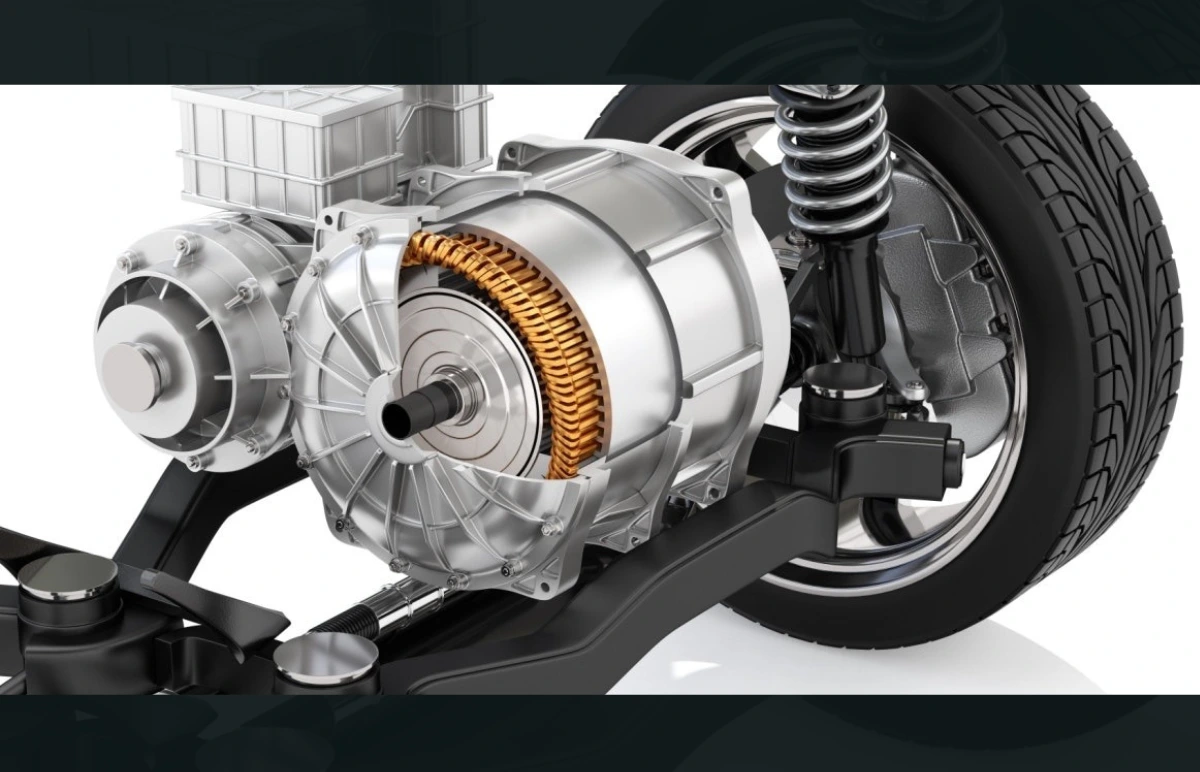
Currently, the majority of EVs are equipped with Permanent Magnet Synchronous Motors (PMSM). These motors are known for their instant torque delivery and efficiency, but one of the major cons of these batteries is that they are heavily reliant on rare-earth elements like Neodymium and Dysprosium.
While they are not completely “rare” in the earth’s crust, the process of refining them is quite toxic, and this complete process has been majorly controlled by China. This monopoly creates massive supply chain risks and inflates EV manufacturing costs.
Future EV Motor Technology
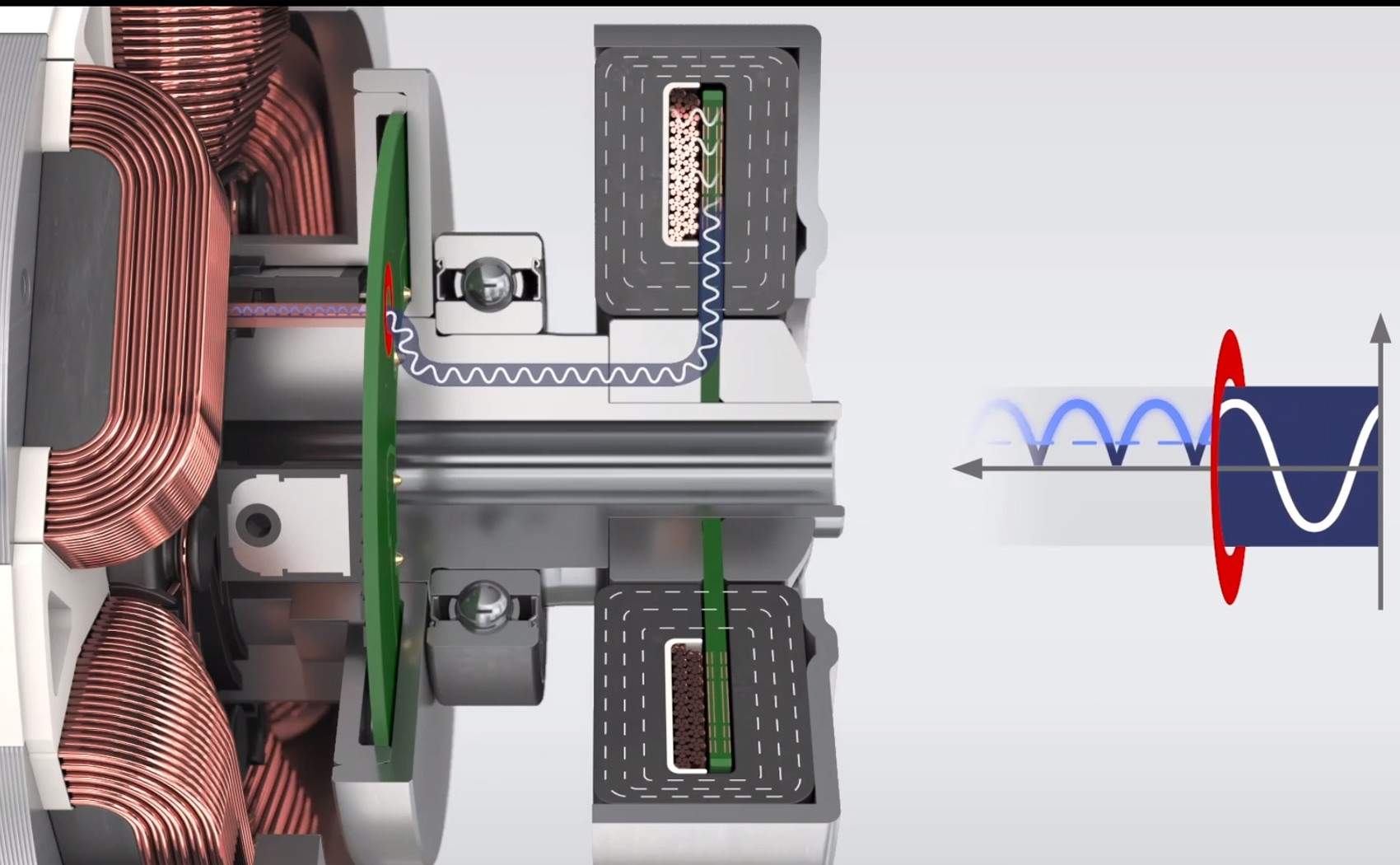
Here the most important question arises, Can an electric car run without these expensive magnets? Absolutely. This is completely possible in the reluctance motor. Instead of integrating the electric motor with permanent magnets, this design utilises specially designed engineering steel.
Thus when an electromagnetic feel is generated around the motor, the steel rotor naturally tries to align itself with, thus generating a smooth yet powerful rotation.
Why This Tech is a Game-Changer
The advantages of ditching the traditional magnets are enormous:
Supply Chain Freedom: Zero rare-earth metal usage ensures automakers are not dependent on a single nation like China for their core components.
Eco-Friendly: The mainstream use of magnet free motors will completely eliminate the highly polluting rare-earth mining process, making cars genuinely sustainable.
Heat Resistance: Traditional magnets have a high tendency of massive degradation at high temperatures, but reluctance motors are highly reliable and can handle extreme heat without sacrificing the performance.
The Road Ahead
Any engineering innovation comes with various challenges. These reluctance motors demand highly advanced software and motor controllers to manage the instant torque delivery and optimising them further to reduce noise and friction.
.webp)
Still big industry manufacturers like BMW, Mercedes-Benz, Renault & Tesla are actively working on the development of the technology and refining it for mass-market use. However, Traditional permanent magnet motors will not become obsolete, but the next innovation in the field of EVs will be the motor as your next EV could completely run on magnet-free.