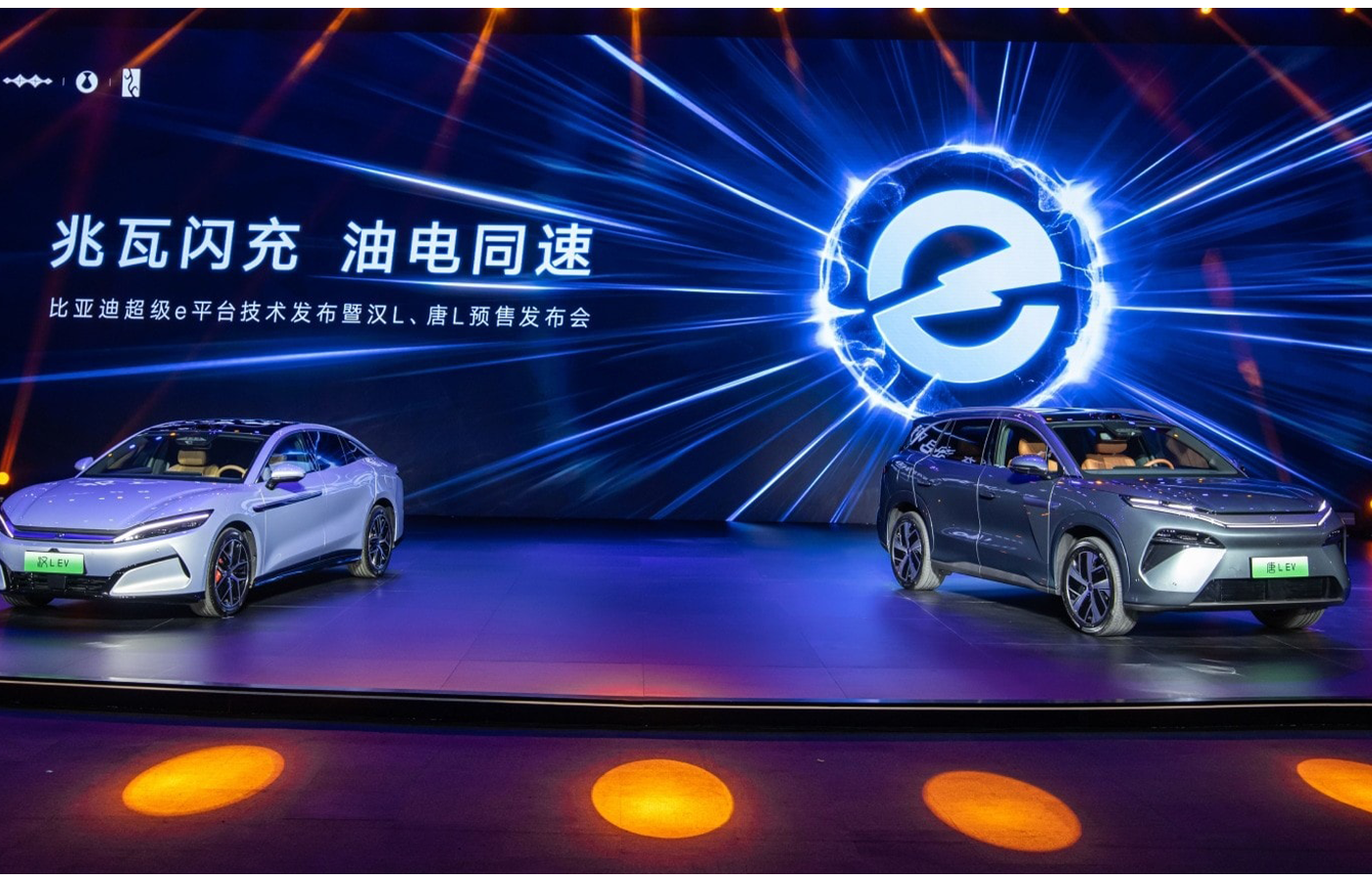
MG Hector Tomahawk EV vs Tata Harrier EV: Price, Range, Features, Performance and Key Differences
.webp)
The electric SUV market in India has entered a new era, with customers having access to larger, more powerful and more feature-rich options than ever before. Two models that stand out in this space are the MG Hector Tomahawk EV and the Tata Harrier EV. The Tomahawk EV is MG's new electric SUV built on top of the ADAPT architecture and features a 69.2 kWh LFP battery, a claimed range of 517 km and both 5- and 7-seat configurations.
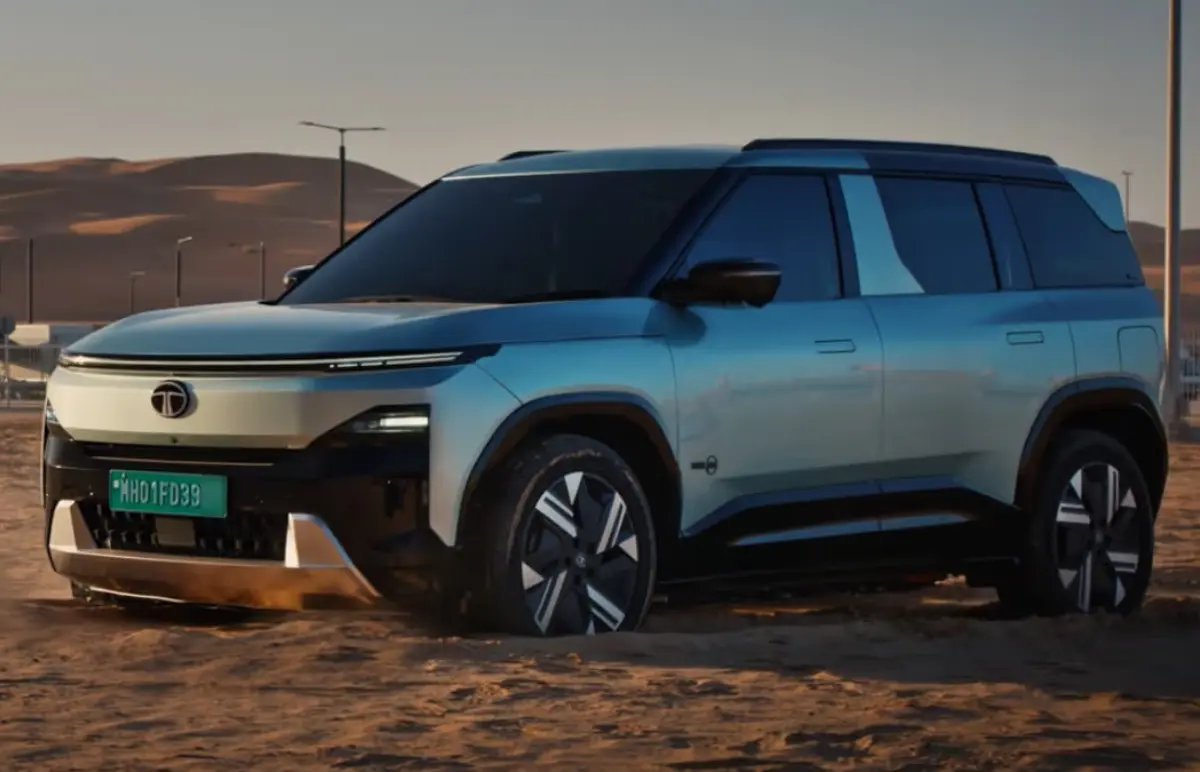
The Harrier EV is available with 65 kWh and 75 kWh battery options with the latter featuring a certified 622 km MIDC range on the QWD variant. Both SUVs cater to family buyers that want space, technology and long-distance flexibility, but they approach the requirements differently. Here is a detailed MG Hector Tomahawk EV vs Tata Harrier EV comparison that looks at price, battery, range, performance, charging, features, safety, practicality, and more.
Key Difference between MG Hector Tomahawk EV vs Tata Harrier EV
.webp)
| Basis of Distinction | MG Hector Tomahawk EV | Tata Harrier EV |
| Starting price | ₹19.49 lakh | ₹21.49 lakh |
| BaaS option | Yes | No |
| Top listed price | ₹23.49 lakh | ₹28.99 lakh |
| Battery | 69.2 kWh LFP | 65 kWh / 75 kWh |
| Certified range | Up to 517 km | Up to 627 km RWD |
| Seating | 5/7 | 5 |
| Maximum motor output | 150 kW/204 PS | 289 kW/393 PS combined on QWD |
| Torque | 310 Nm | 504 Nm QWD |
| Drive | Front-wheel drive | RWD/QWD depending on variant |
| DC charging | Up to 90 kW | Up to 120 kW QWD |
| Bharat NCAP | Not yet rated | 5 stars |
*Subject to manufacturer warranty terms and conditions.
MG Hector Tomahawk EV vs Tata Harrier EV: Price Comparison
.webp)
Price is one of the biggest differences between the two electric SUVs.The MG Hector Tomahawk EV starts from ₹19.49 lakh ex-showroom when the complete battery cost is included, with the Tomahawk EV's Essence 7S variant having a top listed price of ₹23.49 lakh. MG also offers a Battery-as-a-Service (BaaS) option, with an introductory price starting from ₹13.99 lakh and battery rental of ₹4.90 per km for a limited number of bookings.
The Harrier EV starts from ₹21.49 lakh for the Adventure 65 RWD and goes up to ₹28.99 lakh for the top QWD version based on Tata's published introductory pricing. The listed prices do not include charger and installation costs. Prices are ex-showroom and may vary. Tata's figures are based on its published introductory pricing, while MG's pricing is based on its launch announcement.
Battery and Range: Tomahawk EV vs Harrier EV
.webp)
Battery capacity is an important consideration for customers that plan to use their vehicles for regular highway travel. The MG Hector Tomahawk EV uses a 69.2 kWh LFP MAGIC Battery and permanent-magnet synchronous motor. MG claims a range of up to 517 km on a single charge. The company claims that the battery has been 'bench tested' on more than 2,000 tests and 'vehicle validated' across 490 validations.
The Harrier EV has a broader battery line-up with Tata offering 65 kWh and 75 kWh battery packs. According to Tata's current EV support information, the 65 kWh RWD version has a 538 km MIDC P1+P2 range, while the 75 kWh RWD version reaches 627 km. The 75 kWh QWD version has a certified range of 622 km. Thus, the Harrier EV has the edge on certified range, particularly in its 75 kWh variants, although claimed range should not be considered as the actual distance a vehicle covers in everyday conditions.
Verdict- Differences in speed, traffic, temperatures, terrain, passengers, air-conditioning use and driving habits can affect actual ranges. For city driving and moderate highway use, the Tomahawk's 517 km certified range would be impressive. However, for customers with frequent highway travel, the Harrier EV's larger 75 kWh battery and higher certified range would give it a larger official range buffer.
Performance and Driving Capability: Tomahawk EV vs Harrier EV
.webp)
Performance is not a key focus of the Tomahawk EV, which prioritizes smooth electric performance over an outright performance-oriented specification. Its electric motor is good for 150 kW of power and 310 Nm of torque, while the front-wheel drive SUV uses a family-centric approach and also has 230 mm of ground clearance to deal with uneven Indian roads.
The Harrier EV's 75 kWh QWD version, on the other hand, has a more performance-focused configuration as its motor is rated at 158 PS and 238 PS on the front and rear respectively and delivers 504 Nm of torque. Tata claims that the 75 kWh version can reach 0–100 km/h in 6.3 seconds with Boost mode. The 75 kWh QWD version also has six terrain modes, including snow/grass, mud-ruts, sand and rock crawl, meaning its drivetrain is particularly relevant to buyers that want more than urban and highway capability.
Verdict- Thus, the two SUVs have different points of focus, with the Tomahawk EV being a spacious family electric SUV while the Harrier EV has a higher-performance dual-motor option for buyers that want stronger acceleration and additional traction capability.
Charging Time and Technology: Tomahawk EV vs Harrier EV
.webp)
Charging infrastructure is often an important consideration when looking to buy an electric car. The MG Hector Tomahawk EV comes with a 7.4 kW AC home charger, with installation being included according to MG. A 10–100% AC charge takes approximately 12.5 hours, while MG also claims that with a 90 kW DC fast charger, it can jump from 30% to 80% in around 35 minutes.
The Harrier EV supports 7.2 kW AC charging and DC fast charging, with this version being able to charge from 20% to 80% in around 25 minutes using a 120 kW DC fast charger. A 10–100% charge using a 7.2 kW AC wall box will take about 10.7 hours.
Verdict- Thus, the Harrier EV has a higher-power DC charging setup in its specifications. The Tomahawk, meanwhile, can come with a convenient home-charging package as standard. For owners that can charge overnight most of the time, both can work well. For frequent highway travel, having access to the right DC fast chargers becomes more important than the headline charging time alone.
Also check: MG Hector Tomahawk EV Review 2026
Dimensions, Space and Practicality: Tomahawk EV vs Harrier EV
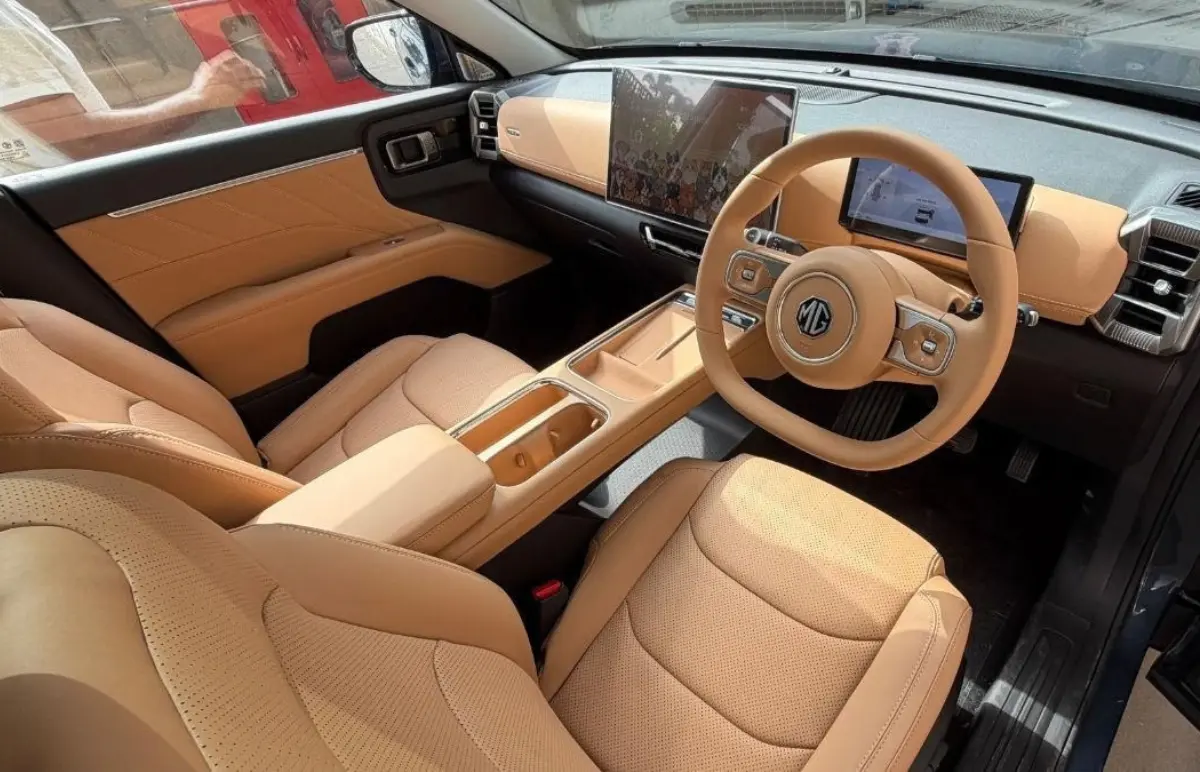
The Tomahawk EV is particularly interesting for families that want to choose between a 5-seat and 7-seat configuration, with MG listing a 2,810 mm wheelbase and describing the vehicle as having 85% usable floor area. That means that customers can choose between a larger five-seat layout and a three-row configuration.
The Harrier EV is a five-seat, two-row SUV and its technical specifications list a 2,741 mm wheelbase, 502 litres of boot space and an additional 35-litre frunk. The Harrier EV is 4,607 mm long, while the Tomahawk EV stretches to 4,745 mm.
Verdict- For buyers that regularly carry around six or seven people, the Tomahawk's additional seating option is a key practical consideration. The Harrier EV, on the other hand, focuses on five-seat passenger space and luggage capacity.
Also check: Tata Harrier EV Stealth Edition Review
Features and Technology: Tomahawk EV vs Harrier EV
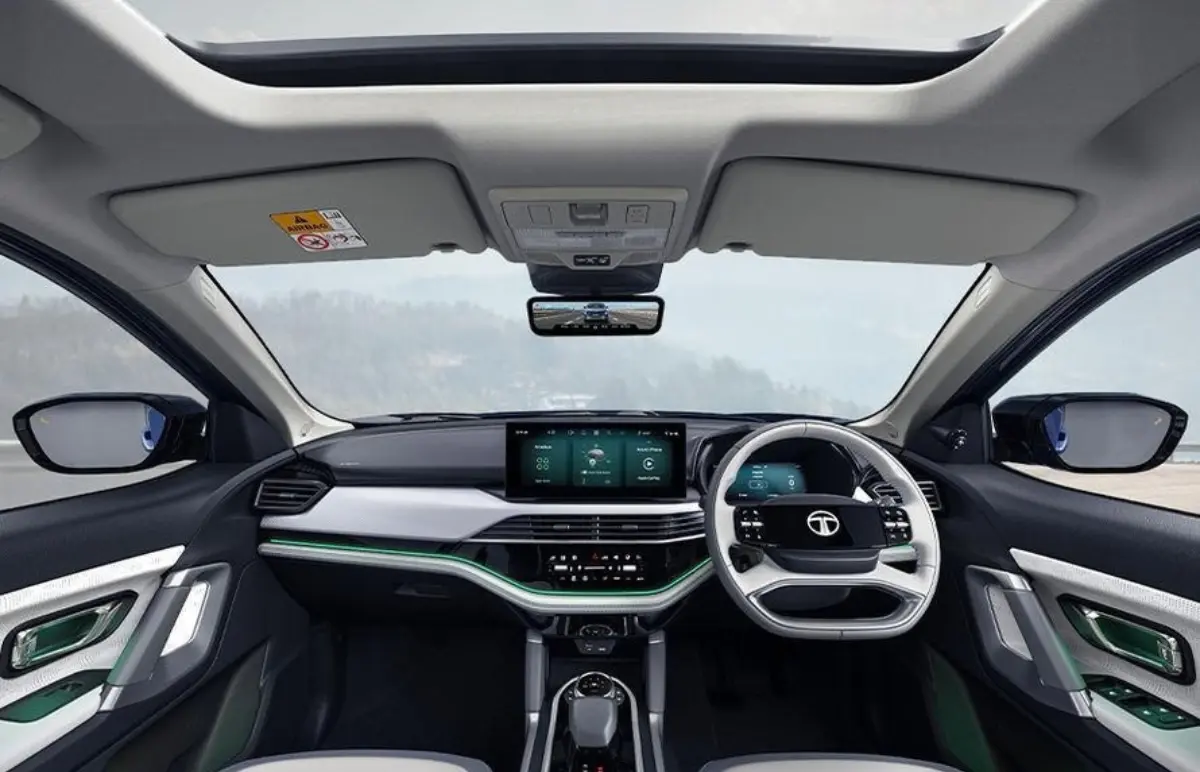
Both electric SUVs offer extensive technology, but MG places considerable emphasis on connected features and the infotainment experience. The Tomahawk EV gets a 15.6-inch HD Grand View Display, an 8.8-inch multi-information display, 10-speaker Infinity audio system, wireless charging, Apple CarPlay and Android Auto. MG also has i-SMART 3.0 with more than 80 connected features and a GenAI-powered voice assistant that can understand more than 30 Hinglish commands.
The Harrier EV's technology-heavy cabin includes a large touchscreen, digital instrumentation, connected-car features, ADAS, panoramic roof and advanced camera systems. Tata also offers a 540-degree surround-view system that includes a view meant to help the driver understand the space around and beneath the vehicle.
Verdict- Thus, both vehicles are aimed at buyers that expect a modern, connected cabin and not just a basic electric powertrain.
Safety Features and Ratings: Tomahawk EV vs Harrier EV
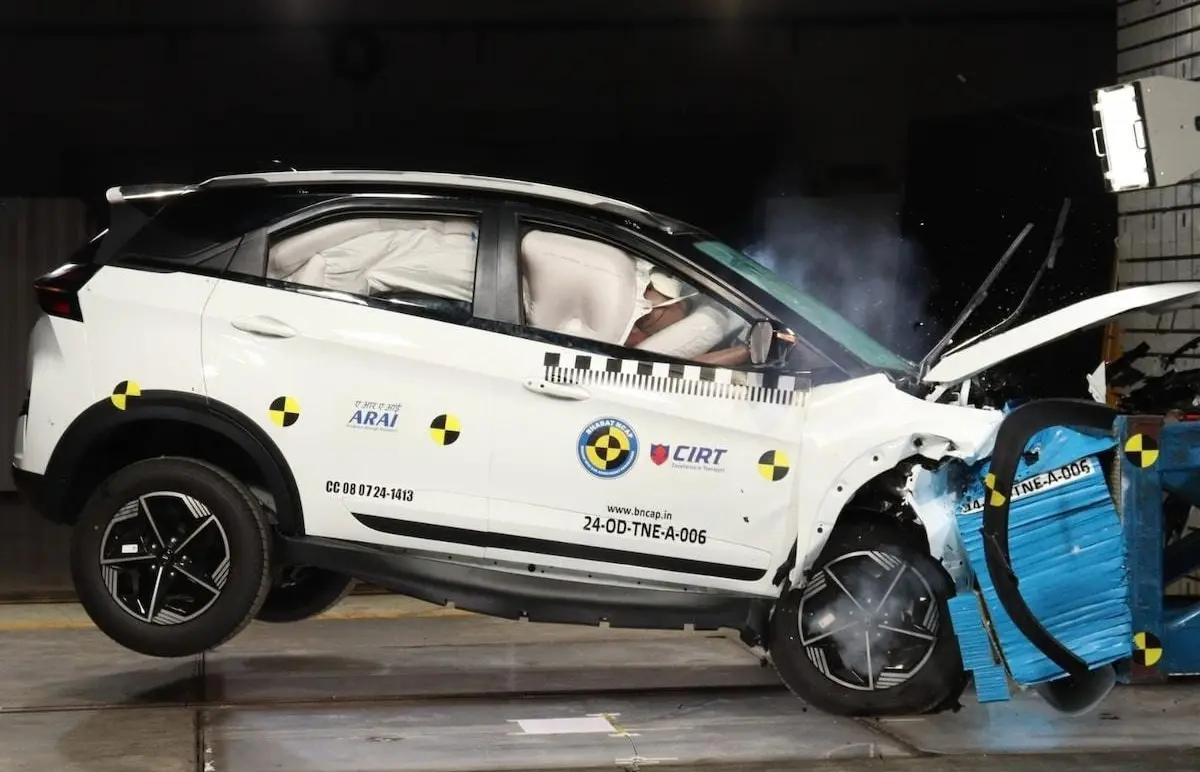
Safety is one area where the available evidence differs significantly. The Harrier EV has been tested by Bharat NCAP and received a 5-star rating with 32/32 adult occupant protection and 45/49 child occupant protection. The published test applies to specified Harrier EV variants. The Harrier EV also offers safety and driver-assistance technology including electronic stability control, curtain airbags and ADAS-related functions depending on the variant.
The MG Hector Tomahawk EV offers Level 2 ADAS, electronic safety systems and other driver-assistance technologies. However, as of the latest available information, it does not have a Bharat NCAP crash-test result comparable to the Harrier EV's published rating. Thus, the two vehicles should not be compared on the crash-test scores until an official rating for the Tomahawk becomes available.
Warranty and Ownership: Tomahawk EV vs Harrier EV
.webp)
Both manufacturers have focused on removing one of the biggest concerns of EV ownership: battery reliability. MG offers a lifetime battery warranty for the first owner of the Hector Tomahawk EV, subject to the company's warranty terms. Tata also offers a lifetime warranty on the Harrier EV's high-voltage battery for the first registration under applicable conditions.
According to Tata's technical specification document, when ownership changes, the battery warranty becomes 10 years or 2,00,000 km, whichever comes first, from the date of first registration. The BaaS system is the Tomahawk's big difference from the Harrier EV, with eligible customers being able to opt for MG's battery rental model, instead of paying the complete battery cost upfront. However, the per-kilometre battery rental cost needs to be accounted for in long-term running costs.
Tomahawk EV vs Harrier EV: Which One Fits Your Requirements?
.webp)
The two SUVs are targeted at similar family buyers but offer different ownership propositions. The MG Hector Tomahawk EV prioritizes flexibility, cabin space, connected technology and a lower entry price than the Harrier EV. Its 5- and 7-seat offerings, BaaS option, 69.2 kWh LFP battery and 517 km certified range make it an appealing option for families that want a feature-rich electric SUV without stepping up to the higher price range of the Harrier EV's upper variants.
The Tata Harrier EV, on the other hand, places more emphasis on battery-range options, performance and all-terrain capability. Its 75 kWh QWD version has a dual-motor, 504 Nm torque, six terrain modes and 622 km certified range. It also has an established Bharat NCAP test result.
Also check: MG Hector Tomahawk EV vs Tata Sierra EV
Final Thoughts
.webp)
The MG Hector Tomahawk EV vs Tata Harrier EV comparison ultimately focuses on two different approaches to the premium electric SUV segment. The Tomahawk EV has a lower starting price, BaaS option, 5/7-seat configurations, a large technology package and a 517 km certified range. The Harrier EV has multiple battery choices, a higher certified range, powerful dual-motor QWD configuration and a published 5-star Bharat NCAP result. For buyers comparing the two electric SUVs, the most important factors include seating requirements, budget, charging access, highway usage, desired performance and ownership model.
Also check: Mahindra XEV 9e vs Tata Harrier EV