Complete EV Maintenance Checklist 2026: Battery Care, Tyres, Brakes and Service Tips
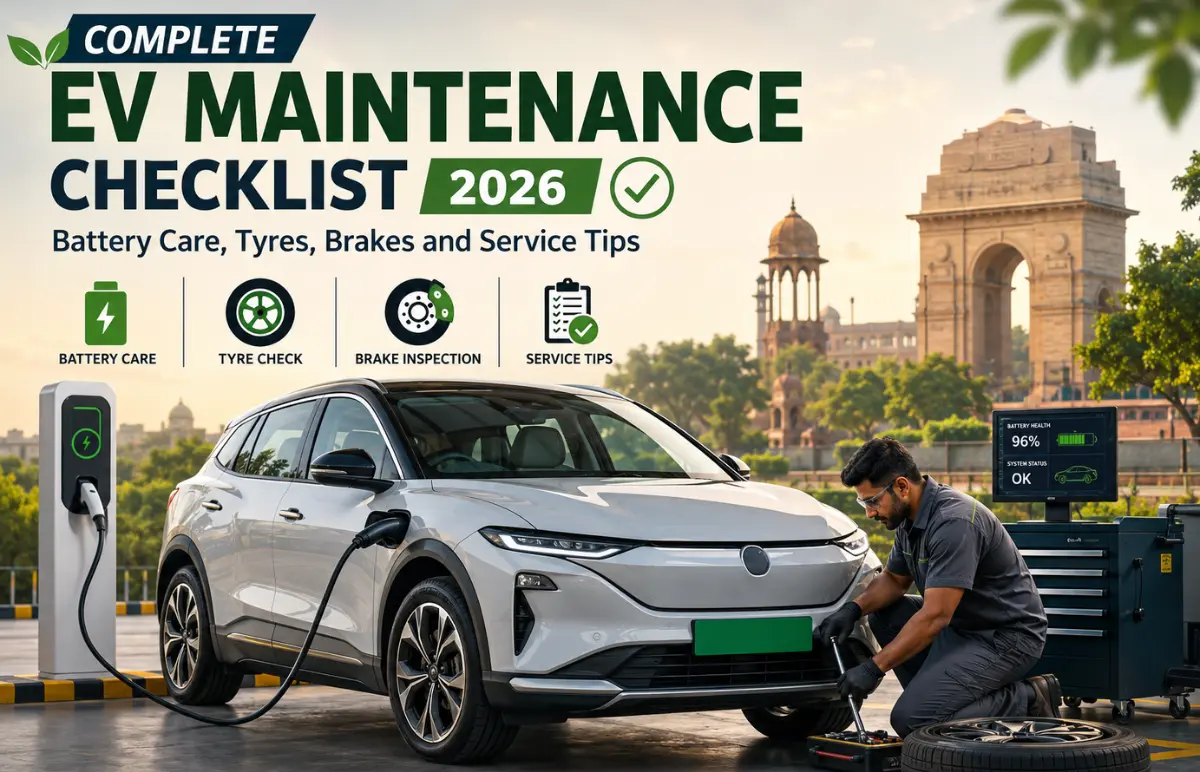
One of the most important things for EV buyers and users is the maintenance checklist, including what to do, how to do, and more. Electric Vehicles need less maintenance as compared to the petrol or diesel vehicles, but need time-to-time maintenance. The important components like battery pack, cooling system, brakes, charging equipment, suspensions, software, and more parts need to be maintained on time.
Maintenance of Electric Vehicles saves money as there is no engine oil, clutch, and fewer moving parts. Also the regenerative braking system saves the brake pads and lasts longer. If you are also looking for the ideal Electric Vehicle maintenance checklist, then this guide is for you. As we have discussed complete EV maintenance checklist 2026, from battery case, tyres to brakes and service tips.
Why Is EV Maintenance Different from Conventional Cars?
Unlike conventional cars, EVs do not require:
- Engine oil changes
- Spark plug replacement
- Fuel filter replacement
- Clutch servicing
- Gearbox oil changes (in most single-speed EVs)
- Exhaust system maintenance
Instead, EV maintenance mainly focuses on:
- High-voltage battery health
- Charging system
- Tyres
- Brake system
- Cooling system
- Software updates
- Suspension and steering
- Cabin air filter
- 12 Volt auxiliary battery
This simpler mechanical design is one of the biggest reasons EV ownership costs are generally lower.
How Much Does EV Maintenance Cost?
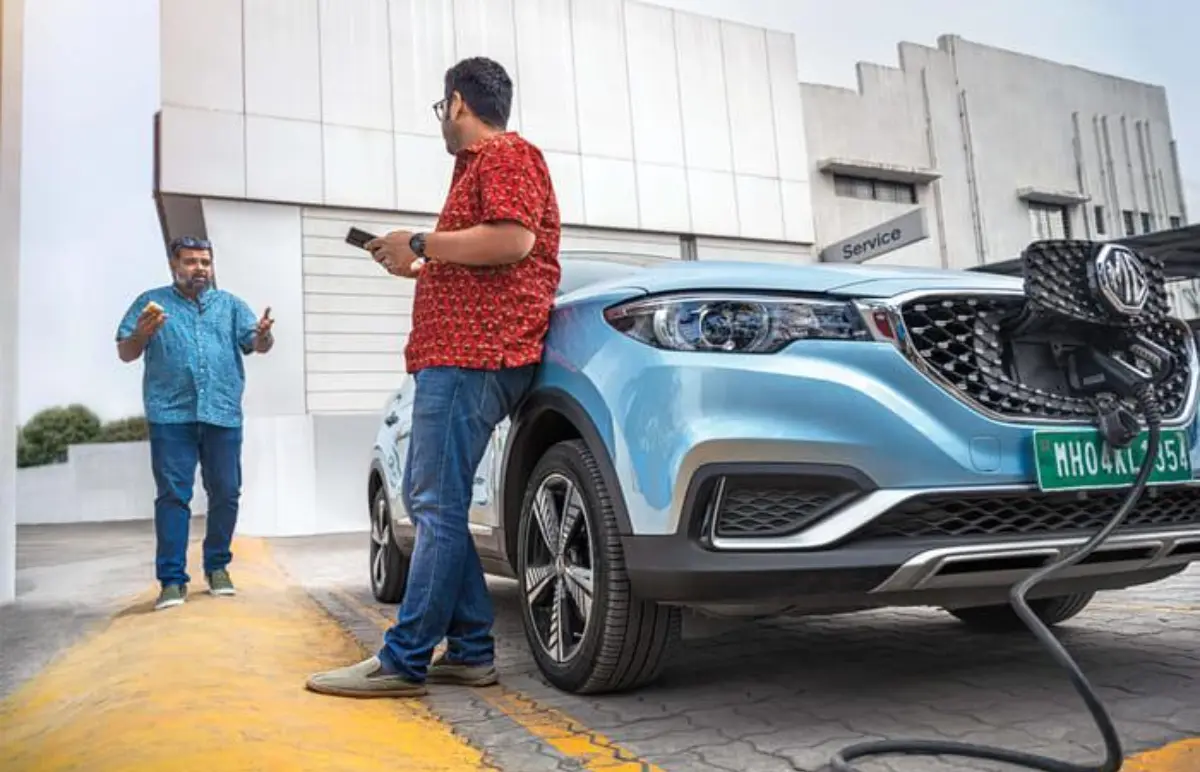
Regular service and maintenance of Electric Vehicles is generally 40 to 50% lower as compared to petrol or diesel vehicles. The accurate cost of the maintenance depends on your vehicle model, condition, battery life, vehicle age, service schedule, replacement parts, and more. According to some sources, the average cost is around ₹3,500 to ₹9,000 per year for scheduled services. These are not the fixed charges but assumptions, as real cost depends on the real conditions. If everything goes well in your vehicle then only standard labor, and cabin air filter changes and software diagnostic charges are incurred.
Complete EV Maintenance Checklist 2026
Here’s everything you need to know related to EV Maintenance in 2026:
| Component | Inspection Frequency |
| Battery Health | Every service |
| Tyre Pressure | Every 2-4 weeks |
| Tyre Rotation | Every 8,000-10,000 km |
| Wheel Alignment | Every 10,000 km or if steering pulls |
| Brake Inspection | Every service |
| Brake Fluid | As per manufacturer schedule |
| Coolant | Usually every 3-5 years (if applicable) |
| Cabin Air Filter | 15,000-20,000 km |
| 12V Battery | Annual inspection |
| Suspension | Every service |
| Software Updates | Whenever available |
1. Battery Care Checklist
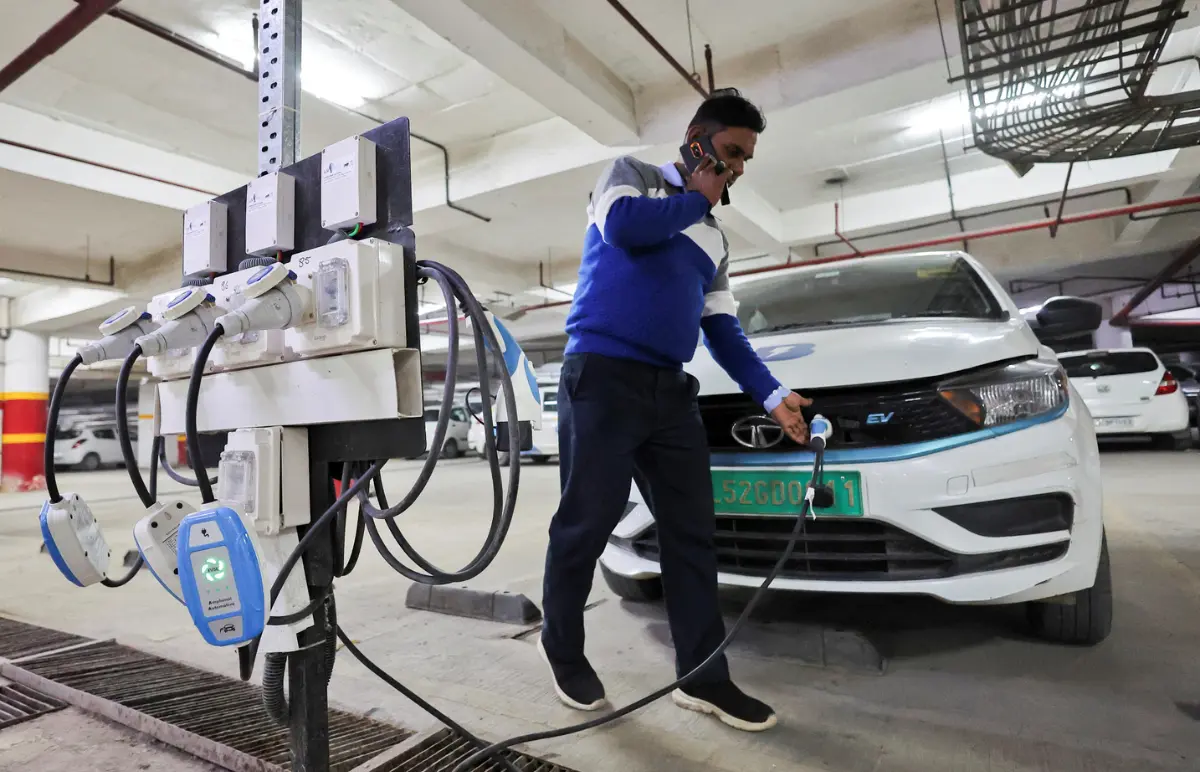
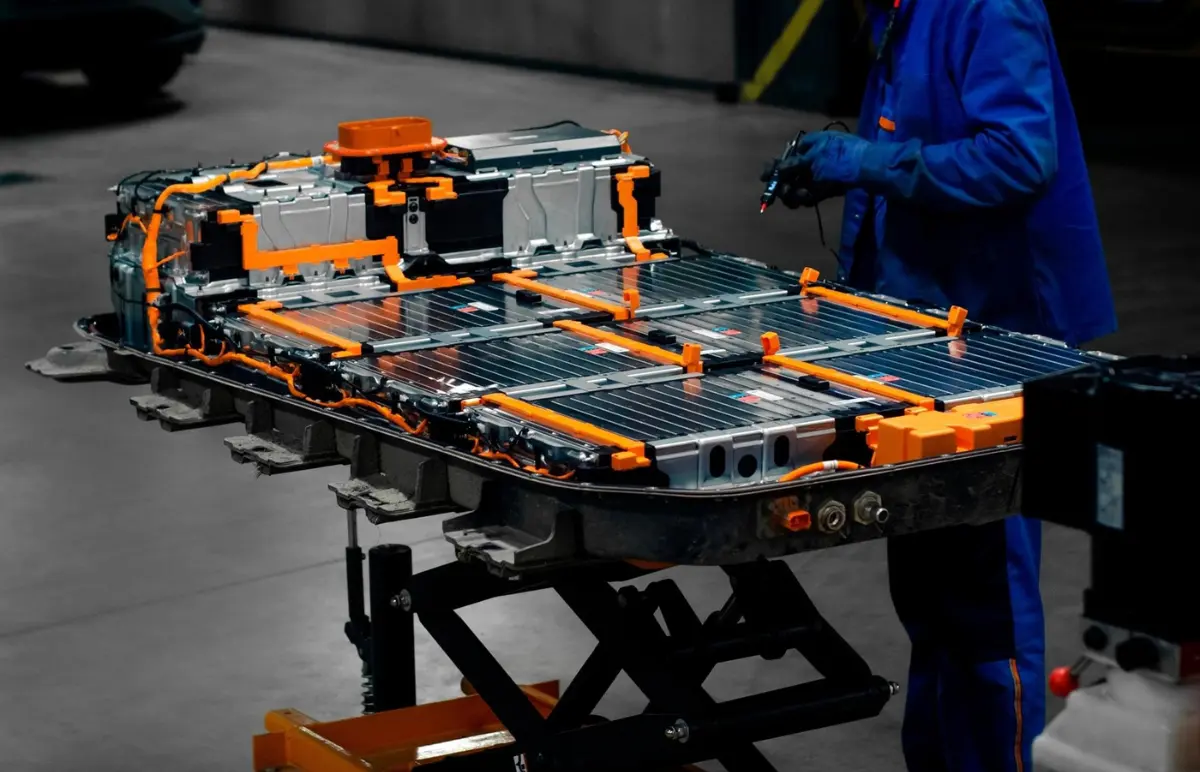
One of the most important components of an Electric Vehicle is its battery pack, so keeping the battery with care is important for long life. At the time of servicing of the vehicle, firstly get the State of Health (SoH) checked. Also ask the service centre personnel to check the cell balance, charging performance, battery temperature history, Battery Management System (BMS), and other required things. You can also consider the following daily battery care tips to keep the battery pack safe and secure:
- For daily driving, charge the battery between 20 to 80%.
- Try to not let the battery fall to 0% before putting it on charge.
- Avoid DC fast charging, as it can affect the battery health
- Avoid charging it to 100%, unless exceptional cases, like long travel.
- Charge to 100% if recommended by the manufacturer.
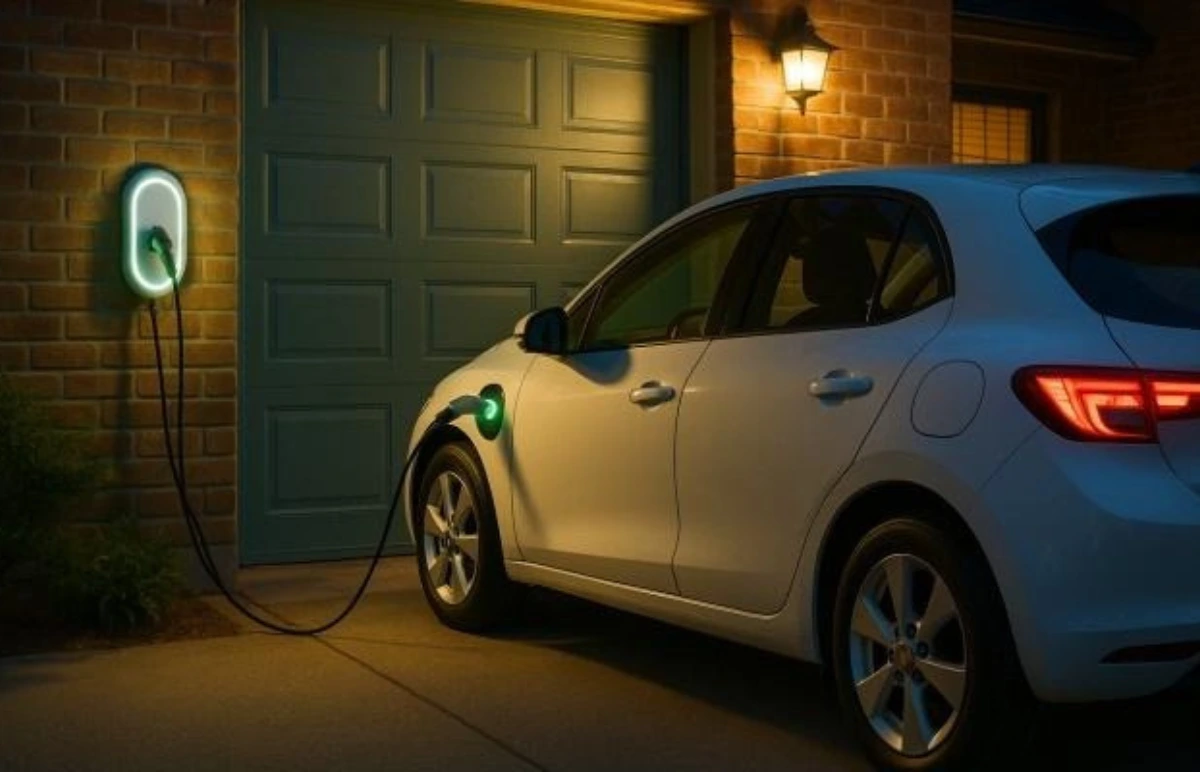
- Opt Home AC charging for daily use.
- Keep the vehicle away from extreme heat or extreme cold to protect its cells.
- Avoid keeping the battery at 100% for several days.
- Use the original or recommended charger by the manufacturer.
- Do not attempt back-to-back fast charging as it affects the battery life.
2. Tyre Maintenance Checklist
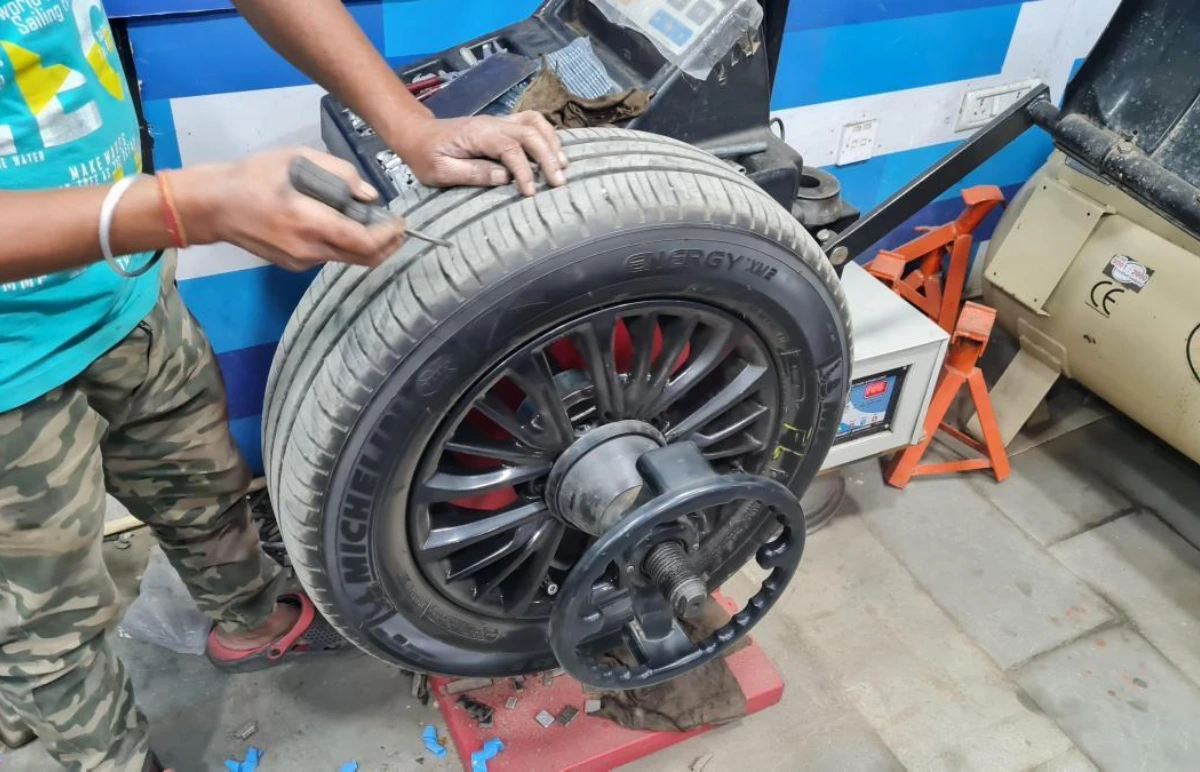
Tyres usually wear faster on EVs because:
- Battery packs increase vehicle weight.
- Electric motors deliver instant torque.
- Higher torque can accelerate tyre wear.
Check Tyre Pressure
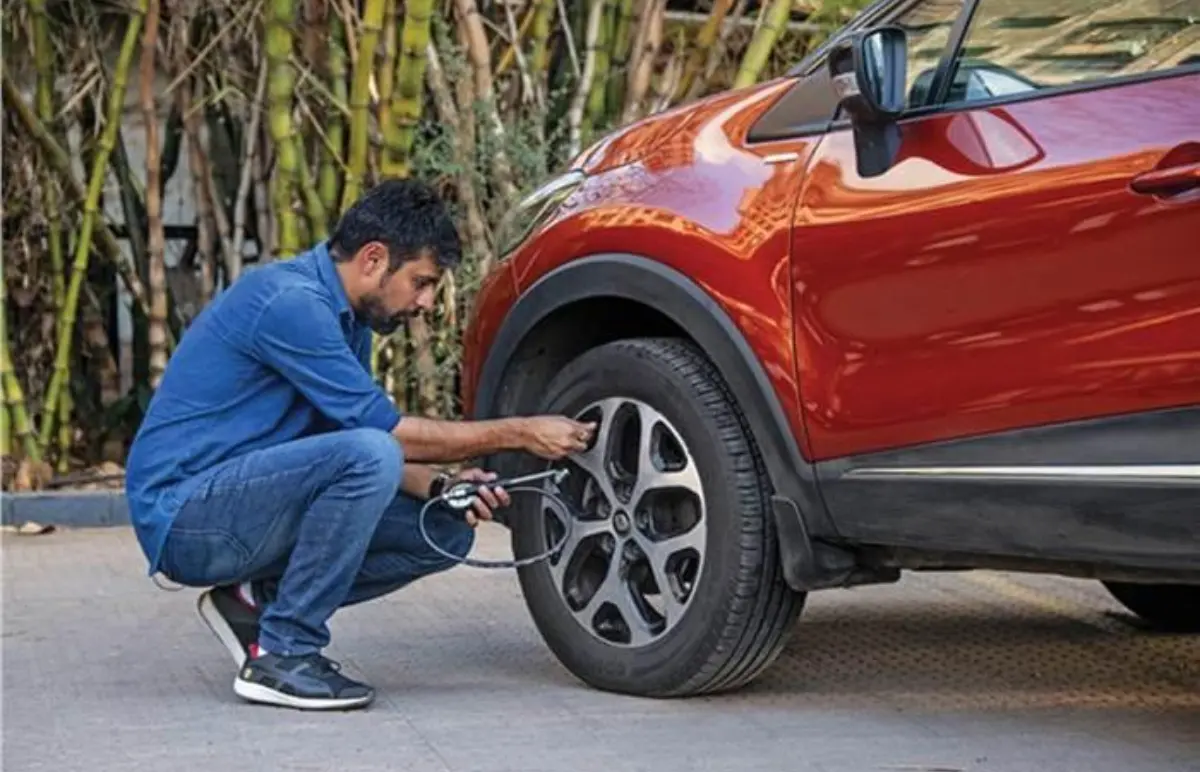
- Inspect tyre pressure every two to four weeks. Correct tyre pressure:
- Improves driving range
- Reduces uneven wear
- Improves handling
- Enhances safety
Always follow the pressure mentioned on your vehicle's door sticker or owner's manual.
Rotate Tyres Regularly
Tyre rotation is generally recommended every 8,000–10,000 km, although the exact interval depends on the manufacturer and driving conditions. Benefits include:
- Even tread wear
- Better grip
- Longer tyre life
- Improved ride quality
Check Wheel Alignment
Get wheel alignment checked if:
- Steering pulls to one side
- Tyres wear unevenly
- You hit a large pothole
- Steering wheel feels off-centre
Inspect Tyre Tread
Replace tyres when tread depth reaches the legal minimum or if you notice cracks, bulges, or cuts.
3. Cabin Air Filter
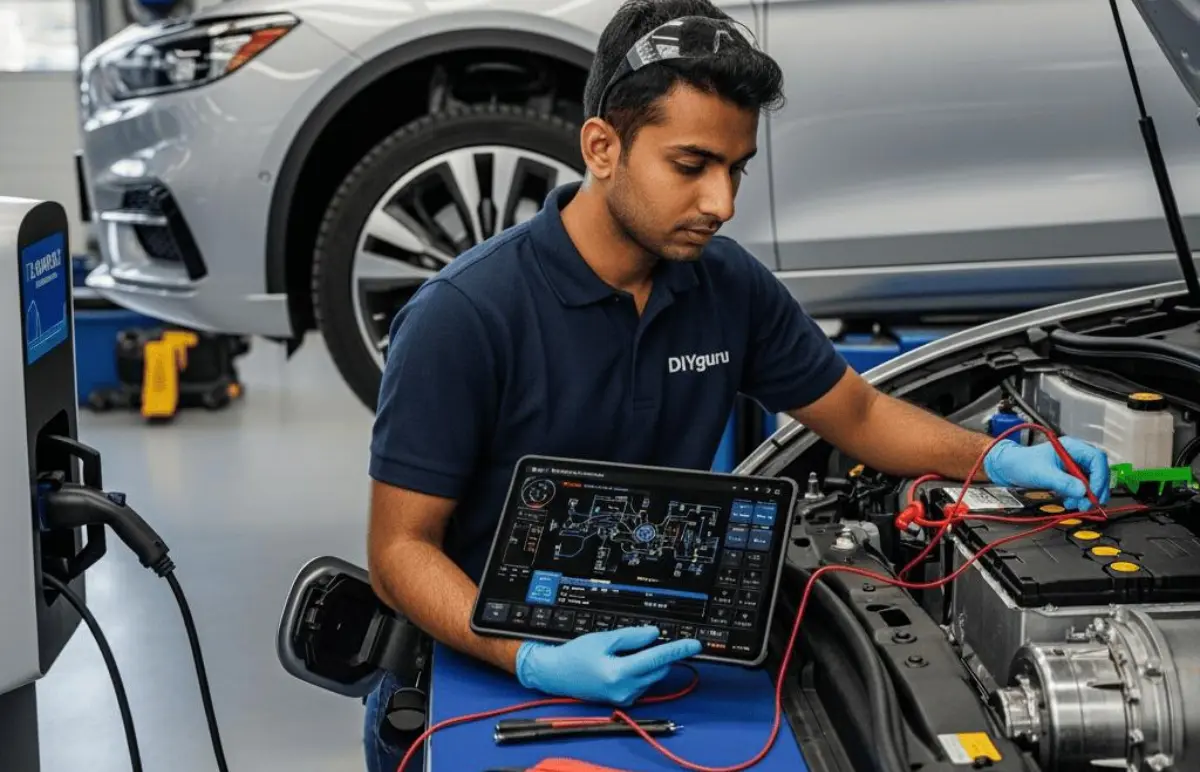
Changing the cabin air filter is important, as recommended after 15,000-20,000 km, the cabin air filter is changed. Its replacement also depends on the condition of the vehicle. The cabin air filter traps dust, bad odors, pollen, soot, and more before air enters the cabin through the cooling and heating system. However, some advanced featured EVs use dense HEPA filters to capture all the microscopic particles, while the normal filters use standard pleated paper or carbon-embedded fibers. Time-to-time replacement of cabin air filters leads to better air quality boosts HVAC performance, and protects health.
4. Brake Maintenance
Electric Vehicles offer various benefits and one of them is the regenerative braking system which saves the brake pads and instead the motor slows the vehicle while recovering energy. This process lets the brake pads last longer and brake discs experience less wear. Also, regenerative braking is used regularly, brake calipers may require cleaning, and lubrication due to reduced use. But during the regular servicing, brake pads should be checked for safeguard of the vehicle. At the time of servicing, things to be considered are:
- Brake pad condition
- Brake fluid level
- Brake pedal feel
- Rotor corrosion
- Brake noise
5. Suspension and Steering
Suspension and steering of the electric car is required to be tested regularly due to heavy battery weight and high instant torque. The things to be checked include shock absorbers and struts, suspension bushes, steering linkage, wheel bearings, ball joints, and more.
For a smooth suspension check look for oil leaks, wet spots, or a bouncy ride. The risk indication is that if the car bounces more than two times after a push down on a corner. The checking of the steering or suspension is recommended on 8,000 to 15,000 km drive. Also early detection is better than future expensive repairs.
6. 12 Volt Battery
Many new EV owners forget that electric cars still use a 12V battery. It powers, lights, infotainment, power windows, ECU systems, and vehicle startup electronics If this battery fails, the vehicle may not start normally even if the high-voltage battery is fully charged. Have it tested during routine servicing and replace it when required.
7. Software Updates
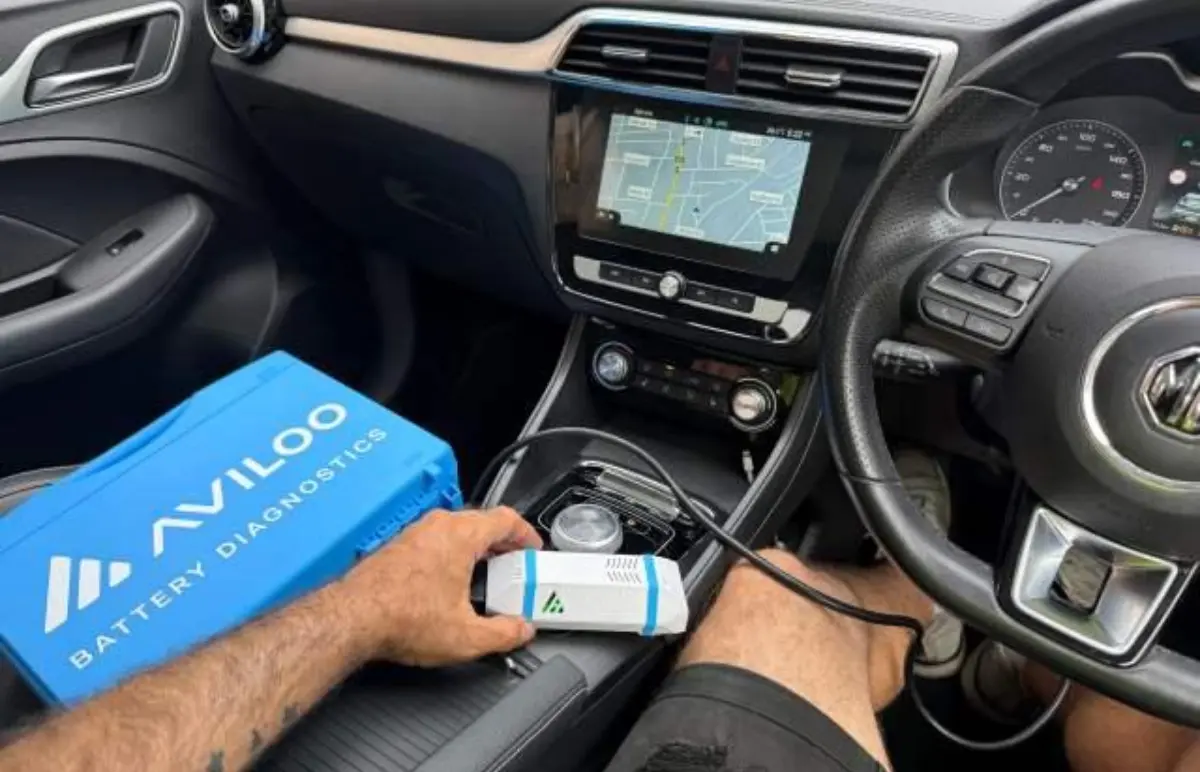
With the innovation, the manufacturers and brands offer timely software updates in the electric vehicle, which the owner needs to update on time for a smooth and advantageous drive. The software updates are offered to provide better battery management, increased charging efficiency, infotainment, bug fixes, enhanced driving range, strong safety, and many other premium advanced features. If you face any issues during the software updates, then you can visit the service center and also contact the manufacturer.
8. Cooling System Maintenance
The majority of the modern and advanced electric vehicles use liquid cooling for the battery, motor, and power electronics. So during the scheduled servicing, check for coolant level, cooling pump operation, coolant leaks, and other instructed things. The replacement of the coolant is scheduled to be changed after several years, so take the recommendation from the manufacturer before making any changes.
9. High-Voltage Inspection
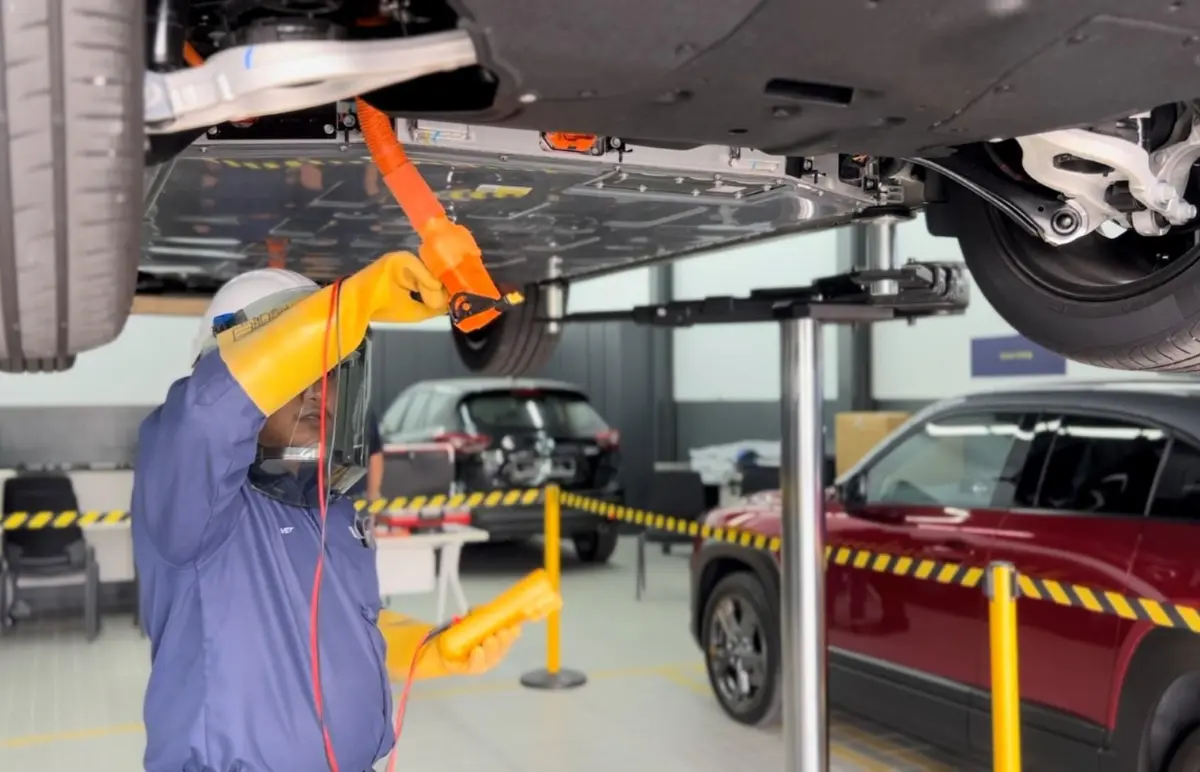
Every 2 to 3 years, high voltage inspection is recommended for the satisfaction of the owner. The high-voltage EV insulation and isolation resistance testing requires de-energizing the system, setting a calibrated magohmmeter to OEM-specified test voltages (typically 500 V DC). The measuring resistance values between positive, negative lines and the chassis ground to ensure safety compliance. De-Energization powers down the vehicle completely and removes the manual service disconnect.
10. Charging Equipment Inspection
Inspect your charging equipment regularly. Check for:
- Damaged charging cable
- Loose connectors
- Water ingress
- Overheating
- Dirt inside charging port
- Never use damaged charging equipment.
11. Exterior and Interior Checks
Getting the exterior and interior checked during the regular servicing and maintenance is important. You can get the following things checked accordingly:
- Headlights
- Wiper blades
- Horn
- Air conditioning
- Door seals
- Indicators
- Reverse lights
- Charging port cover (debris, dust or pin damage)
- Windshield washer fluid
- Seatbelts/ Safety gears
Seasonal EV Maintenance Tips
During Summer
- Avoid parking in direct sunlight for long periods.
- Use battery pre-conditioning where available.
- Avoid repeated fast charging in extreme heat.
- Check tyre pressure frequently, as hot weather increases pressure.
During Monsoon
- Keep the charging port dry before connecting.
- Inspect wiper blades.
- Check tyres for adequate tread depth.
- Clean cameras and parking sensors regularly.
During Winter
- Pre-condition the battery before driving.
- Expect some temporary reduction in driving range.
- Keep charging cables dry.
- Charge immediately after driving if possible, as the battery will already be warm.
Signs Your EV Needs Immediate Inspection
Do not ignore these warning signs:
- Sudden drop in driving range
- Charging takes unusually long
- Battery overheating warning
- Unusual noises
- Steering vibration
- Brake warning lights
- Suspension noises
- Charging interruptions
- Dashboard warning messages
- Fluid leaks
- Early diagnosis can prevent larger and more expensive repairs.
Common EV Maintenance Mistakes to Avoid
Many new EV owners unknowingly reduce battery life or increase maintenance costs through poor habits. Avoid these common mistakes:
- Charging to 100% every day without need.
- Frequently running the battery to very low charge levels.
- Ignoring tyre pressure checks.
- Relying solely on regenerative braking without occasionally using the friction brakes.
- Skipping software updates.
- Using uncertified charging equipment.
- Neglecting annual service because the vehicle "doesn't need oil changes."
- Ignoring dashboard alerts or warning messages.
- Failing to inspect the 12V battery.
- Not cleaning the charging port and connectors.
- Developing good maintenance habits from the beginning can improve efficiency, safety, and long-term ownership costs.
Conclusion
From the last few years, the EV Industry has evolved and a wide range of Electric Vehicles has been introduced. Some people are buying the new ones, while some are opting for used electric vehicles, but maintenance for all of them is essential. One of the biggest advantages of owning an Electric Vehicle is also its low maintenance cost. But that does not mean you can neglect the servicing and maintenance of the EV. Regular servicing is essential to maintain the wellness of the vehicle. The regular servicing should cover the check of the battery health, tyre condition, brake pads, software, and other necessary things. The regular and timely maintenance of the electric vehicle ensures a long life, better battery life, long term ownership, and less maintenance cost.
.webp)
-1.webp)