How Much Battery Does AC Use in an EV? Range Impact, Energy Consumption and Tips to Save Power
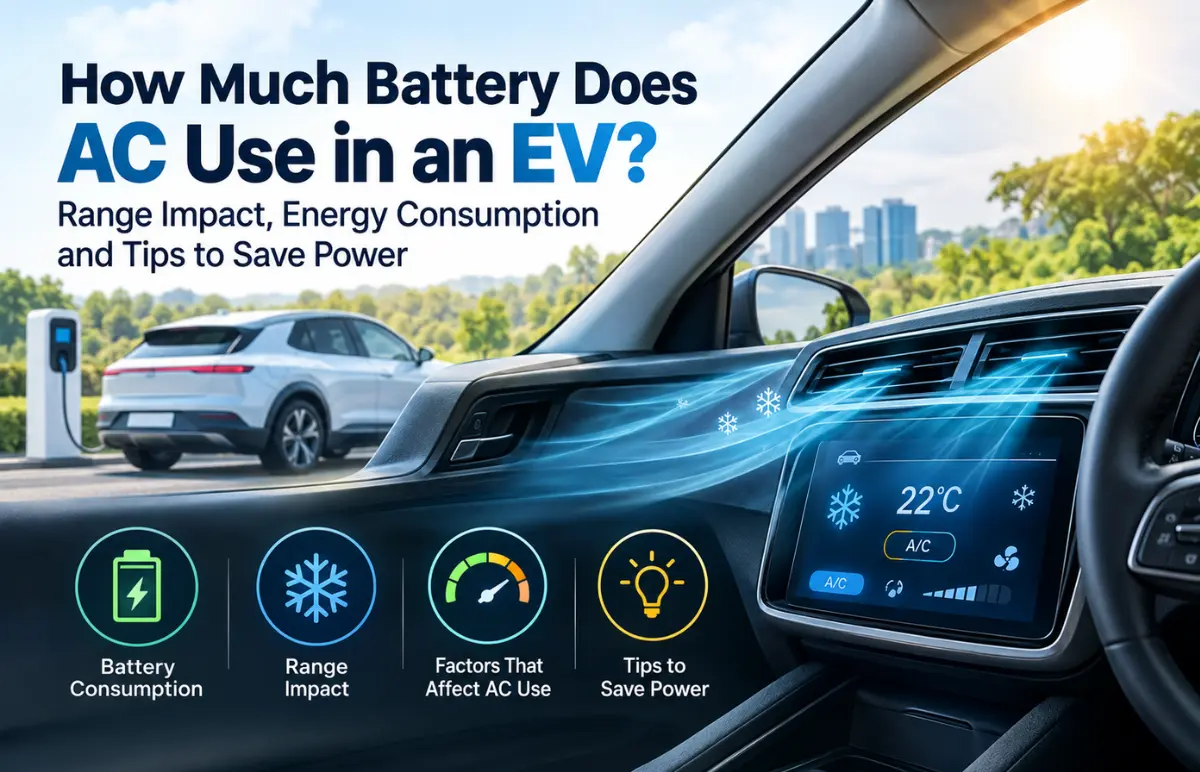
Air conditioning is one of the primary causes that can impact battery consumption, particularly when it's hot. Unlike a petrol or diesel car, an EV does not have an engine running continuously to create waste heat, which is then used for cabin heat. An EV's air-conditioning (AC) draws electrical energy from the battery. This does not mean that turning on the AC will quickly drain an EV's battery. Modern electric cars are designed to manage HVAC energy efficiently.
But when it's extremely hot, the cabin needs to be cooled significantly, or the vehicle is being driven slowly in traffic, air conditioning can have a noticeable impact on energy consumption and driving range. The answer to 'how much battery does AC use in an EV' and 'how much range is affected by an EV AC?' will depend on several factors, including outside temperature, cabin temperature, vehicle size, AC settings, driving speed and the efficiency of the thermal-management system. This guide unfolds all the relevant information about how much battery AC is used in an EV, and more.
How Does Air Conditioning Work in an EV?
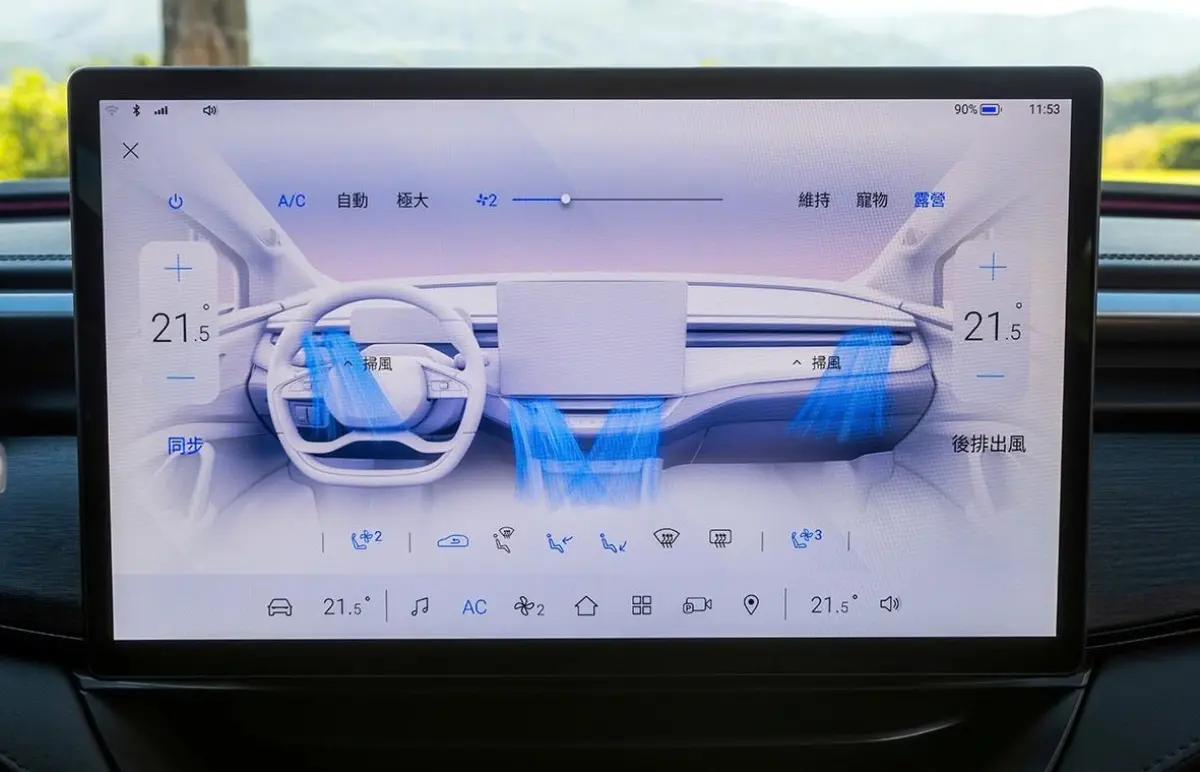
An EV's AC system generally works on a refrigeration cycle, which is similar to the system used in conventional cars. However, the compressor in an electric vehicle is electric. When the driver switches on the AC, the system will use electrical energy to operate the electric compressor, condenser, evaporator, cooling fans and cabin blower. The compressor circulates the refrigerant, which enables the system to remove heat from the cabin.
The electricity to do this process will come from the high-voltage battery, increasing the vehicle's overall energy consumption. Modern EVs also have sophisticated thermal-management systems and the refrigerant circuit is shared between the cabin and the high-voltage battery pack, that can control the compressor and other components according to cooling requirements. Some research by Tata Motors and other automotive organisations has specifically looked at ways to reduce HVAC energy consumption while maintaining cabin comfort.
How Much Battery Does AC Actually Use?
There is no specified amount of battery that an EV's AC uses; instead, the amount of battery used is related to a variety of factors, including outside temperature, cabin size, AC settings and how cold/hot the vehicle is when you start driving. For instance, if an EV's AC used an average of 1.5 kW for 30 minutes, then it would use:
1.5 kW × 0.5 hour = 0.75 kWh
This is just an example; the actual AC consumption can be more or less depending upon the vehicle as well as conditions. A 40 kWh battery would have used around 1.9% of its capacity for this 0.75 kWh. However, AC usage does not account for the loss in range; the motor, tyres, road conditions, speed and other systems also use up energy while you're driving.
Does AC Reduce EV Range?
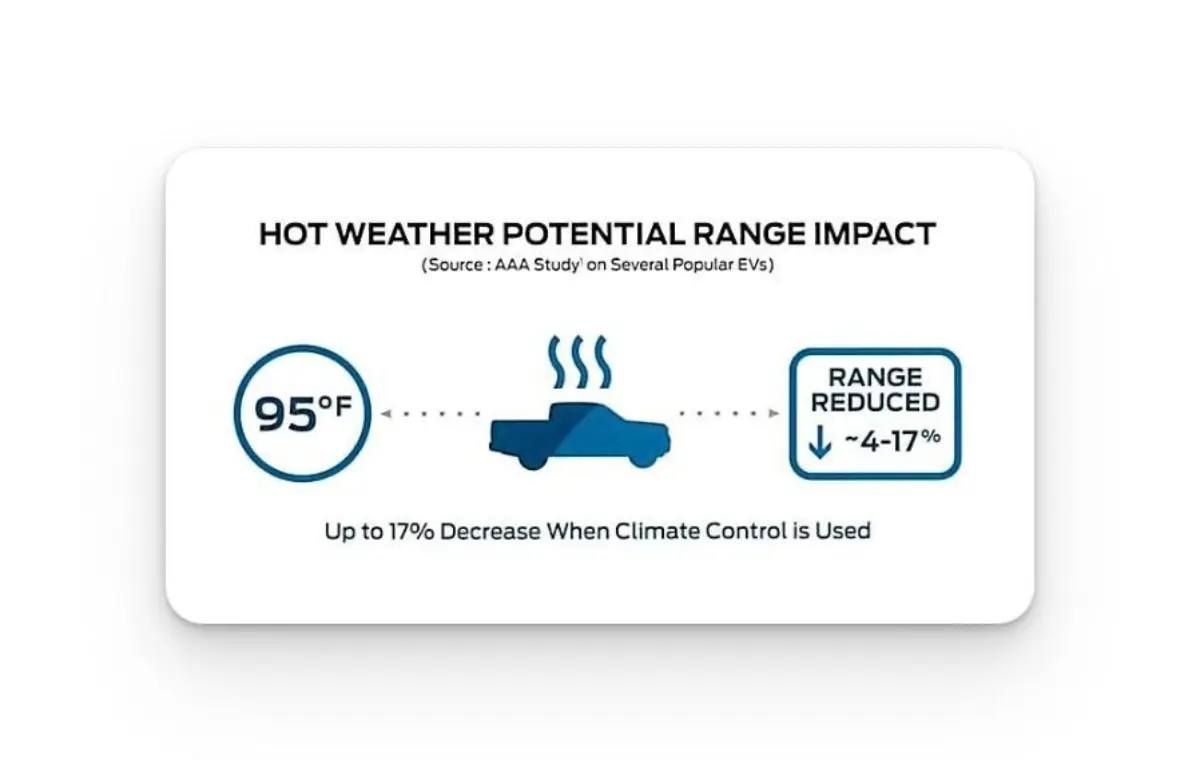
Yes, the use of the AC tends to reduce the range of an electric car as it utilizes the battery to cool the car, hence a percentage of the battery power is used to run the air conditioning system. The percentage of range reduction in different EVs varies depending on several factors, including the external temperature, internal temperature, and the efficiency of the vehicle’s AC. For example, the AC in a hot climate may consume more energy to cool a vehicle compared to a moderate climate, thus reducing the range.
How Much Range Can You Lose With AC?
There is no universal answer but under moderate summer conditions, AC typically reduces driving range by 3% to 8%, increasing to 10%-20% in severe traffic or extreme heat. The effect will depend on:
| Factor | Effect on AC energy use |
| Outside temperature | Higher temperatures can increase cooling demand |
| Cabin temperature | A hotter cabin requires more initial cooling |
| Vehicle size | Larger cabins can require more cooling |
| Battery size | Larger batteries dilute the percentage impact |
| AC efficiency | Efficient systems require less electricity |
| Driving speed | Changes the proportion of HVAC energy in total consumption |
| Traffic | AC continues consuming energy while the vehicle moves slowly or stops |
| Sun exposure | Direct sunlight increases cabin heat |
| Temperature setting | Lower settings can increase cooling demand |
This is why EV range estimates should not be treated as fixed numbers in every weather condition.
Why Does AC Consume More Energy in Hot Weather?
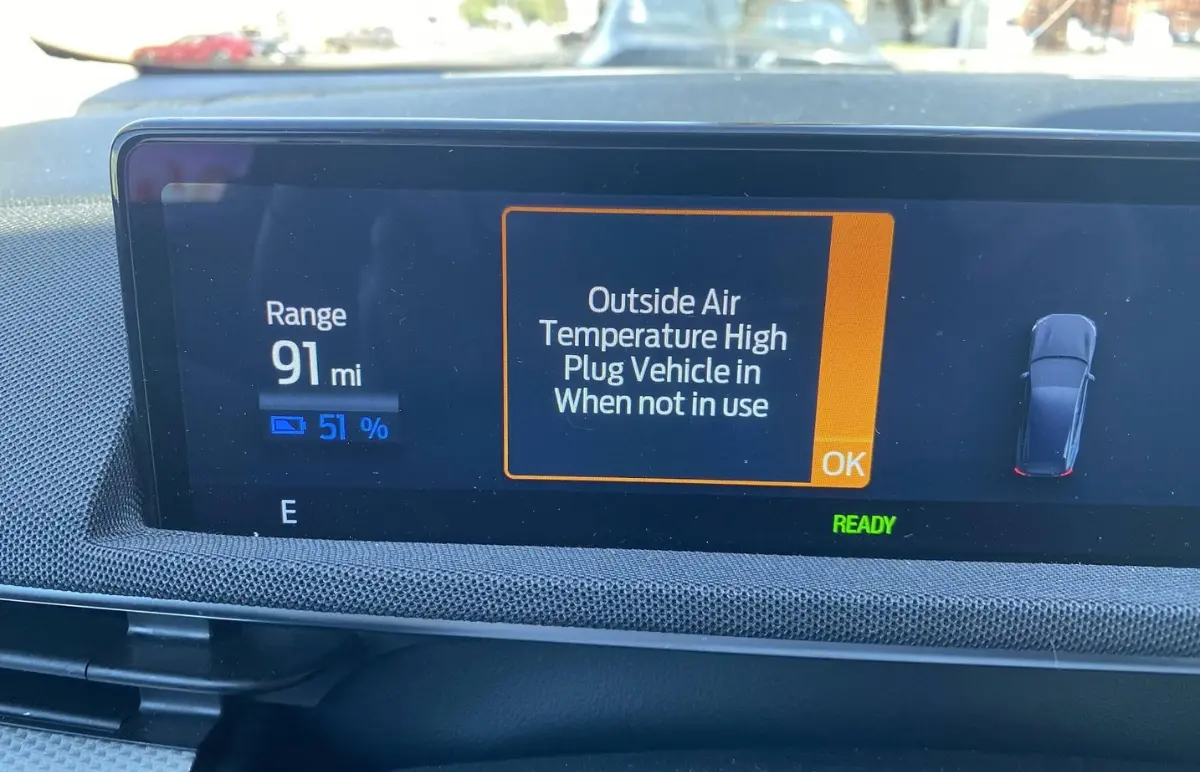
The harder AC works, the more electricity it will consume. Consider an EV parked outside on a hot afternoon. The cabin, seats, dashboard and other interior surfaces may become significantly hotter than the surrounding air. The AC initially needs to remove this stored heat before it can maintain a comfortable temperature. Several factors can increase the cooling load:
- High outside temperature
- Direct sunlight
- A hot vehicle interior
- High humidity
- Large cabin size
- Frequent opening of doors or windows
- Very low temperature settings
- High blower speeds
- Poor cabin insulation or excessive heat entering the cabin
This is why switching the AC to a very low temperature immediately after entering a hot car can result in higher initial energy consumption. Once the cabin has reached the desired temperature, the system will generally not need to operate at the same intensity continuously. The climate-control system can be reduced or adjusted according to the conditions.
Also check: Best EV Charging Tips in Summers | Safe or Dangerous?
Does AC Drain More Battery in Traffic?
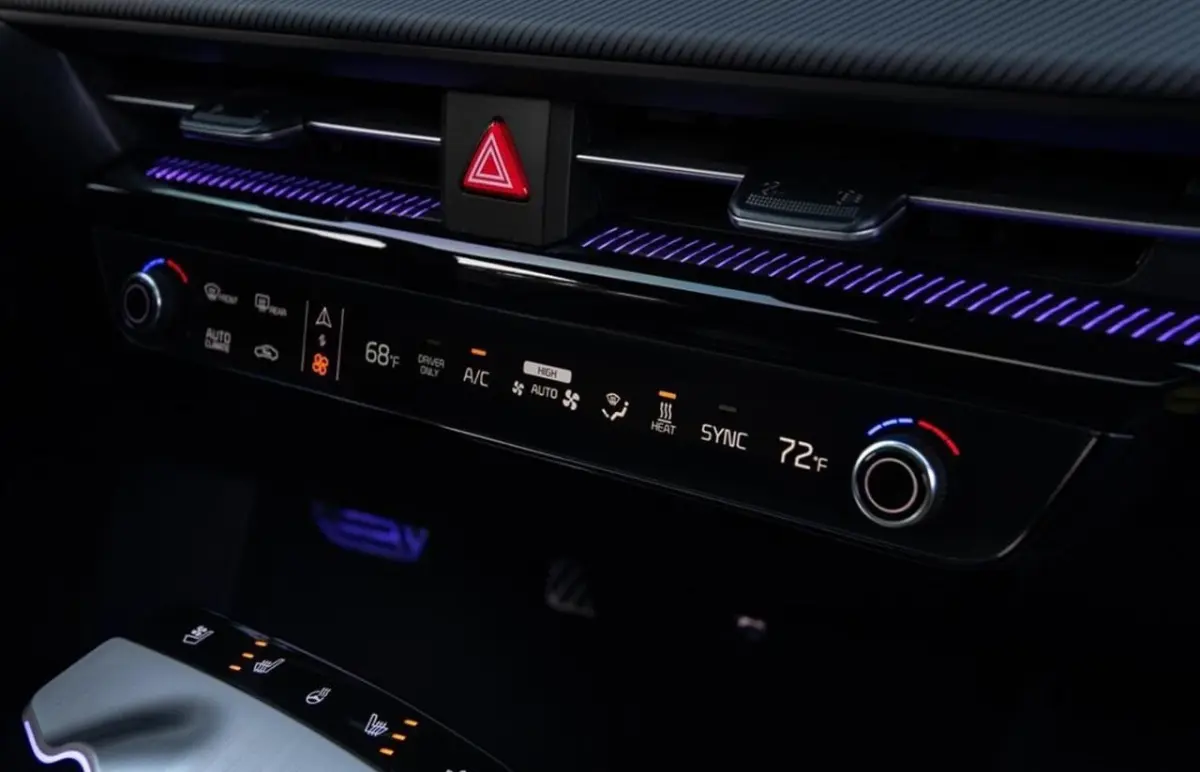
AC can have a more noticeable impact on efficiency during slow-moving traffic or while the vehicle is stationary. At highway speeds, the electric motor is using considerable energy to move the vehicle, so the additional AC load will represent a smaller proportion of total energy consumption. In stop-and-go traffic, however, propulsion energy consumption can be lower during periods when the vehicle is moving slowly or stopped.
The AC will continue to require electricity even when the car is not travelling. This means that an EV sitting in traffic with the AC running can continue to consume battery power even though it is covering very little distance. The same principle applies when an EV is parked with the vehicle switched on and climate control operating. The battery is being used for comfort, rather than the vehicle gaining any driving distance.
Also check: EV Charging Time | How Long Does It Take to Charge an Electric Car?
Does AC Use More Battery Than Driving?
This depends on the driving conditions and the vehicle. It is not accurate to say that AC always consumes more electricity than driving. The electric motor is the primary energy consumer during normal driving, particularly at higher speeds. However, HVAC can become a relatively significant auxiliary load when the vehicle is stationary, moving slowly or operating in extreme temperatures.
SAE research describes HVAC as one of the major power-consuming systems in EVs, particularly since the vehicle must supply climate-control energy directly from its electrical system. The better question is not whether AC consumes more energy than the motor but how much additional energy does climate control require under the specific driving conditions?
Which EVs Are More Affected by AC Use?
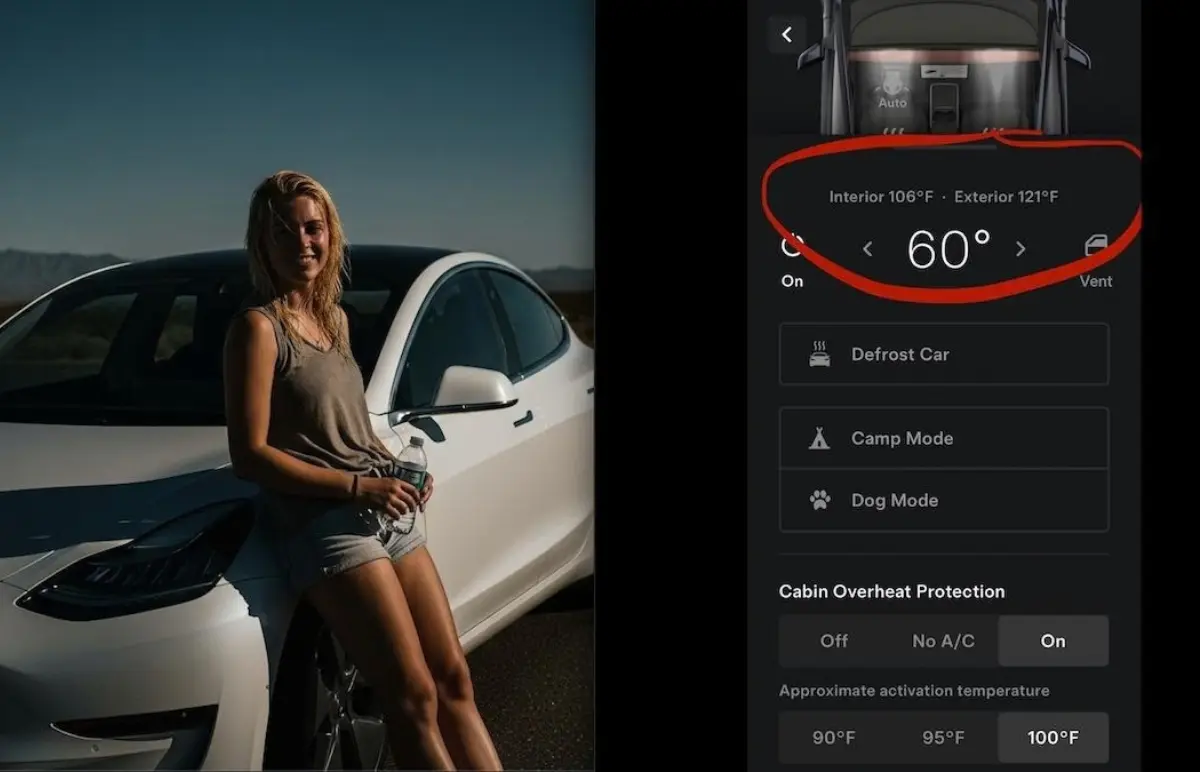
The impact of AC varies between electric vehicles. Battery size is one factor. An EV with a larger battery has more stored energy available, so the same amount of AC consumption will represent a smaller percentage of the battery. For example, 1 kWh of energy represents:
- 2.5% of a 40 kWh battery
- 2% of a 50 kWh battery
- 1.67% of a 60 kWh battery
- 1.25% of an 80 kWh battery
But battery capacity is not the only consideration. Vehicle efficiency, cabin size, insulation, compressor efficiency and thermal-management technology will all influence HVAC energy consumption. Research has shown that improving thermal-management architecture and control strategies can reduce energy demand and improve EV efficiency.
Does Pre-Cooling an EV Save Battery?
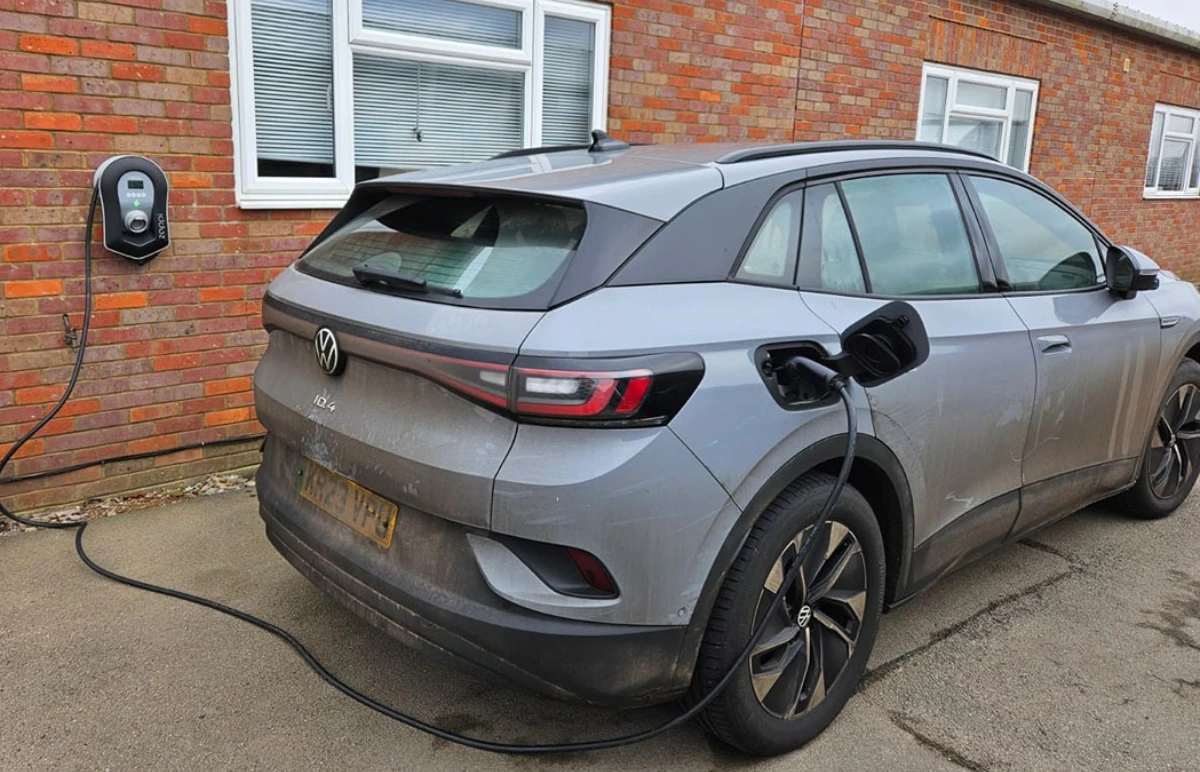
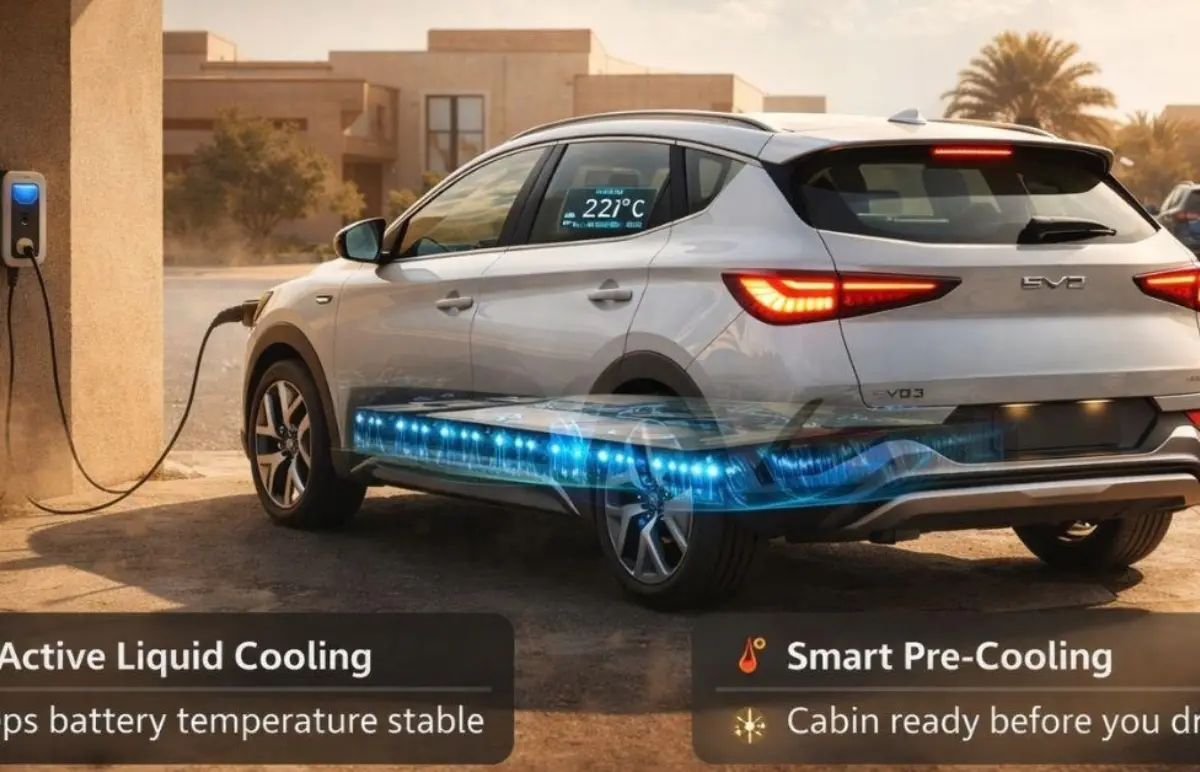
Pre-cooling can sometimes make the overall cooling process more comfortable and reduce the amount of high-load cooling required after you start driving. If an EV supports remote climate control while plugged into a charger, the vehicle can use electricity from the charging supply to cool the cabin before departure, rather than relying entirely on battery energy after the journey begins.
This can be particularly useful when the vehicle has been parked in direct sunlight.
However, pre-cooling does not mean the cooling process is free. Electricity is still being consumed, and the difference is only that energy comes from where. Using grid electricity while plugged in can preserve more of the battery's stored energy for driving.
Also check: 15 Electric Vehicle Myths and Facts in India 2026
How to Reduce AC Battery Consumption in an EV?
EV owners do not need to avoid air conditioning to maximise range. Instead, a few simple habits can reduce unnecessary energy use.
1. Park in the Shade: Parking under cover or in shade reduces the amount of heat entering the cabin. This can lower the cooling load when you start the vehicle.
2. Use Pre-Conditioning: If your EV supports scheduled or remote cabin pre-conditioning, use it while the vehicle is connected to a charger whenever practical.
3. Avoid Extremely Low Temperature Settings: Setting the AC to an unnecessarily low temperature can make the system work harder. A moderate and comfortable temperature is usually sufficient.
4. Use Recirculation: Once the cabin has cooled, recirculation can help maintain the temperature by repeatedly cooling cabin air rather than continuously bringing in hot outside air.
5. Use Ventilation Before Maximum Cooling: After entering a very hot car, briefly ventilating the cabin can help remove some of the hot air before the AC has to cool the interior.
6. Maintain the AC System: A properly maintained air-conditioning system can operate more effectively. Cabin air filters, refrigerant levels and other components should be checked according to the manufacturer's recommendations.
Does AC Affect EV Battery Life?
Generally speaking, the use of air conditioning does not cause battery degradation in electric vehicles (EV). While it is true that the use of the AC drains the battery, it does not shorten the life of the battery, per se. EV batteries and their thermal-management systems are designed in such a way that allows them to maintain optimal performance. In addition to that, the AC can also be utilized to cool down the battery. Therefore, for EV owners, the drain that comes with the use of the AC is actually a trade-off between increased energy consumption and range lost due to the use of the AC.
Also check: EV Battery Degradation | Causes, Rate & How to Extend Life
Final Verdict
Air conditioning does drain the battery of an electric vehicle, but the extent of the drain may often vary. The conditions of the outside temperature, air inside the vehicle, efficiency of the car, battery capacity and even the driving environment can affect battery performance. These issues are especially notable in hot weather, heavy traffic, or if the vehicle is parked with the air conditioning on.
However, there is no reason to fear and refrain from using the air conditioning in the electric car. A few simple precautions like preconditioning the car, using the recirculating function inside the car and setting a suitable temperature will limit excessive energy consumption and drain. As mentioned, the most important part is for the EV owner to utilize the AC wisely and monitor the battery consumption and range.